
Eurysphindus
J.L. LeConte, 1878
Species Guides
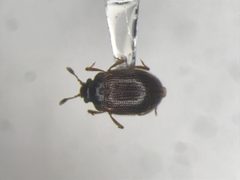
2- Eurysphindus comatulus(cryptic slime mold beetle)
- Eurysphindus hirtus
Eurysphindus is a of cryptic slime mold beetles in the Sphindidae, established by J.L. LeConte in 1878. The genus comprises eight described distributed primarily in the New World, with most species described or revised by McHugh in 1993. Species within this genus are small, inconspicuous beetles associated with myxomycete (slime mold) fruiting bodies. The genus was comprehensively revised by McHugh (1993), who described four new species and redescribed three others.
Pronunciation
How to pronounce Eurysphindus: /ˌjʊərɪˈsfɪndəs/
These audio files are automatically generated. While they are not always 100% accurate, they are a good starting point.
Identification
Eurysphindus can be distinguished from the related Genisphindus by characters of the pronotum and male genitalia; a key to was provided by McHugh (1993). Members of Eurysphindus typically possess broad, somewhat flattened bodies with that may have slightly enlarged clubs. The genus is characterized by specific modifications of the prosternal process and metaventral discrimen. Species-level identification requires examination of male genitalic structures and subtle differences in body proportions and coloration.
Images
Habitat
Associated with myxomycete (slime mold) fruiting bodies on decaying wood and forest floor litter. include moist, shaded woodland environments where slime molds develop on dead logs and stumps.
Distribution
New World distribution. recorded from North America (E. hirtus, E. comatulus, E. grandiclaviger, E. halli, E. infuscus), Brazil (E. brasiliensis), and Argentina (E. plaumanni). E. bicolor distribution not specified in available sources.
Diet
Feeds on myxomycete (slime mold) spores and associated material within fruiting bodies.
Host Associations
- Myxomycetes - food source and larvae develop within and feed upon fruiting bodies of slime molds
Behavior
Cryptic habit; are found concealed within sporangia of slime molds. The beetles are difficult to detect due to their small size and concealment within fruiting bodies.
Ecological Role
Specialized myxomycete-associated beetles that function as spore-feeders within decomposer . Part of the guild of organisms that exploit ephemeral slime mold fruiting bodies in forest .
Human Relevance
No direct economic or medical significance. Of interest to coleopterists and mycologists studying slime mold-associated fauna. Rarely encountered due to cryptic habits and dependence on ephemeral structures.
Similar Taxa
- GenisphindusClosely related within Sphindidae, distinguished by pronotal structure and male genitalia; E. laevicollis was transferred to Genisphindus by McHugh (1993)
- SphindusAnother sphindid with which Eurysphindus shares -level characters; differs in body form and antennal structure
More Details
Taxonomic history
The was revised by McHugh (1993) in Systematic Entomology, who described four new (E. comatulus, E. grandiclaviger, E. halli, E. infuscus) and redescribed E. brasiliensis, E. plaumanni, and E. hirtus. The revision included a cladistic analysis of sphindid relationships and a generic key to Sphindidae.