Sphindus
Dejean, 1821
cryptic slime mold beetles
Species Guides
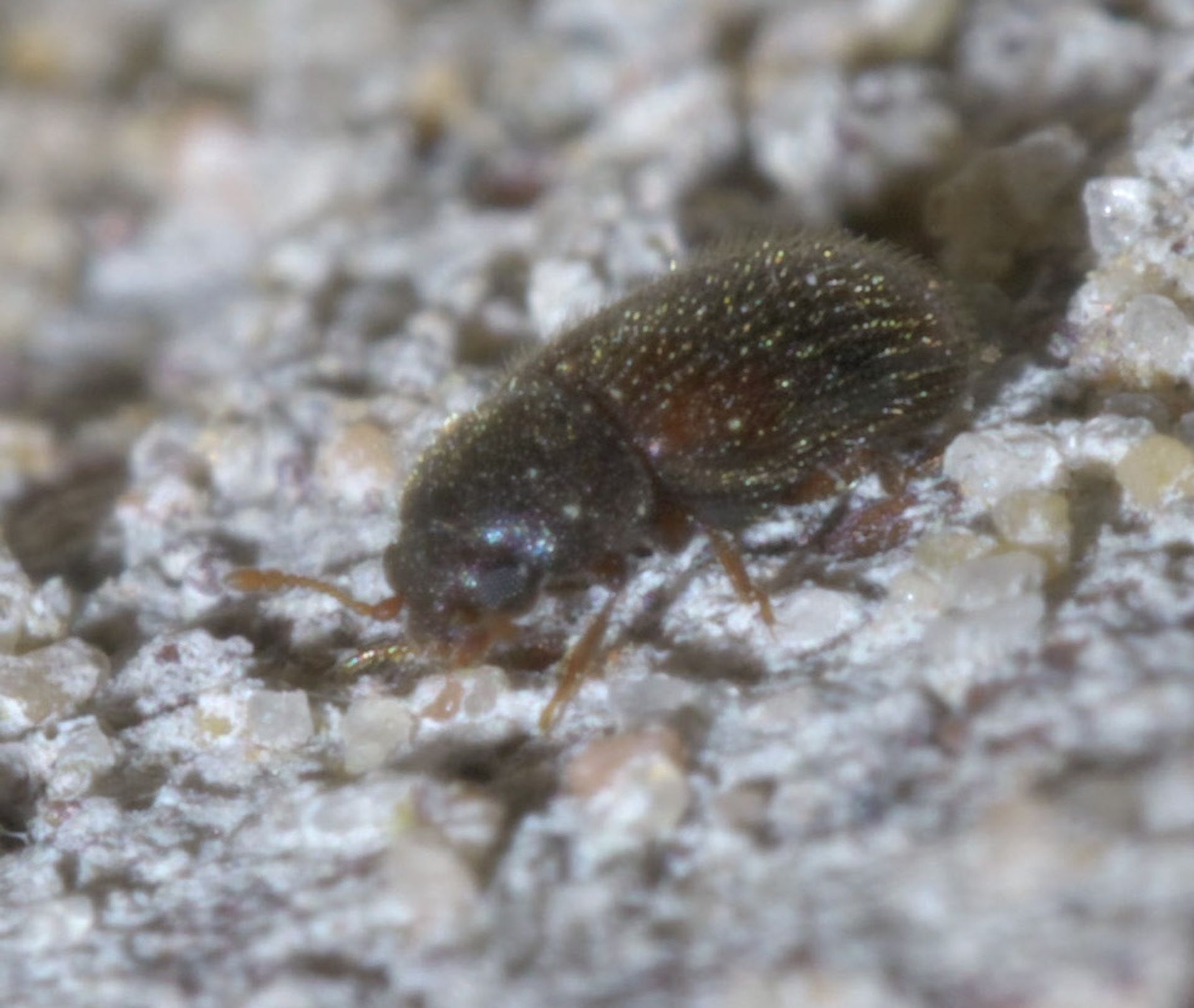
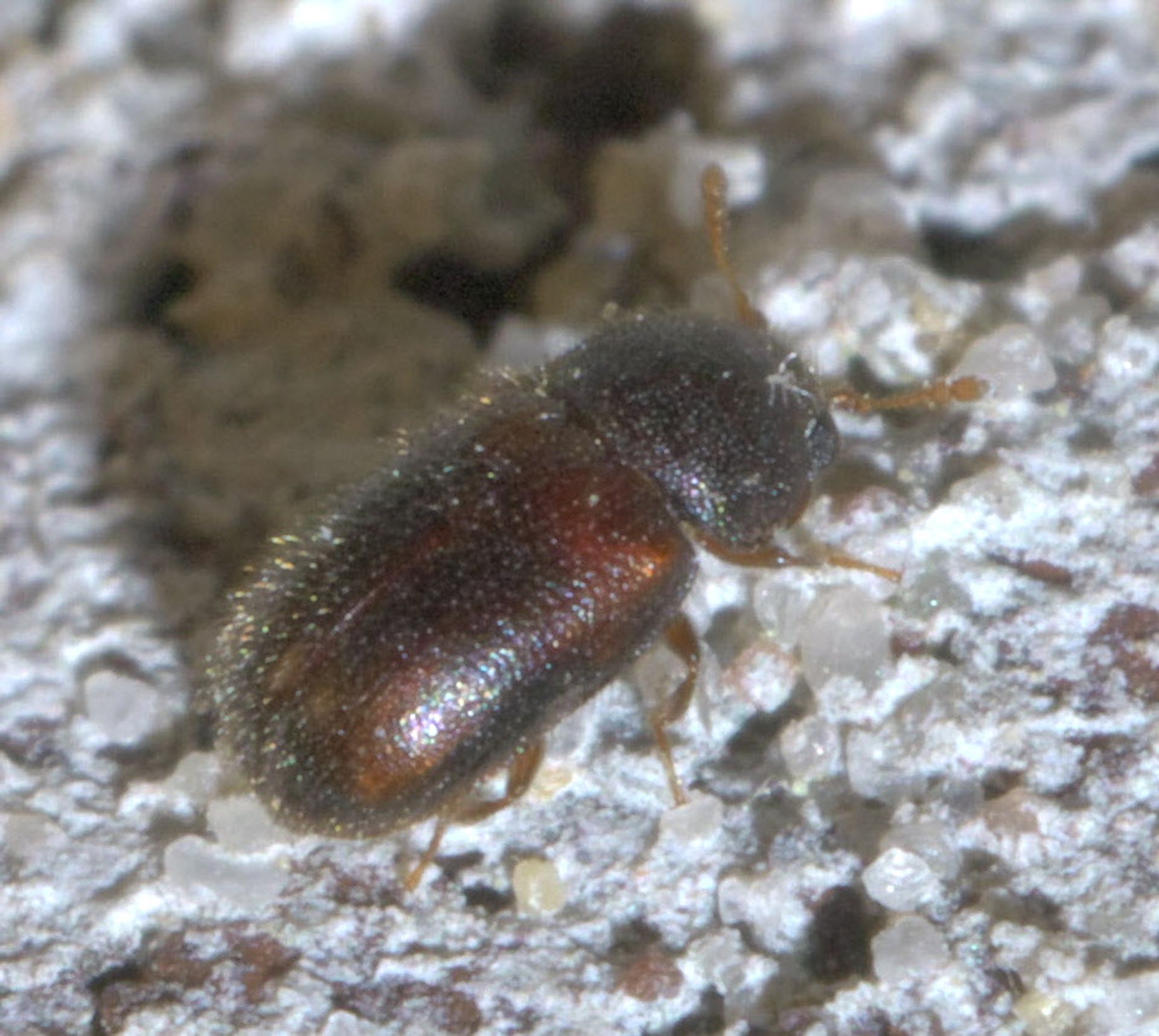
2Sphindus is a of small beetles in the Sphindidae, commonly known as cryptic slime mold beetles. The genus contains at least four described distributed across the Holarctic region. These beetles are specialized associates of slime molds (Myxomycetes), though specific ecological details remain poorly documented for most species.
Pronunciation
How to pronounce Sphindus: //ˈsfɪn.dəs//
These audio files are automatically generated. While they are not always 100% accurate, they are a good starting point.
Identification
Members of Sphindus can be distinguished from other sphindid by their compact, somewhat convex body form and antennal structure. The genus is characterized by a distinct antennal club with segments. Sphindus are generally larger and more robust than the related genus Aspidiphorus. Exact species-level identification requires examination of genitalic structures and subtle differences in body proportions.
Images
Distribution
The has been recorded from Europe (including Denmark, Norway, and Sweden), North America, and potentially other Holarctic regions. Distribution records are sparse and likely incomplete due to the cryptic habits and small size of these beetles.
Host Associations
- Myxomycetes - associateslime molds; specific relationships poorly documented
Similar Taxa
- AspidiphorusBoth belong to Sphindidae and share association with slime molds; Aspidiphorus are generally smaller and more flattened than Sphindus
More Details
Taxonomic history
The was established by Dejean in 1821. concepts within Sphindus have been revised multiple times, with some authors treating certain forms as or synonyms.
Research challenges
The cryptic lifestyle and small size of Sphindus beetles make them difficult to collect and study. Many aspects of their remain unknown, and the is considered understudied in most regions.