
Epuraeinae
Kirejtshuk, 1986
Genus Guides
1- Epuraea(sap beetles)
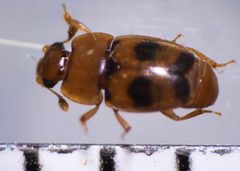
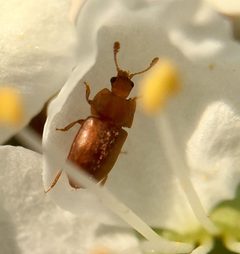
Epuraeinae is a of sap beetles (Nitidulidae) established by Kirejtshuk in 1986. Members are commonly known as sap beetles due to their association with fermenting plant materials. The subfamily includes with documented associations with cedar forests and oak woodlands in Mediterranean regions, as well as species breeding on fermenting fruits. The Epuraea contains multiple lineages with distinct specializations, including the Dadopora lineage associated with Cedrus spp.

Pronunciation
How to pronounce Epuraeinae: /ˌɛpjʊˈreɪɪniː/
These audio files are automatically generated. While they are not always 100% accurate, they are a good starting point.
Images
Habitat
Cedar (Cedrus spp.) forests; meso-xerophilous oak forests; fermenting overripe fruits. varies by lineage: the Dadopora lineage is primarily associated with cedar and oak forests, while other occupy fruit-based substrates.
Distribution
Circum-Mediterranean region for the Epuraea latipes group; broader distribution for including India (Kolkata area documented for Epuraea ocularis). Specific documented locations include southern Turkey (Taurus Chain, Nur Mountains, Osmaniye and Iskenderun provinces).
Host Associations
- Cedrus spp. - associationPrimary for Dadopora lineage, particularly the Epuraea latipes group
- meso-xerophilous oaks - associationDocumented for Epuraea subparallela
- fermenting overripe fruits - breeding substrateBreeding substrate for Epuraea ocularis; may not apply to all in
Life Cycle
For Epuraea ocularis: clusters hatch in 1–2 days; larvae pass through four instars over 12–17 days; mature larvae migrate to soil for ; emerge from pupae in 4–5 days. details for other Epuraeinae are not documented in available sources.
Behavior
Mature larvae of Epuraea ocularis migrate from fruit substrate to soil for . Mating pairs copulate in laboratory conditions.
More Details
Taxonomic note
Epuraeinae was established as a by Kirejtshuk in 1986. The Epuraea contains multiple lineages with distinct ecological specializations; the Dadopora lineage represents a circum-Mediterranean group with specific associations.
Research limitations
Most detailed biological information available pertains to single (Epuraea ocularis in India; Epuraea latipes group in Turkey). Generalization of traits to entire is not supported by current evidence.
Sources and further reading
- BugGuide
- iNaturalist taxon
- NCBI Taxonomy
- Catalogue of Life
- Life History of Epuraea (Haptoncus) ocularis Fairmaire, 1849 in Kolkata area, India and descriptions of the immature stages (Coleoptera: Nitidulidae: Epuraeinae)
- Review of the cedar and oak forest-associated <i>Epuraea latipes</i> species group (Coleoptera: Nitidulidae, Epuraeinae), with description of a new species from southern Turkey