
Cryptarchinae
C.G. Thomson, 1859
Genus Guides
3- Cryptarcha
- Glischrochilus(picnic beetles)
- Pityophagus
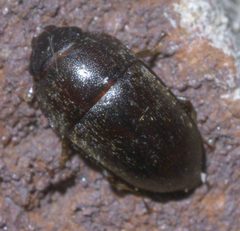
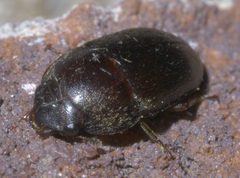
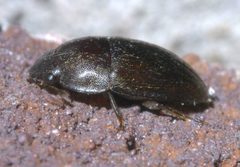
Cryptarchinae is a of sap-feeding beetles within the Nitidulidae. The subfamily contains at least 3 —Cryptarcha, Glischrochilus, and Pityophagus—and approximately 17 described . Members are associated with subcortical and sap flows on trees, particularly conifers. The genus Glischrochilus has been the subject of recent taxonomic revision revealing cryptic in northern Europe.
Pronunciation
How to pronounce Cryptarchinae: //krɪptˈɑrkɪni//
These audio files are automatically generated. While they are not always 100% accurate, they are a good starting point.
Identification
Identification to level requires examination of morphological characters including antennal club structure, elytral punctation patterns, and prosternal process shape. Members of Cryptarchinae can be distinguished from other Nitidulidae subfamilies by a combination of these features, though precise diagnostic characters vary by . Glischrochilus are among the largest European nitidulids and may display aposematic coloration.
Images
Habitat
Saproxylic , primarily subcortical environments of trees. have been documented in association with coniferous trees, old hollow aspens (Populus tremula), and other woody substrates with sap flows or fermentation.
Distribution
Holarctic distribution with documented records from Europe, Siberia, and North America. Specific distribution varies by and ; Glischrochilus quadripunctatus is widely distributed across Europe and Siberia.
Diet
Sap-feeding; and larvae feed on fermenting sap, exudates from wounded trees, and associated microbial growth. Some may utilize fungal material in subcortical .
Host Associations
- Coniferous trees - Subcortical , particularly for Glischrochilus quadripunctatus
- Populus tremula (aspen) - Old hollow aspens in xerothermic areas; specifically documented for Glischrochilus tremulae
Life Cycle
Complete with , larval, pupal, and stages. Larvae develop in subcortical and sap flows. Specific developmental details vary by and remain incompletely documented for many .
Behavior
have been observed at sap flows and wounded tree bark. Some Glischrochilus exhibit aposematic coloration, though the extent of this across the is not fully characterized.
Ecological Role
Saproxylic decomposers contributing to nutrient cycling in forest . Associated with early stages of wood decay and sap fermentation. May serve as prey for other forest arthropods.
Human Relevance
Generally of minor direct economic importance. Some may be indicators of old-growth forest conditions and saproxylic quality. Glischrochilus hortensis has been noted as a potential pest in stored products contexts.
Similar Taxa
- NitidulinaeAnother of Nitidulidae; distinguished by antennal structure and preferences, with Nitidulinae more commonly associated with flowers and fruits
- CarpophilinaeSimilar sap-feeding nitidulids; separation requires detailed examination of mouthpart and genitalic characters
More Details
Taxonomic history
The was established by C.G. Thomson in 1859. Recent molecular and morphological work has revealed cryptic within Glischrochilus, with G. tremulae described as new from Finland in 2017 based on COI barcode divergence and ecological differentiation from G. quadripunctatus.
Conservation relevance
Some Cryptarchinae , particularly those associated with old hollow trees, may have inherent conservation value as indicators of intact saproxylic . Glischrochilus tremulae is associated with old aspen stands in xerothermic areas and represents a relictual of potential conservation concern.