
Caenoscelini
Casey, 1900
Genus Guides
2- Caenoscelis
- Renodesta(silken fungus beetles)
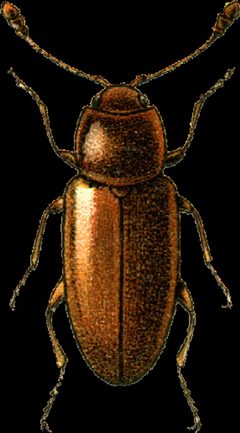
Caenoscelini is a tribe of small beetles within the Cryptophagidae, commonly known as silken fungus beetles. The tribe was established by Casey in 1900 and contains characterized by particular morphological features of the and body form. Members of this tribe are associated with fungal , though specific ecological details remain poorly documented. The tribe is part of the Cryptophaginae and is distinguished from related tribes primarily by structural characteristics of the beetles.
Pronunciation
How to pronounce Caenoscelini: /kae.noʊˈskɛl.ɪ.naɪ/
These audio files are automatically generated. While they are not always 100% accurate, they are a good starting point.
Identification
Caenoscelini can be distinguished from other tribes in Cryptophaginae by antennal structure, particularly the form of the antennal club and the number and arrangement of antennomeres. The tribe includes with compact body forms and relatively short compared to some related groups. Exact diagnostic features require examination of minute morphological characters and reference to taxonomic revisions.
Images
Distribution
Records of Caenoscelini are primarily from North America, with observations and collection data spanning temperate regions of the United States and Canada. The tribe's distribution appears to be Nearctic, though comprehensive surveys are lacking.
Similar Taxa
- CryptophaginiAnother tribe in Cryptophaginae; distinguished from Caenoscelini by antennal club structure and body proportions, though precise separation requires expert examination.
- AtomariiniTribe in Cryptophaginae with generally smaller body size and different antennal ; often found in similar fungal .
More Details
Taxonomic status
The tribal classification within Cryptophaginae has undergone revision, and the limits of Caenoscelini have been adjusted in various treatments. Modern phylogenetic studies may further refine the composition of this tribe.
Observation data
As of current records, iNaturalist documents 51 observations attributed to Caenoscelini, indicating limited but existent citizen science documentation of this obscure group.