
Cryptophagini
W. Kirby, 1826
silken fungus beetles
Genus Guides
9- Antherophagus(silken fungus beetles)
- Cryptophagus(silken fungus beetles)
- Henoticus
- Henotiderus(silken fungus beetles)
- Myrmedophila
- Omissophagus
- Pteryngium(silken fungus beetles)
- Salebius
- Telmatophilus
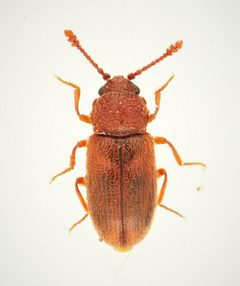
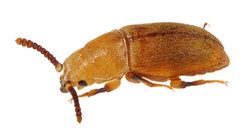
Cryptophagini is a tribe of silken fungus beetles comprising approximately 8 and at least 60 described . Members are small beetles associated with fungal substrates. The tribe was established by W. Kirby in 1826 and includes economically relevant genera such as Cryptophagus and Telmatophilus.

Pronunciation
How to pronounce Cryptophagini: /ˌkrɪptoʊˈfædʒɪniː/
These audio files are automatically generated. While they are not always 100% accurate, they are a good starting point.
Identification
Distinguished from other Cryptophagidae tribes by combinations of antennal structure, tarsal formula, and male genitalia characteristics. within Cryptophagini may be separated by pronotal shape, elytral punctuation patterns, and presence or absence of specific setal tufts. Definitive identification to genus level often requires examination of microscopic features including .
Images
Habitat
Primarily associated with fungal substrates including molds, mildews, and fruiting bodies of basidiomycete and ascomycete fungi. Many inhabit decaying plant material, stored food products, and damp indoor environments where fungal growth occurs.
Distribution
distribution with representatives on all continents except Antarctica. Individual show varying geographic ranges; Cryptophagus is widespread in the Holarctic, while Telmatophilus has been documented across Europe, Asia, and North America.
Diet
Mycophagous; and larvae feed on fungal , spores, and fruiting bodies. Some have been documented feeding on specific fungal associates in social insect nests.
Host Associations
- Fungi - primary food sourceBasidiomycete and ascomycete molds and mildews
Life Cycle
Complete with , larval, pupal, and stages. Larvae are typically active feeders on fungal substrates. Developmental timing varies by and environmental conditions; multiple per year possible in favorable indoor environments.
Behavior
Many exhibit strong association with social insect colonies, particularly ants and . Myrmedophila and some Cryptophagus species are known myrmecophiles, living within nests where they feed on fungal gardens or nest detritus. of several display rapid, erratic movement when disturbed.
Ecological Role
Decomposers contributing to nutrient cycling through consumption of fungal . Some serve as indicators of damp conditions and fungal . Myrmecophilous members participate in complex commensal relationships within social insect colonies.
Human Relevance
Some are pests of stored products, particularly dried foods, grains, and spices where they feed on surface molds. Cryptophagus species have been documented in food storage and processing facilities. Certain are used as for moisture and fungal problems in buildings.
Similar Taxa
- AtomariiniAlso within Cryptophagidae but distinguished by different antennal club structure and generally smaller body size; Atomariini lack the pronounced setal tufts present in many Cryptophagini
- CaenosceliniAnother Cryptophagidae tribe separated by tarsal formula and pronotal margin structure; Caenoscelini typically have more elongate body forms
More Details
Myrmecophily
Multiple (Myrmedophila, some Cryptophagus) exhibit specialized adaptations for life within colonies, including chemical mimicry and reduced defensive structures. These relationships are obligate for some and facultative for others.
Taxonomic History
The tribal classification of Cryptophagidae has undergone revision; some authors have historically treated Cryptophagini more broadly or narrowly. Current circumscription follows recent phylogenetic treatments recognizing 8 core .