
Atomariinae
J.L. LeConte, 1861
silken fungus beetles
Tribe Guides
2Atomariinae is a of small beetles within the Cryptophagidae, commonly known as silken fungus beetles. The group comprises approximately 8 and more than 170 described , including the well-known genus Atomaria. Members are generally associated with fungal . The subfamily was established by J.L. LeConte in 1861.
Pronunciation
How to pronounce Atomariinae: /ˌætoʊˈmɛəriːniː/
These audio files are automatically generated. While they are not always 100% accurate, they are a good starting point.
Identification
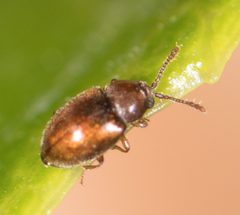
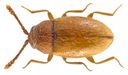
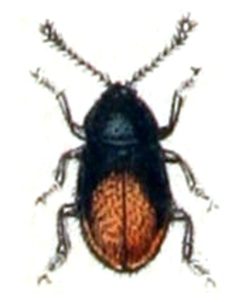
Atomariinae can be distinguished from other Cryptophagidae by genitalic characters, particularly the structure of the male and female spermatheca. Members are typically small (1-3 mm), oval to elongate-oval beetles with relatively short . The subfamily includes the Atomaria, which is one of the largest genera in Cryptophagidae and can be recognized by its compact body form and distinctive antennal club.
Images
Habitat
in this are found in where fungi occur, including decaying plant matter, leaf litter, under bark, and in association with moldy stored products. Some species inhabit bird and mammal nests.
Distribution
The has a worldwide distribution, with recorded across North America, Europe, Asia, and other regions. Individual show varying geographic ranges.
Diet
Feeding habits center on fungal material, including , spores, and fruiting bodies. Some have been reported from moldy stored food products.
Ecological Role
As mycophagous organisms, members of Atomariinae contribute to nutrient cycling by consuming and breaking down fungal . They form part of the of small inhabiting decaying organic matter.
Human Relevance
Some occasionally become pests in stored food facilities, particularly where products have become moldy. The Atomaria includes species of minor economic significance in this context.
Similar Taxa
- CryptophaginaeAnother of Cryptophagidae; distinguished from Atomariinae by differences in genitalic and often by subtle external characters such as antennal structure and body proportions
- CaenosceliniTribe within Cryptophagidae; differs from Atomariinae in male genitalic characters and preferences, with many associated with coniferous forests
More Details
Taxonomic History
The was established by J.L. LeConte in 1861. The classification of within Atomariinae has been refined through phylogenetic studies, with the current eight genera representing a relatively stable arrangement.