
Metophthalmus septemstriatus
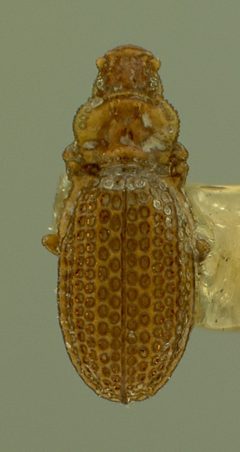
Metophthalmus septemstriatus is a minute beetle in the Latridiidae, commonly known as plaster beetles or minute brown scavenger beetles. The Metophthalmus contains small, inconspicuous associated with damp, moldy environments. The specific epithet 'septemstriatus' refers to seven stripes, likely describing elytral patterning. Like other latridiids, this species is presumed to feed on fungal spores and , though direct observations are limited.
Pronunciation
How to pronounce Metophthalmus septemstriatus: /mɛˈtɒfθælməs ˌsɛptɛmˈstraɪətəs/
These audio files are automatically generated. While they are not always 100% accurate, they are a good starting point.
Identification
Distinguished from other Metophthalmus by the presence of seven distinct longitudinal elytral stripes (when visible). Separation from other small brown beetles in damp requires examination of antennal structure (distinctly clubbed in Latridiidae) and detailed elytral . Microscopic examination of male genitalia may be necessary for definitive identification within the .
Images
Appearance
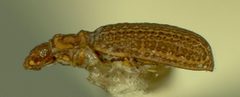
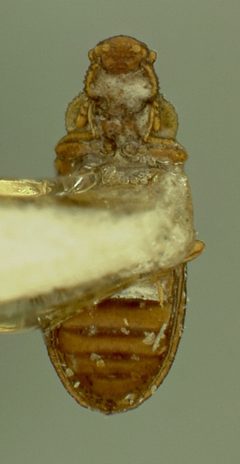
Small , approximately 1–2 mm in length. Body elongate-oval and somewhat flattened. with distinct club. The name suggests seven longitudinal stripes on the , though this may vary in visibility. Coloration generally brown to dark brown. Pronotum and elytra with fine punctation.
Habitat
Damp, moldy environments including decaying vegetation, leaf litter, and human structures with moisture damage. Associated with fungal growth on wet plaster, wallpaper, and stored products with high humidity.
Distribution
Distribution records are sparse. The Metophthalmus has broad distribution in temperate and tropical regions; specific records for M. septemstriatus require verification. Likely underreported due to small size and specialized .
Seasonality
Activity likely corresponds to periods of high humidity and fungal growth. In temperate regions, more common in spring and autumn when moisture conditions are favorable. Year-round presence possible in consistently damp indoor environments.
Diet
Feeds on fungal spores and . This dietary specialization is characteristic of the Latridiidae, though direct feeding observations for this are not documented.
Life Cycle
Development includes , larva, pupa, and stages. Larvae are small, pale, and inhabit the same moldy substrates as adults. Detailed data for this are not available; presumably similar to other latridiids with rapid development in favorable moist conditions.
Behavior
Cryptic habits in concealed, damp microhabitats. may be attracted to light or found in pitfall traps in suitable . Capable of rapid increase when fungal resources are abundant.
Ecological Role
Decomposer; contributes to nutrient cycling by consuming fungal in damp decaying organic matter. May serve as prey for small in litter .
Human Relevance
Occasional nuisance pest in buildings with moisture problems, particularly new construction with wet plaster or water-damaged structures. Presence indicates excessive humidity and potential mold growth requiring remediation. Not known to cause structural damage or health impacts directly.
Similar Taxa
- Other Metophthalmus speciesRequire examination of elytral stripe number and pattern; some have fewer or more stripes, or lack distinct striping.
- Cartodere species (Latridiidae)Similar minute size and ; distinguished by antennal club structure and elytral punctation patterns.
- Cryptophagidae (silken fungus beetles)Overlap in and diet; distinguished by antennal insertion visible from above and different body shape.
More Details
Taxonomic Note
Metophthalmus is a large with many distinguished by subtle characters. The specific epithet 'septemstriatus' (Latin: seven-striped) is descriptive but may not be consistently visible in all specimens or . Original description and type locality would require consultation of primary literature.