
Glyptoscelis
Chevrolat, 1836
Species Guides
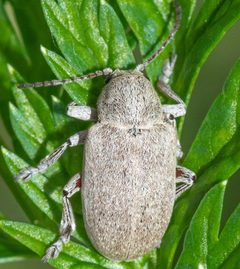
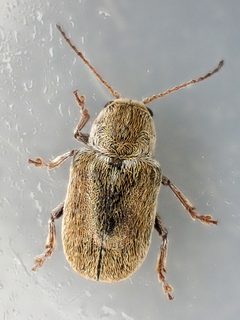
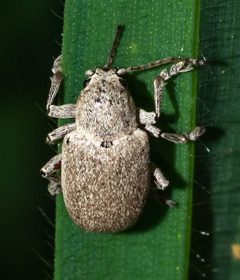
10Glyptoscelis is a of leaf beetles in the Eumolpinae, tribe Eumolpini. The genus contains 38 described distributed across North, Central, and South America. One species, Glyptoscelis squamulata, is a documented agricultural pest of grape vines in southern California. The genus was historically classified in tribe Adoxini but has been reassigned to Eumolpini based on current .
Pronunciation
How to pronounce Glyptoscelis: //ɡlɪpˈtɒs.sɪ.lɪs//
These audio files are automatically generated. While they are not always 100% accurate, they are a good starting point.
Identification
Members of Glyptoscelis can be distinguished from other Eumolpinae by tribal placement in Eumolpini (formerly Adoxini). The genus is distinguished from superficially similar leaf beetle genera by specific morphological characters used in Blake's 1967 revision, though detailed diagnostic features are not provided in available sources. -level identification requires examination of specific morphological characters described in taxonomic revisions.
Images
Habitat
vary by . Glyptoscelis squamulata occupies vineyard and surrounding soils in southern California, where overwinter in soil and feed on grape buds. Other species occur in diverse environments across the Americas, including regions in Colombia (Arauca, Meta departments), though specific habitat associations for most species remain undocumented.
Distribution
North, Central, and South America. Documented occurrences include the United States (southern California), Colombia (Arauca, Meta), and broader ranges across the Americas. Three West Indian (G. brevicornis, G. fusca, G. hobsoni) are considered misplaced in this . A single species described from Hunan, China in 2021 requires taxonomic verification.
Seasonality
For G. squamulata: emerge from soil in February-March, feed for 2-3 weeks, then return to soil until the following spring. Seasonality for other is undocumented.
Diet
G. squamulata feed on swelling grape buds (Vitis spp.) for 2-3 weeks after spring . Dietary habits for other Glyptoscelis are unknown.
Host Associations
- Vitis spp. - food sourceG. squamulata only; swelling grape buds in spring
Life Cycle
G. squamulata: with one per year. emerge from soil , feed, then re-enter soil for extended diapause lasting approximately 9-10 months. No mating or oviposition occurs during the feeding period; timing of is undocumented. Larval development and -laying have not been characterized. details for other are unknown.
Behavior
G. squamulata exhibits extended in soil, with synchronized spring . Adults feed immediately after emergence without reproductive activity, then return to soil. This separation of feeding and is unusual among chrysomelids. Behavioral information for other is unavailable.
Ecological Role
G. squamulata functions as an agricultural pest in vineyard , causing economic damage to grape production by destroying primary buds. Ecological roles for other are unstudied.
Human Relevance
G. squamulata is an economic pest of table grapes in southern California, with documented yield reduction from bud damage. Control methods include applications and practices. No other in the have documented human relevance.
Similar Taxa
More Details
Taxonomic History
The was historically placed in tribe Adoxini but is now classified in Eumolpini based on BugGuide and ITIS records. This reassignment reflects ongoing refinement of chrysomelid tribal boundaries.
Research Gaps
Most Glyptoscelis lack published biological data. Available information is heavily skewed toward G. squamulata due to its agricultural importance. Basic , associations, and morphological diagnostics remain unknown for the majority of species.