
Donacia cincticornis
Newman, 1838
Girdle-horned Pond Lily Leaf Beetle
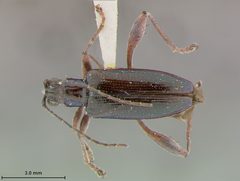
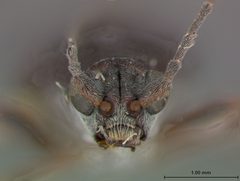
Donacia cincticornis is a of aquatic leaf beetle in the Donaciinae, characterized by its association with aquatic vegetation. The species is known from the Caribbean, Central America, and North America. Three have been described: D. c. cincticornis, D. c. tenuis, and D. c. tryphera. Like other members of the Donacia, it is closely tied to freshwater .

Pronunciation
How to pronounce Donacia cincticornis: /dɒˈneɪʃə ˌsɪŋktɪˈkɔrnɪs/
These audio files are automatically generated. While they are not always 100% accurate, they are a good starting point.
Identification
Members of the Donacia are distinguished from other Chrysomelidae by their aquatic or semi-aquatic lifestyle and association with aquatic plants. D. cincticornis can be differentiated from other Donacia by antennal and pronotal characteristics, though specific diagnostic features for this species require examination of type material. The are distinguished by minor variations in body proportions and antennal structure.
Images
Habitat
Freshwater aquatic environments, including ponds, lakes, and slow-moving streams. Associated with aquatic vegetation, particularly water lilies and other floating or emergent macrophytes.
Distribution
Caribbean Sea region, Central America, and North America. Records span from southern United States through Mexico and Central America to Caribbean islands.
Diet
Larvae and feed on aquatic plants. Larvae are root-feeders on aquatic vegetation, while adults feed on leaves and stems of plants.
Host Associations
- Nymphaea - herbivorewater lilies; larval root-feeding and leaf-feeding
- Nuphar - herbivorespatterdock; likely based on -level association
Life Cycle
are laid on aquatic vegetation or inserted into plant tissue. Larvae are aquatic, feeding on roots of plants, and possess tracheal gills for respiration. occurs in an air-filled cocoon attached to host plant roots below water surface. emerge and feed on aerial portions of host plants.
Behavior
are capable swimmers and divers, using their modified hind legs. They are active during daylight hours and can be found on floating leaves. When disturbed, adults drop into water and swim to submerged vegetation or the bottom. Larvae remain submerged, feeding on root tissues.
Ecological Role
Herbivore in freshwater , contributing to nutrient cycling through consumption and processing of aquatic macrophytes. Serves as prey for aquatic including fish and aquatic insects.
Human Relevance
Minor significance as a potential pest of ornamental water lilies in garden ponds, though rarely reaching damaging . Of interest to collectors and researchers studying aquatic diversity.
Similar Taxa
- Donacia aquaticaSimilar and use; distinguished by antennal and geographic distribution (primarily Palearctic)
- Donacia versicoloreaOverlapping range in North America; distinguished by coloration and male genitalia
- Donacia piscatrixSimilar size and aquatic habit; distinguished by pronotal shape and elytral punctation
More Details
Subspecies
Three recognized: Donacia cincticornis cincticornis (nominate), D. c. tenuis Schaeffer, and D. c. tryphera Schaeffer. The subspecies differ in body proportions and antennal segment ratios, with tenuis and tryphera described from more restricted geographic ranges.
Taxonomic History
Originally described by Newman in 1838. The were described by Schaeffer in the early 20th century based on material from the southern United States and Mexico.