Glyphuroplata
Uhmann, 1937
Species Guides
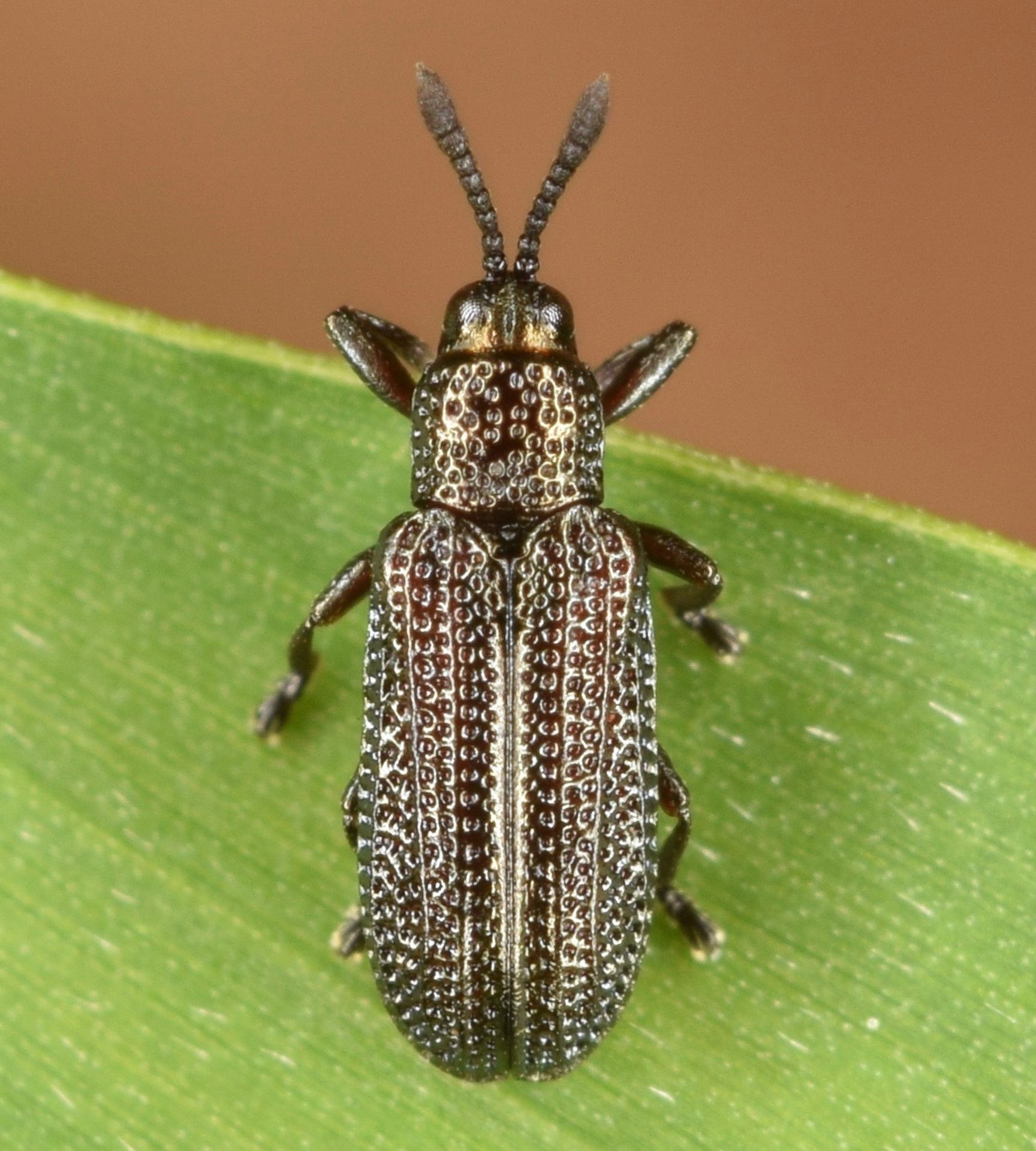
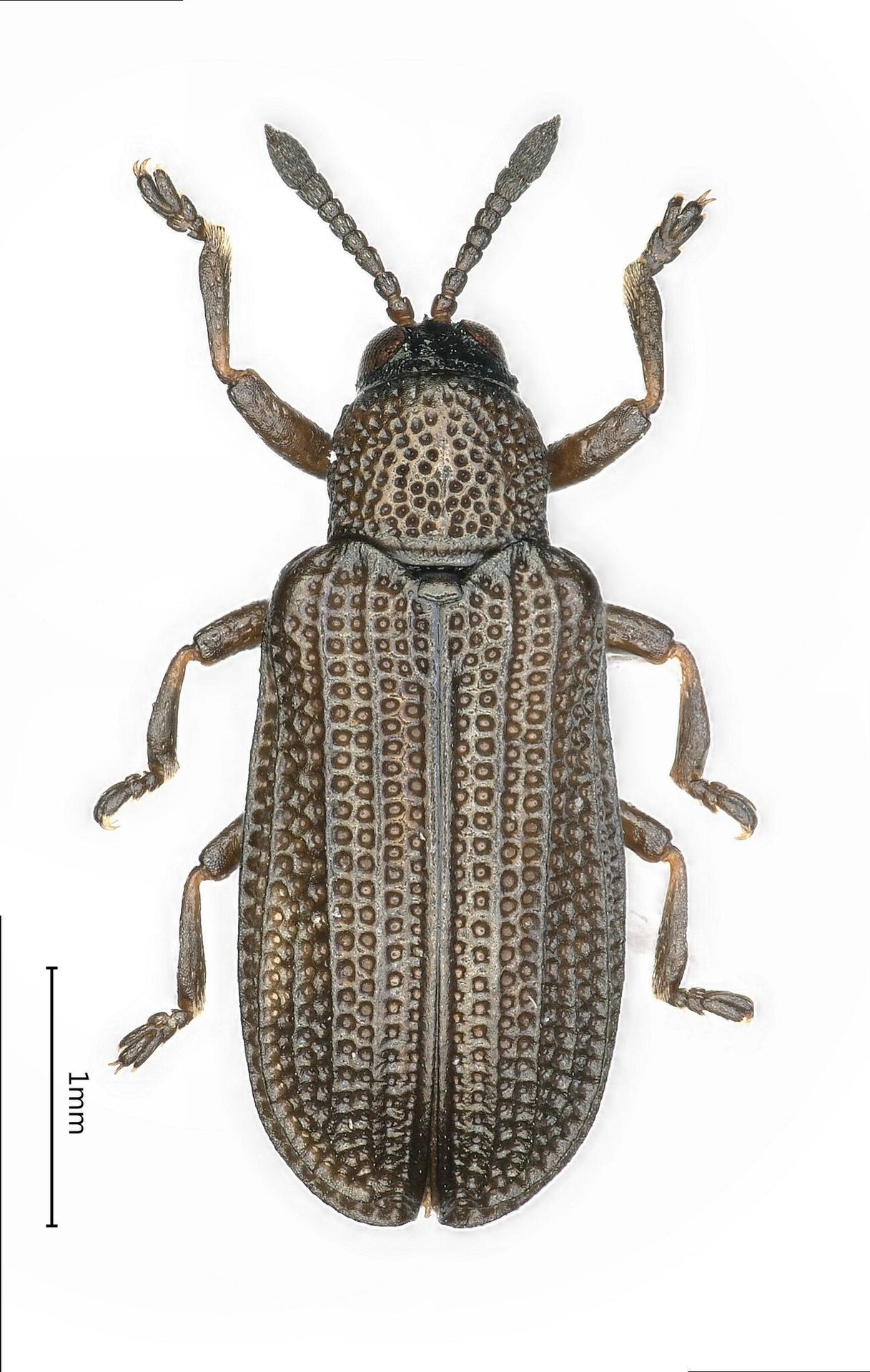
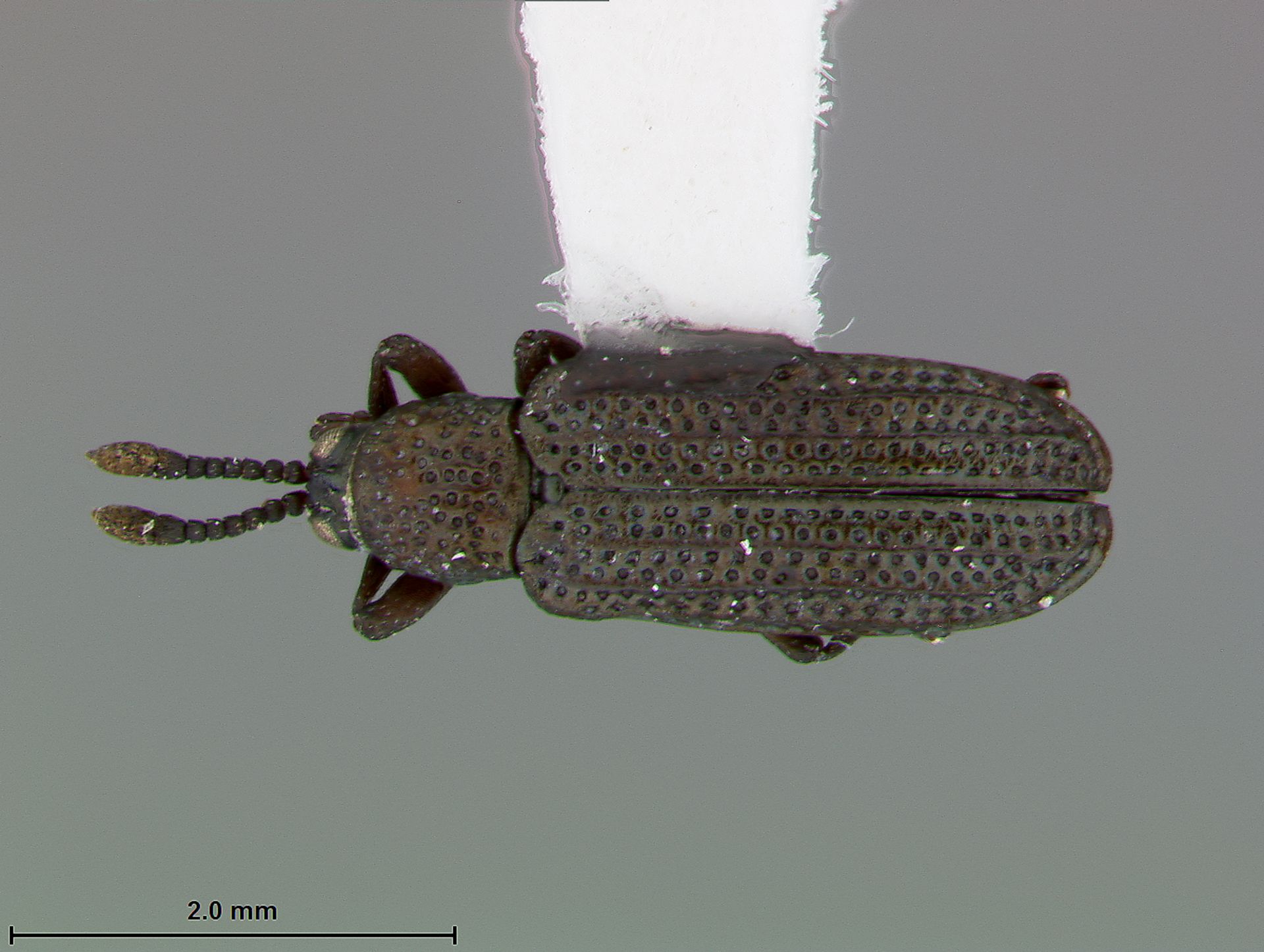
4Glyphuroplata is a of tortoise beetles and hispines in the Chrysomelidae, established by Uhmann in 1937. The genus comprises at least four described distributed in the New World. Members belong to the tribe Chalepini within the Cassidinae, a group characterized by modified body forms and often enlarged pronota that extend over the . The genus has been documented in 72 iNaturalist observations, indicating moderate field recognition.
Pronunciation
How to pronounce Glyphuroplata: /ɡ̟laɪ.fʊroʊˈplɑːtə/
These audio files are automatically generated. While they are not always 100% accurate, they are a good starting point.
Identification
Glyphuroplata can be distinguished from other Chalepini by characters of the elytral and pronotal structure. The name refers to grooved (from Greek glypho- "carved" and -uro "tail"), suggesting sculpturing. Species-level identification requires examination of male genitalia and elytral punctation patterns: G. uniformis is notably uniform in coloration, while G. nigella and G. pluto exhibit darker markings. G. anisostenoides was described based on structural differences in the prosternal process and elytral intervals.
Images
Distribution
The occurs in the New World tropics and subtropics. Glyphuroplata pluto is known from Central America and northern South America. Glyphuroplata uniformis and G. nigella have been recorded from the southern United States through Mexico. Glyphuroplata anisostenoides was described from Central American material. Precise range limits for most remain poorly documented.
Similar Taxa
- ChalepusBoth belong to tribe Chalepini and share hispine body form with expanded pronotum; Chalepus generally have more strongly developed elytral and different antennal club structure.
- AnisostenaSimilar in size and general appearance; Anisostena typically have more rounded body outlines and reduced elytral striation, and the name of G. anisostenoides directly references this similarity.
More Details
Nomenclatural note
The was established by Uhmann in 1937, with Glyphuroplata pluto (Newman, 1841) as the type . The specific epithet "pluto" was originally described in the genus Cassida by Newman.
Taxonomic placement
Glyphuroplata is placed in the tribe Chalepini, which includes hispines with expanded pronota that partially or completely cover the . This tribe is within the Cassidinae, which also contains the true tortoise beetles (Cassidini) with fully expanded, shield-like pronota and .