
Chalepus
Thunberg, 1805
tortoise beetles, hispines
Species Guides
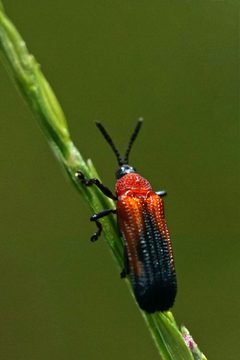
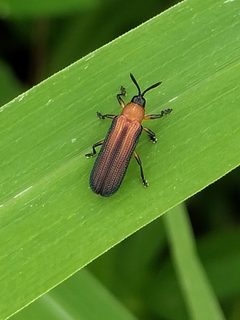
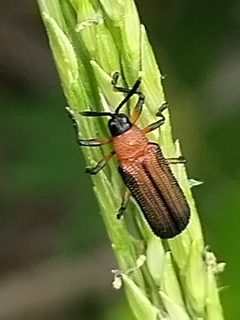
4Chalepus is a of tortoise beetles and hispines in the Chrysomelidae, established by Thunberg in 1805. The genus contains more than 90 described distributed primarily in the Americas, from North America through Central America to South America. Members of this genus are associated with the Cassidinae, which includes beetles known for their often flattened or expanded body forms and association with leaf-feeding habits.
Pronunciation
How to pronounce Chalepus: //ˈka.le.pus//
These audio files are automatically generated. While they are not always 100% accurate, they are a good starting point.
Identification
Chalepus are distinguished from other Cassidinae by characters of the chalepine tribe, including features of the , tibiae, and body shape. The genus is placed in the tribe Chalepini, which is characterized by spiny or tuberculate body surfaces and modified elytral margins in many species. Species-level identification requires examination of genitalic characters and detailed morphological features not visible in field observations.
Images
Distribution
The is distributed across the Americas, with records from the United States (including Vermont and Colorado), Mexico, Ecuador, Bolivia, and other Neotropical regions. The fossil Chalepus americanus has been described from Colorado, indicating a long presence in North America.
Similar Taxa
- Other Cassidinae generaChalepus is distinguished from other tortoise beetle by tribal characters of Chalepini, including spiny body armature and antennal structure, whereas related genera such as those in the tribe Cassidini often have more rounded, shield-like body forms.
More Details
Taxonomic history
The was established by Carl Peter Thunberg in 1805. Several have been moved to other genera or synonymized over time, including Chalepus aeneiceps, Chalepus dorsalis, and Chalepus lineatus among selected former species. Three species remain of uncertain placement (incertae sedis): C. atricornis, C. circumcinctus, and C. ventralis.
Fossil record
Chalepus americanus, originally described as Odontota americanus by Wickham in 1914 from Colorado, represents a fossil occurrence of this , indicating its presence in North America extends back to at least the early Miocene or late Oligocene.