Microctenochira
Spaeth, 1926
Species Guides
1- Microctenochira bonvouloiri(Alamo Vine Tortoise Beetle)
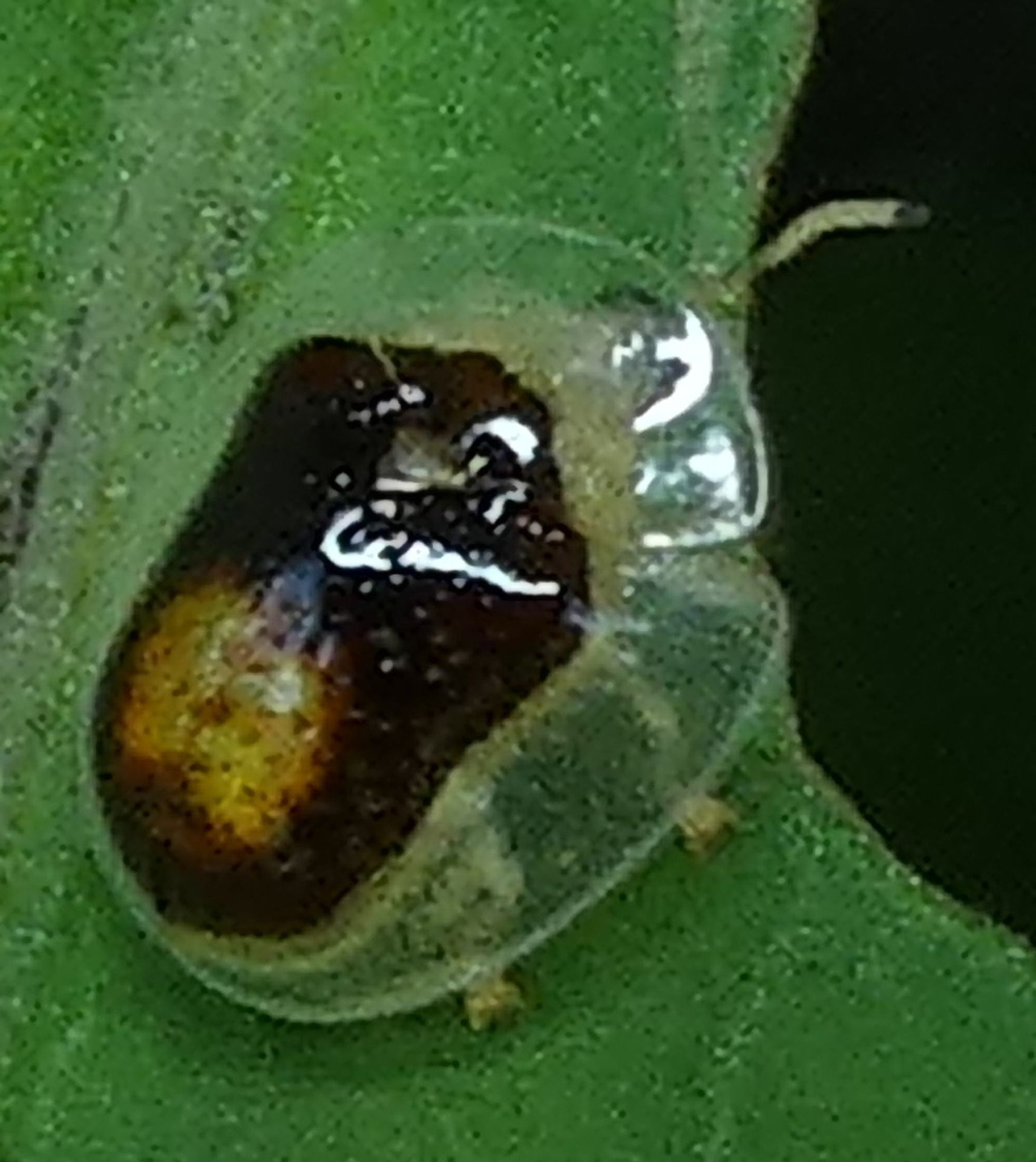
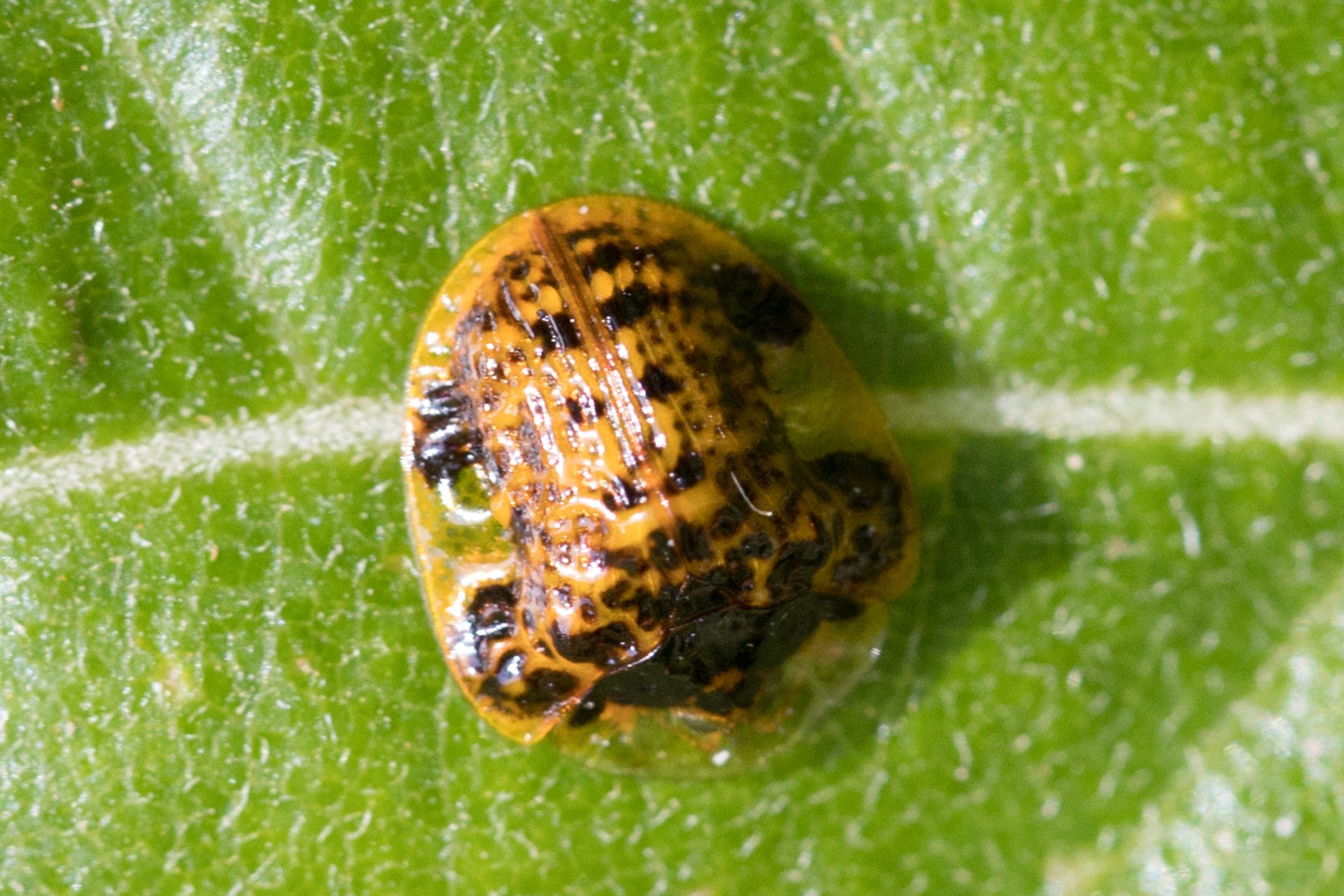
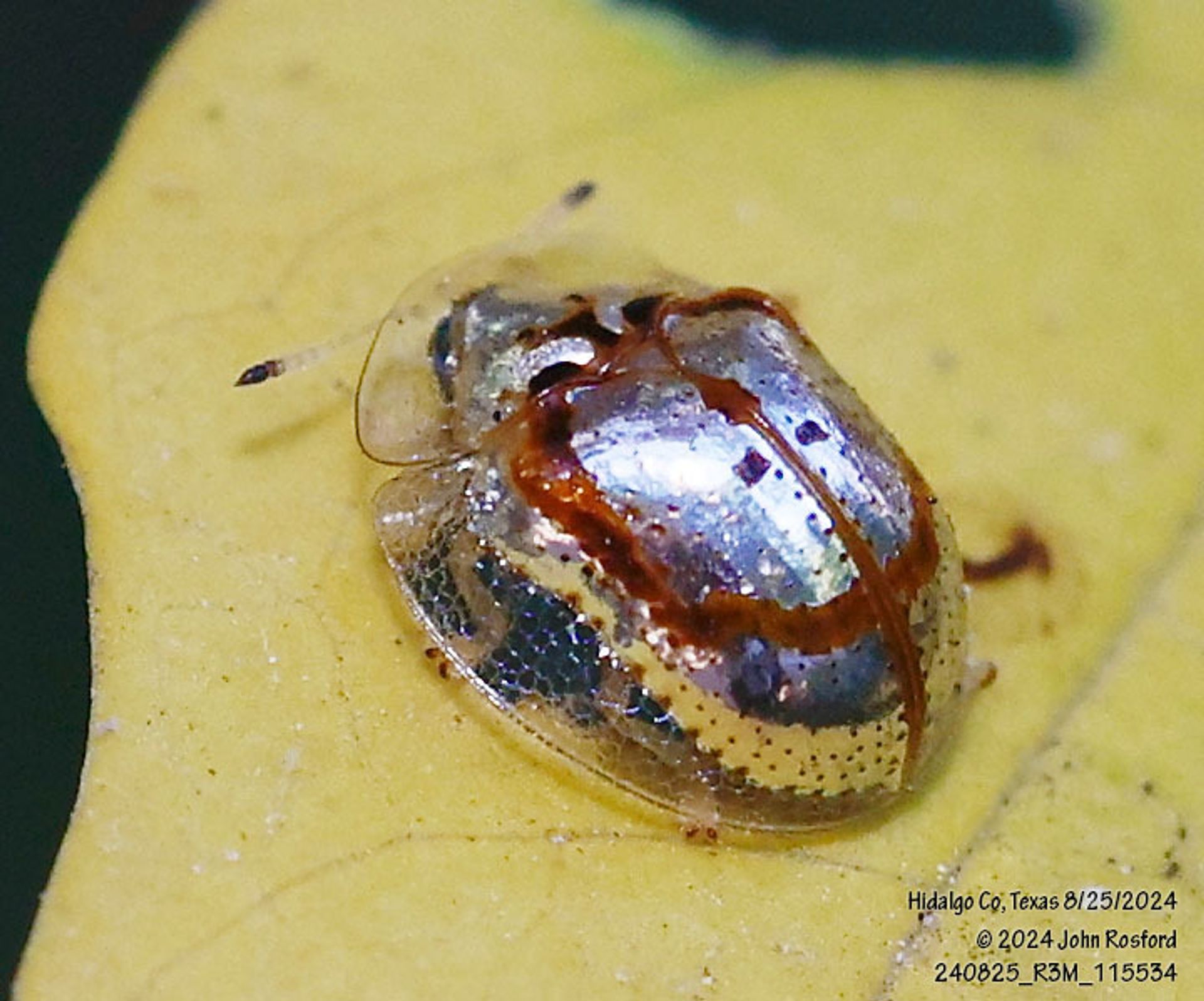
Microctenochira is a of tortoise beetles in the Chrysomelidae, containing at least 110 described . Members of this genus exhibit the characteristic domed of tortoise beetles, with some species possessing translucent with opaque patterns. The genus occurs in the New World tropics, with documented observations from Rica and other Central American regions. Larvae of at least some species construct protective structures from shed and fecal material.
Pronunciation
How to pronounce Microctenochira: //ˌmaɪkroʊktɛˈnɒkɪrə//
These audio files are automatically generated. While they are not always 100% accurate, they are a good starting point.
Images
Distribution
New World tropics; documented from Rica, Panama, Nicaragua, and Peru.
Life Cycle
Larvae of at least one , Microctenochira sertata, construct protective umbrellas composed of (shed skins); some species add fecal material to these structures. The larva carries this structure throughout its instars and can adjust its position to .
Behavior
Larvae construct and carry protective umbrellas made of and/or ; the umbrella may function in camouflage and deterrence through chemical compounds.
Similar Taxa
- AcromisBoth are tortoise beetle with maternal care in Acromis, distinguishing it from Microctenochira where such has not been documented.
- PlagiometrionaBoth possess translucent with opaque patterns; Plagiometriona clavata has a gingerbread-man-like pattern and occurs in eastern and southern United States, overlapping with some Microctenochira distribution.
- EurypeplaBoth exhibit color-changing abilities through fluid movement in the ; Eurypepla calochroma is known for rapid color shifts from silvery-green to brown.