
Coptocycla
Chevrolat in Dejean, 1836
Species Guides
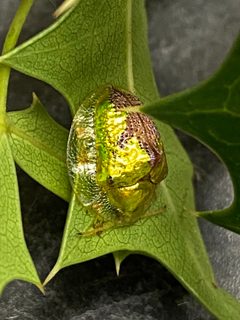
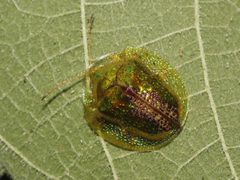
1- Coptocycla texana(Anacua Tortoise Beetle)
Coptocycla is a of tortoise beetles in the Chrysomelidae, Cassidinae. The genus contains approximately 58 described . Members of this genus are leaf beetles characterized by their distinctive body form, with the and pronotum expanded to cover the body margins. These beetles are primarily found in the Americas.
Pronunciation
How to pronounce Coptocycla: //ˌkɒptəˈsaɪklə//
These audio files are automatically generated. While they are not always 100% accurate, they are a good starting point.
Identification
Distinguished from other tortoise beetle by the combination of expanded and pronotum forming a protective shield over the body, with the scutellum visible and not covered by the pronotum. The body is typically rounded and flattened, with the elytra extending laterally beyond the . Specific -level identification requires examination of subtle differences in coloration, punctation patterns, and body proportions.
Images
Habitat
Associated with vegetation in tropical and subtropical regions; specific plant associations vary by but generally involve herbaceous plants and vines.
Distribution
New World distribution, primarily in the Americas. occur from the southern United States through Central America and into South America.
Diet
and larvae feed on leaf tissue of plants; specific host associations are documented for some but remain unknown for many.
Life Cycle
Complete with , larval, pupal, and stages. Larvae carry fecal material and shed on forked caudal processes as a defensive shield, a characteristic trait of Cassidinae.
Behavior
When disturbed, may press tightly against the substrate, using their expanded margins to create a seal that protects against . Larvae remain on plants and use their fecal shields for protection.
Ecological Role
Herbivores that consume leaf tissue; some may exert significant feeding pressure on plants locally.
Human Relevance
Some have been noted as occasional pests of agricultural or ornamental plants, though economic impact is generally minor. The is of interest to collectors due to the often striking and variable coloration of specimens.
Similar Taxa
- CassidaSimilar expanded body form, but Cassida generally have the scutellum covered by the pronotum and different antennal proportions.
- CharidotellaOverlapping distribution and similar use; distinguished by differences in pronotal shape and elytral margin structure.