Stenodontes
Stenodontes
Classification
- Phylum: Arthropoda
- Subphylum: Hexapoda
- Class: Insecta
- Order: Coleoptera
- Suborder: Polyphaga
- Superfamily: Chrysomeloidea
- Family: Cerambycidae
- Subfamily: Prioninae
- Tribe: Mallodonini
- Genus: Stenodontes
Pronunciation
How to pronounce Stenodontes: //ˌstɛnoʊˈdɒntiːz//
These audio files are automatically generated. While they are not always 100% accurate, they are a good starting point.
Images
Summary
Stenodontes is a genus of cerambycid beetles found primarily in southern Florida and the West Indies, featuring several species known for their distinctive morphology and ecological roles in forest habitats.
Physical Characteristics
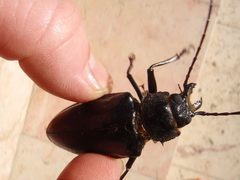
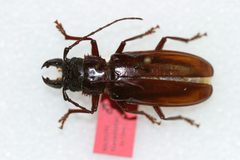
Stenodontes beetles are characterized by their elongated bodies and long antennae, which can be longer than the body itself. They typically have a hard exoskeleton and exhibit a range of colors and markings, commonly including black, brown, or metallic hues.
Identification Tips
Look for the long antennae and elongated body shape typical of the Cerambycidae family. The species can be differentiated by their unique coloration and size, with some variations in the pattern of the elytra (wing covers).
Habitat
These beetles are commonly found in forests and woodlands where they can thrive on their preferred tree species.
Distribution
Primarily distributed in southern Florida and the West Indies, with a few species found in other regions.
Diet
Stenodontes beetles are primarily herbivorous, feeding on the wood of various trees as larvae and possibly consuming leaves or nectar as adults.
Life Cycle
The life cycle includes stages as an egg, larva, pupa, and adult. The larvae typically develop within the wood of trees.
Reproduction
Reproductive habits involve the female laying eggs in or near host trees, and the larvae develop within the wood after hatching.
Predators
Predators may include birds, reptiles, and other insects that prey on beetles and their larvae.
Ecosystem Role
As wood-boring beetles, they play a role in decomposing wood and recycling nutrients in forest ecosystems.
Economic Impact
Some species may be considered pests in forestry and agriculture due to their wood-boring habits that can damage trees.
Collecting Methods
- Light traps
- Hand collecting on host trees
Preservation Methods
- Ethanol preservation
- Drying and mounting specimens
Misconceptions
There may be misconceptions regarding size and danger, as some individuals may think all cerambycid beetles are harmful when many actually are not.
Tags
- Beetles
- Cerambycidae
- Coleoptera
- West Indies
- Florida