
Xestoleptura
Casey, 1913
Species Guides
6- Xestoleptura behrensi(flower longhorn beetle)
- Xestoleptura cockerelli
- Xestoleptura crassicornis(flower longhorn beetle)
- Xestoleptura crassipes(flower longhorn)
- Xestoleptura octonotata(Long-winged Longhorn Beetle)
- Xestoleptura tibialis(flower longhorn beetle)
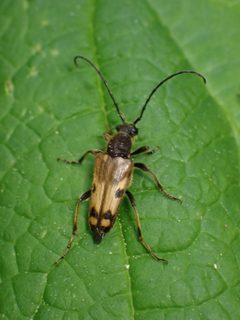
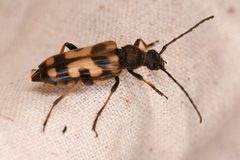
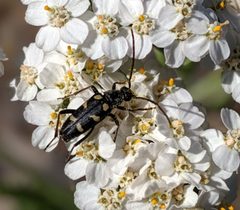
Xestoleptura is a of flower longhorn beetles in the Cerambycidae, established by Casey in 1913. The genus contains approximately 10 distributed primarily in North America. Members are classified within the Lepturinae and tribe Lepturini, a group commonly associated with visiting flowers for feeding and mating.
Pronunciation
How to pronounce Xestoleptura: //ˌzɛstoʊˌlɛpˈtʊrə//
These audio files are automatically generated. While they are not always 100% accurate, they are a good starting point.
Identification
Xestoleptura are distinguished from other Lepturinae by subtle morphological characters of the , pronotum, and . The genus is part of the tribe Lepturini, whose members typically have elongated bodies and relatively long antennae. Precise identification to species level requires examination of specific structural features and is best accomplished with reference to specialized taxonomic keys for North American Cerambycidae.
Images
Habitat
in this are associated with flowering vegetation in forested and woodland environments. Field observations indicate are attracted to sweet baits such as red wine, suggesting they occupy where fermenting materials or floral resources are available. Specific microhabitat preferences vary by species.
Distribution
The is distributed across North America, with records from the United States and Canada. Individual species show varying geographic ranges, with some restricted to western regions and others more broadly distributed.
Seasonality
activity has been documented from late spring through early fall, with peak occurrence varying by and locality. Field records indicate presence from June through September in western North American localities.
Life Cycle
As with other Cerambycidae, Xestoleptura undergoes complete with , larval, pupal, and stages. Larval development occurs in wood, though specific plant associations for most remain undocumented. Adults are known to visit flowers, presumably for nectar feeding.
Behavior
have been observed visiting flowers and are attracted to fermented traps. One field record documents a specimen attracted to a sweet red wine-baited jug trap in ponderosa pine and Gambel oak woodland .
Ecological Role
likely function as when visiting flowers. Larvae contribute to wood decomposition as borers in dead or dying woody vegetation.
Human Relevance
The is of interest to coleopterists and naturalists. No significant economic impacts, either beneficial or detrimental, have been documented.
Similar Taxa
- LepturaBoth belong to tribe Lepturini and share the 'flower longhorn beetles.' Xestoleptura was historically separated from Leptura based on subtle differences in antennal structure and body proportions.
- TypocerusAnother North American Lepturini with similar flower-visiting and elongated body form. Xestoleptura generally lack the bold color patterns seen in many Typocerus.
- StrangaliaOverlapping in distribution and flower-visiting . Strangalia often show more pronounced in antennal length and body shape than Xestoleptura.
More Details
Taxonomic History
The was established by Casey in 1913 to accommodate previously placed in Leptura. The spelling 'behrensi' versus 'behrensii' in species listings reflects historical variations in authorship citation.
Species Diversity
Ten are currently recognized: X. baeckmanni, X. behrensi/behrensii, X. cockerelli, X. crassicornis, X. crassipes, X. nigroflava, X. octonotata, X. rufiventris, and X. tibialis. Nomenclatural issues persist for X. behrensi/behrensii.
Collection Methods
Field collectors have successfully captured specimens using sweet red wine-baited jug traps and by sweeping or hand-collecting from flowers of Ericameria nauseosa (rubber rabbitbrush) and other blooming vegetation.