Lypsimena fuscata
Haldeman, 1847
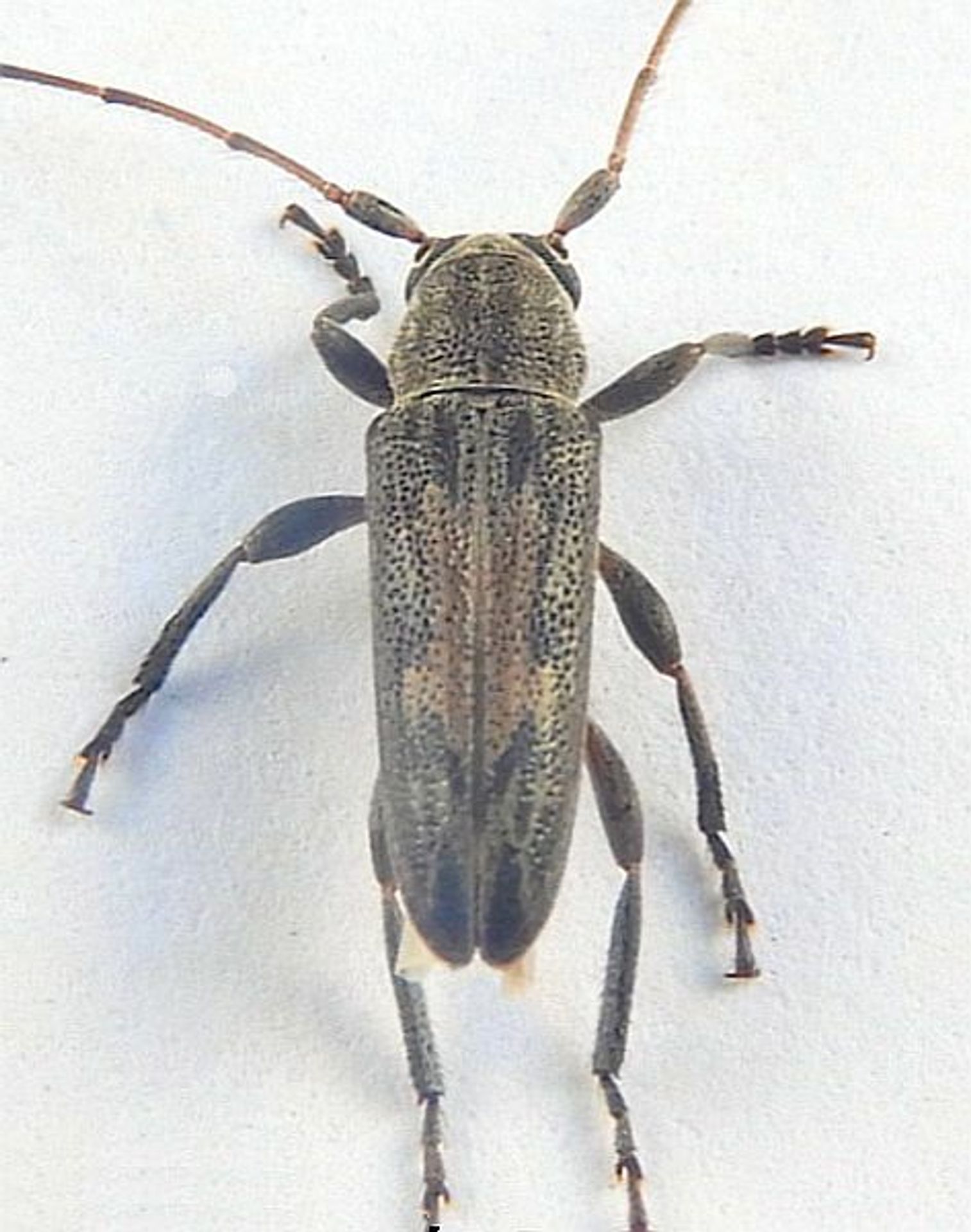
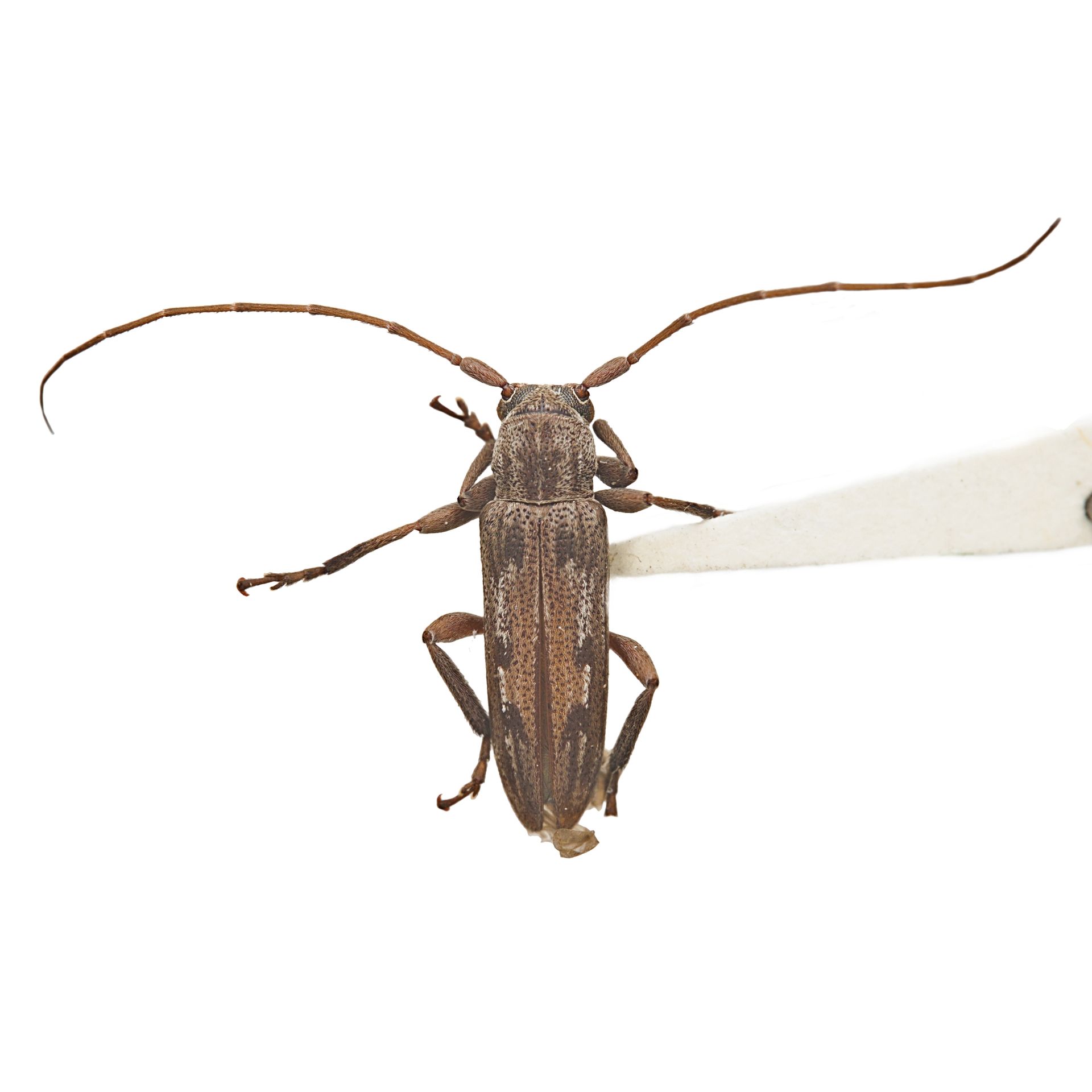
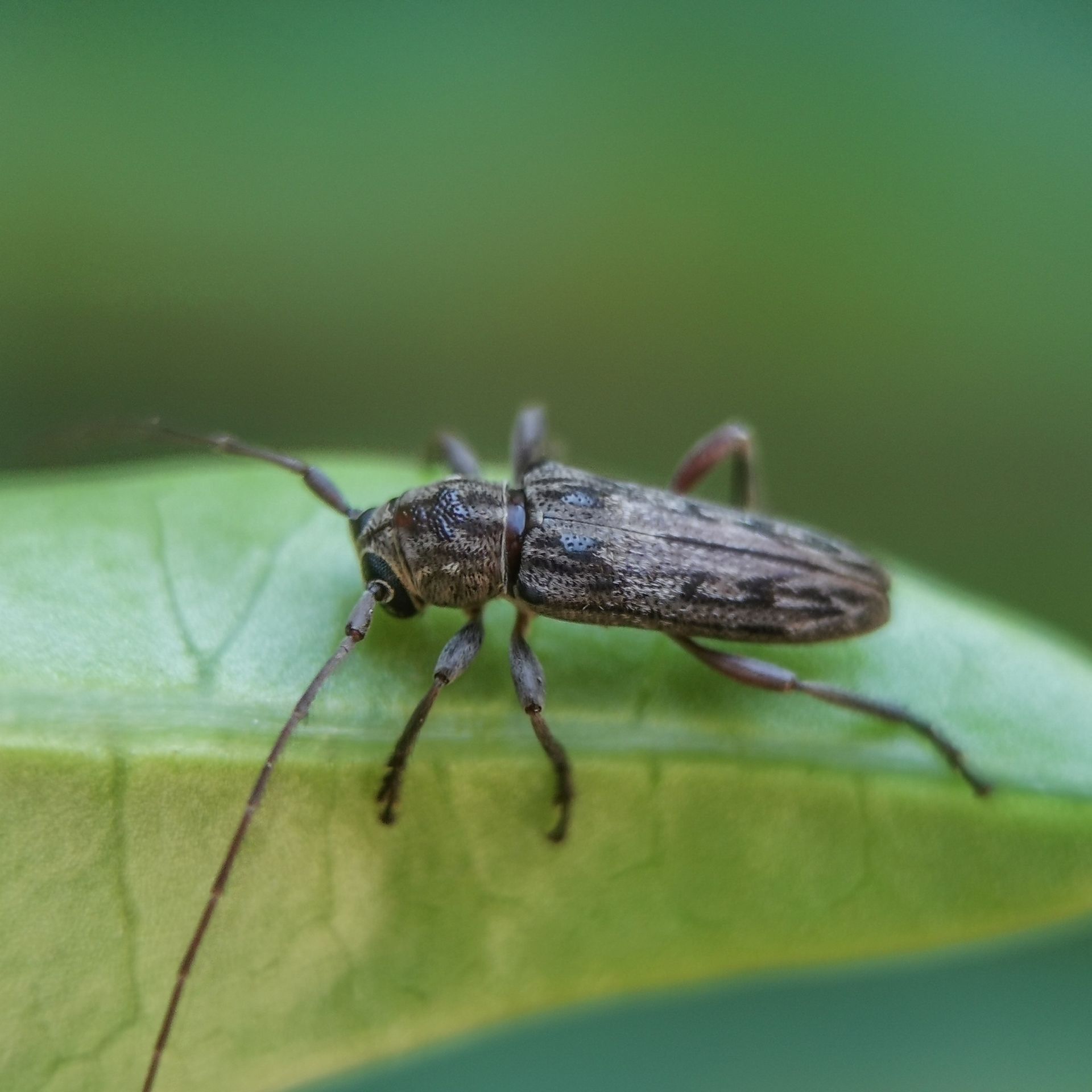
Lypsimena fuscata is a longhorn beetle (Cerambycidae) first described by Haldeman in 1847. It belongs to the Lamiinae and tribe Pogonocherini. The has been documented across an exceptionally broad geographic range spanning North, Central, and South America, as well as the Caribbean. Its wide distribution suggests adaptability to diverse tropical and subtropical conditions.
Pronunciation
How to pronounce Lypsimena fuscata: /lɪpˈsɪmɛnə fʊsˈkɑːtə/
These audio files are automatically generated. While they are not always 100% accurate, they are a good starting point.
Images
Distribution
Documented from the United States, Mexico, Bahamas, Cuba, Jamaica, Haiti, Dominican Republic, Puerto Rico, Panama, Honduras, Colombia, Venezuela, Guyana, French Guiana, Brazil, Paraguay, Uruguay, and Argentina. GBIF records confirm presence across multiple Brazilian states including Bahia, Espírito Santo, Maranhão, Minas Gerais, Mato Grosso do Sul, Paraíba, Piauí, Paraná, Rio de Janeiro, Rio Grande do Norte, Roraima, Rio Grande do Sul, Santa Catarina, and São Paulo.
More Details
Taxonomic placement
Classified within Lamiinae (flat-faced longhorns) and tribe Pogonocherini, a group characterized by generally small to medium body size and often cryptic coloration.
Distribution pattern
The exhibits a transcontinental distribution unusual for Cerambycidae, spanning from temperate North America through the Caribbean to southern South America. This pattern may reflect human-mediated transport, broad ecological , or cryptic requiring further study.