
Lochmaeocles
Bates, 1880
Species Guides
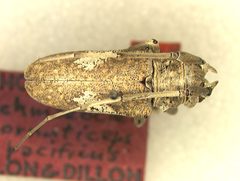
2- Lochmaeocles cornuticeps
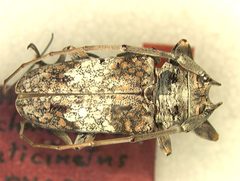
- Lochmaeocles marmoratus(Southwestern Marbled Longhorn)
Lochmaeocles is a of longhorn beetles ( Cerambycidae) in the Lamiinae, tribe Onciderini. The genus contains approximately 25 described distributed primarily in the Americas, with many species described by Dillon & Dillon in 1946. Members of this genus are wood-boring beetles whose larvae develop in dead or dying wood.

Pronunciation
How to pronounce Lochmaeocles: //lɒkˈmiːəˌkliːz//
These audio files are automatically generated. While they are not always 100% accurate, they are a good starting point.
Identification
Lochmaeocles can be distinguished from other Onciderini by a combination of morphological features typical of the tribe, including body shape and antennal characteristics. Species-level identification within the genus requires examination of specific characters such as elytral pattern, body proportions, and male genitalia. The genus name has been variously spelled in historical literature.
Images
Habitat
Associated with dead or dying woody vegetation. Based on documented rearing records for L. cornuticeps in south Texas, in this inhabit branches of trees that have been freshly killed or are in decline.
Distribution
Primarily distributed in the Americas. Documented occurrences include Colombia, Ecuador (Reserva Ecológica Arenillas), the southwestern United States (Texas), Mexico, and Central America. The ranges from the southern United States through Central America to South America.
Diet
Larvae are , feeding within dead wood. Specific plant associations are documented for few ; L. cornuticeps has been reared from girdled mesquite branches in Texas.
Host Associations
- mesquite (Prosopis) - larval Documented for L. cornuticeps in south Texas via rearing from girdled branches
Life Cycle
Complete with , larval, pupal, and stages. Larvae develop within wood, with development likely extending across multiple seasons based on observations of related wood-boring cerambycids.
Behavior
are . Larvae are wood-borers that tunnel through dead wood; those of L. cornuticeps have been documented developing in branches girdled by twig-girdler beetles (Oncideres spp.).
Ecological Role
Larvae contribute to wood decomposition by tunneling through dead branches. Some may serve as secondary inhabitants of branches initially girdled by other cerambycid species.
Human Relevance
Of interest to coleopterists and natural historians. Some are collected through rearing from infested wood. No significant economic impacts documented.
Similar Taxa
- OncideresBoth are Onciderini with twig-girdler or branch-associated ; Oncideres are the primary girdlers, while Lochmaeocles species may utilize branches already girdled by Oncideres
More Details
Rearing notes
Based on successful rearing of L. cornuticeps, wood should be collected from freshly dead branches showing minimal external signs of . Branches 1–3 inches in diameter are most productive. Rearing containers must balance moisture management to prevent mold or desiccation.