
Neoptychodes
Dillon & Dillon, 1941
Species Guides
1- Neoptychodes trilineatus(Fig Tree Borer)
Neoptychodes is a of flat-faced longhorn beetles (Cerambycidae) in the Lamiinae, tribe Monochamini. The genus contains five described distributed in the Neotropical region. Members are characterized by their flattened facial structure and elongated typical of the group. The genus was established by Dillon & Dillon in 1941.
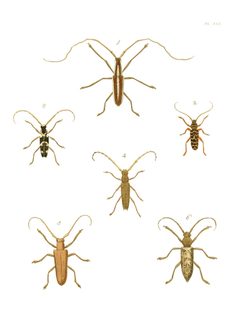
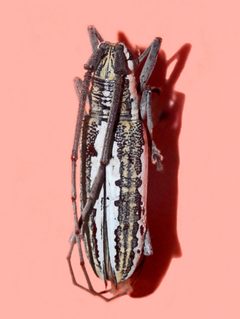
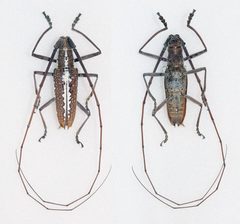
Pronunciation
How to pronounce Neoptychodes: /ne.oʊˈtɪkoʊdiːz/
These audio files are automatically generated. While they are not always 100% accurate, they are a good starting point.
Identification
Flat-faced longhorn beetles in this can be distinguished from related genera by their characteristic facial flattening, a trait referenced in their . -level identification requires examination of specific morphological features such as elytral markings and body proportions, which vary among the five described species. The genus belongs to the tribe Monochamini, which includes other longhorn beetles with similar general body plans.
Images
Distribution
Neotropical region. Distribution records from GBIF indicate presence in Colombia (CO). within the have been recorded from Central America and northern South America, including Honduras, based on species epithets.
Similar Taxa
- MonochamusBoth belong to tribe Monochamini and share similar elongated body forms and long . Neoptychodes differs in its flattened facial structure.
- PtychodesThe name Neoptychodes suggests a relationship to Ptychodes, another lamiine genus. Neoptychodes was separated based on distinct morphological characters, likely including the flattened .
More Details
Etymology
The name combines the Greek prefix 'neo-' (new) with 'Ptychodes', indicating its close relationship to and distinction from the genus Ptychodes.
Species diversity
The contains five described : N. candidus, N. cosmeticus, N. cretatus, N. hondurae, and N. trilineatus. N. trilineatus, described by Linnaeus in 1771, is the oldest described species and was originally placed in the genus Cerambyx.