Tylonotus
Haldeman, 1847
Species Guides
2- Tylonotus bimaculatus(Ash and Privet Borer)
- Tylonotus masoni
Tylonotus is a small of longhorn beetles (Cerambycidae) established by Haldeman in 1847. The genus contains two described : Tylonotus bimaculatus and Tylonotus masoni. Members are classified in the tribe Hesperophanini within the Cerambycinae. The genus has been documented primarily from the eastern United States.
Pronunciation
How to pronounce Tylonotus: /taɪˈlɒnəˌtʌs/
These audio files are automatically generated. While they are not always 100% accurate, they are a good starting point.
Identification
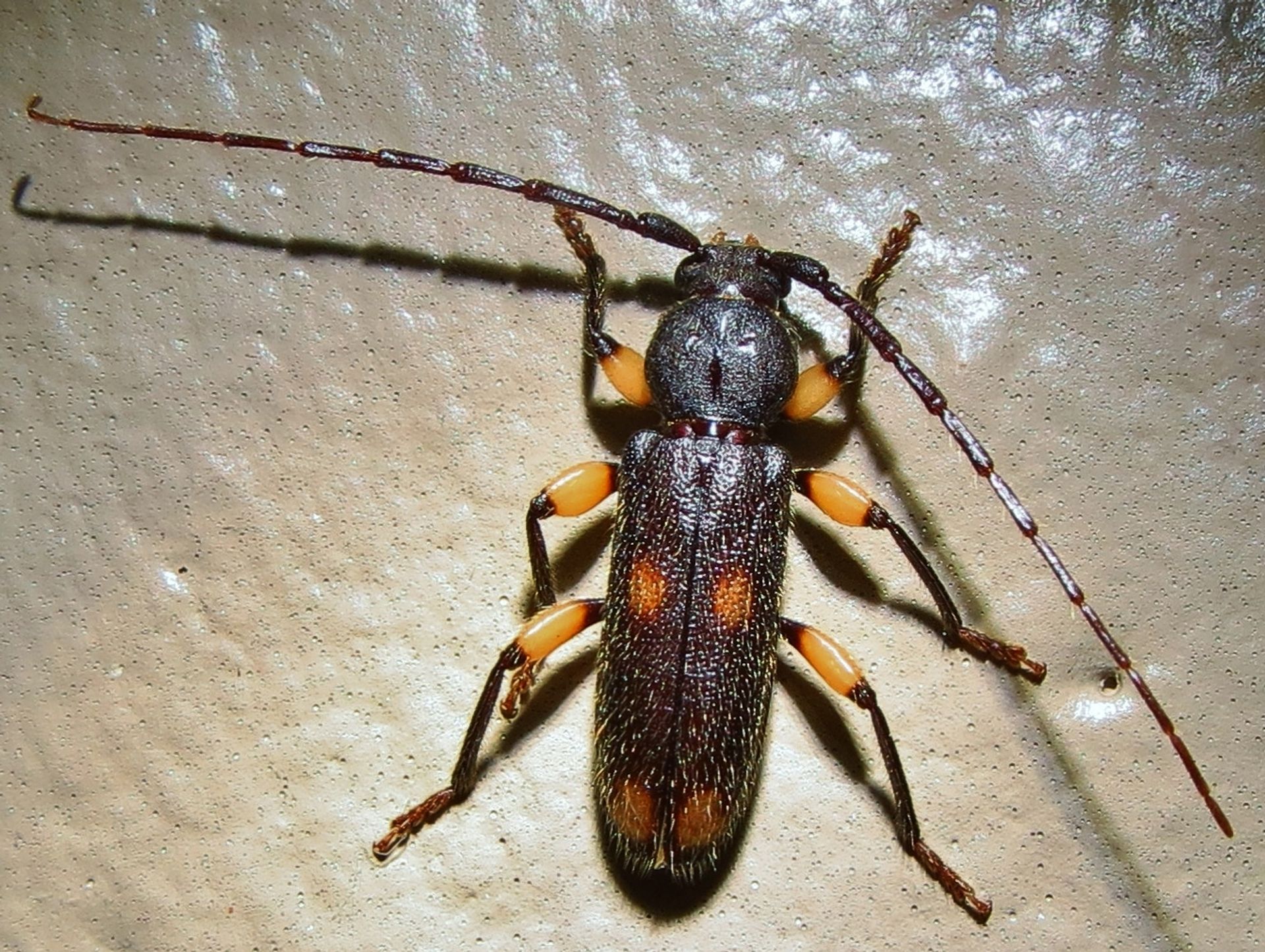
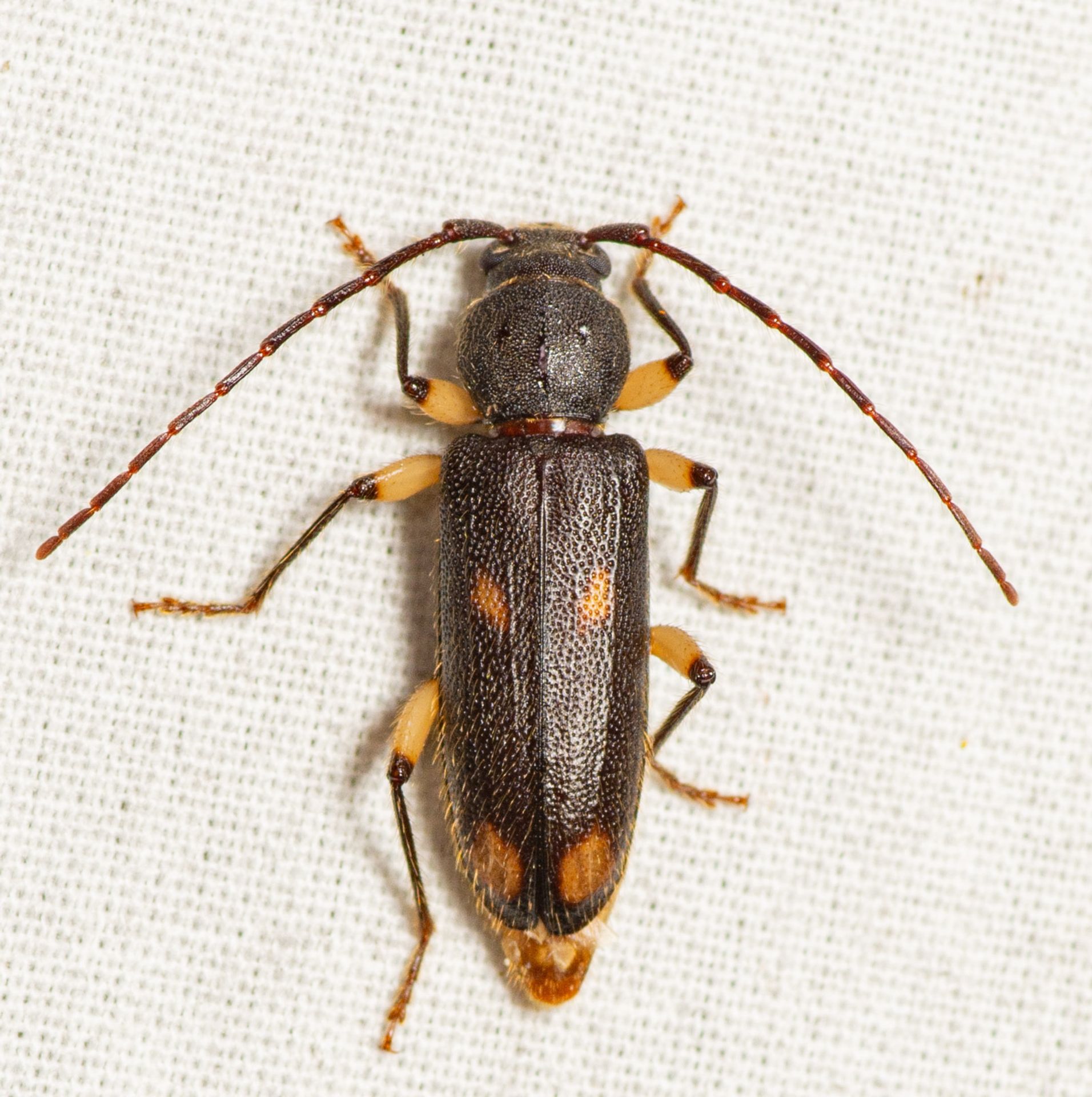
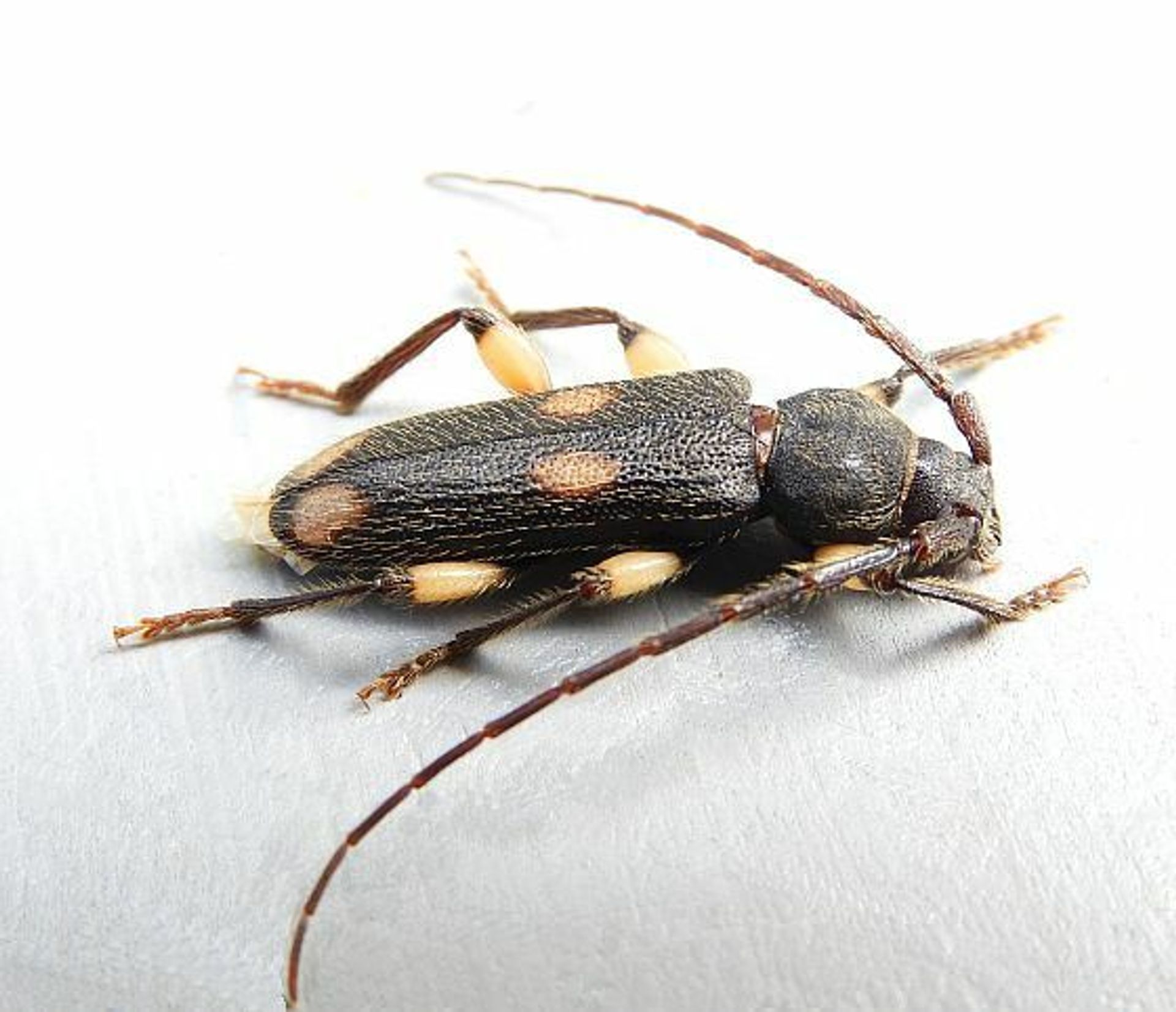
Tylonotus can be distinguished from related hesperophanine by their compact body form and the distinctive bimaculate (two-spotted) elytral pattern present in at least one species. The genus is characterized by relatively short compared to many cerambycids and a somewhat flattened pronotum. Tylonotus masoni was originally described in the genus Paratimia before being transferred to Tylonotus.
Images
Distribution
Eastern United States, with records from Vermont and other eastern states. The appears to be restricted to the Nearctic region.
Similar Taxa
- ParatimiaTylonotus masoni was originally described in this ; both share compact body forms and short , requiring careful examination of genitalic and elytral characters for separation.
- HesperophanesAnother in the tribe Hesperophanini with similar overall ; Tylonotus are generally smaller with more distinct elytral maculation patterns.
More Details
Taxonomic History
The was established by Haldeman in 1847 with Tylonotus bimaculatus as the type . Tylonotus masoni was transferred from Paratimia by subsequent authors based on morphological reanalysis.
Observation Data
The has accumulated over 1,000 research-grade observations on iNaturalist, suggesting it is moderately well-documented by citizen scientists, though specific biological details remain sparse in the primary literature.