
Placosternus erythropus
(Chevrolat, 1835)
Mesquite Borer Beetle, longhorned beetle
Placosternus erythropus is a cerambycid beetle characterized by its slender body, exceptionally long , and distinctive coloration of black with white or yellowish markings and reddish appendages. The occurs from the southwestern United States through Mexico and Central America to Rica. Larvae develop as wood-borers in the inner bark and xylem of diverse woody plants, while have been observed feeding on plant material including dried peppers. First described by Chevrolat in 1835, the species has undergone numerous taxonomic revisions and is known in Mexico as the Escarabajo Barrenador del Mezquite.
Pronunciation
How to pronounce Placosternus erythropus: /ˌplækəˈstɜrnəs ɛˈrɪθrəˌpʊs/
These audio files are automatically generated. While they are not always 100% accurate, they are a good starting point.
Identification
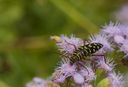
are moderately slender beetles reaching up to 20 mm in length with notably longer than the body. The body is black with white or yellowish longitudinal stripes and spots, with legs and other appendages red or reddish in color. The Placosternus can be distinguished from the similar genus Megacyllene by the absence of a spine on the basal antennomere (the first segment of the antenna); Megacyllene possess this spine. Within the genus, species are visually similar and may require examination of genitalia or other fine structural characters for definitive identification.
Images
Habitat
Associated with woody vegetation including forests, woodlands, and cultivated areas where trees occur. Larval development occurs within the wood of living or recently dead trees.
Distribution
Western and southern Texas, United States; south through Mexico and Central America to Rica.
Diet
Larvae feed on phloem and cambium, later burrowing into xylem of trees. have been documented feeding on sliced red bell peppers set out to dry in sunlight; extent of typical adult feeding in natural conditions is not well documented.
Life Cycle
Females deposit in the inner bark (phloem) of woody plants. Larvae chew individual chambers, initially feeding on phloem at the cambium interface, then tunneling into the xylem. When mature, larvae widen their tunnel and line it with wood shavings or fibers to form a pupal chamber. emerge through an oval exit tunnel and disperse by .
Ecological Role
Wood-boring larvae contribute to nutrient cycling through decomposition of woody material and may influence tree health and . The functions as a herbivore across diverse tree .
Human Relevance
Known in Mexico as the Escarabajo Barrenador del Mezquite (Mesquite Borer ). Larvae attack economically important fruit trees including apple, cherry, plum, peach, and pear, as well as shade and timber trees such as ash, elm, and eucalyptus, potentially causing damage in orchards and urban plantings.
Similar Taxa
- Megacyllene speciesSimilar in body shape, color pattern (black with pale markings and reddish appendages), and size; distinguished by presence of a spine on the basal antennomere, which is absent in Placosternus
- Other Placosternus speciesVisually similar black-and-white striped pattern with reddish legs; require detailed examination of antennal structure or genitalia for separation