Phymatodes vulneratus
(LeConte, 1857)
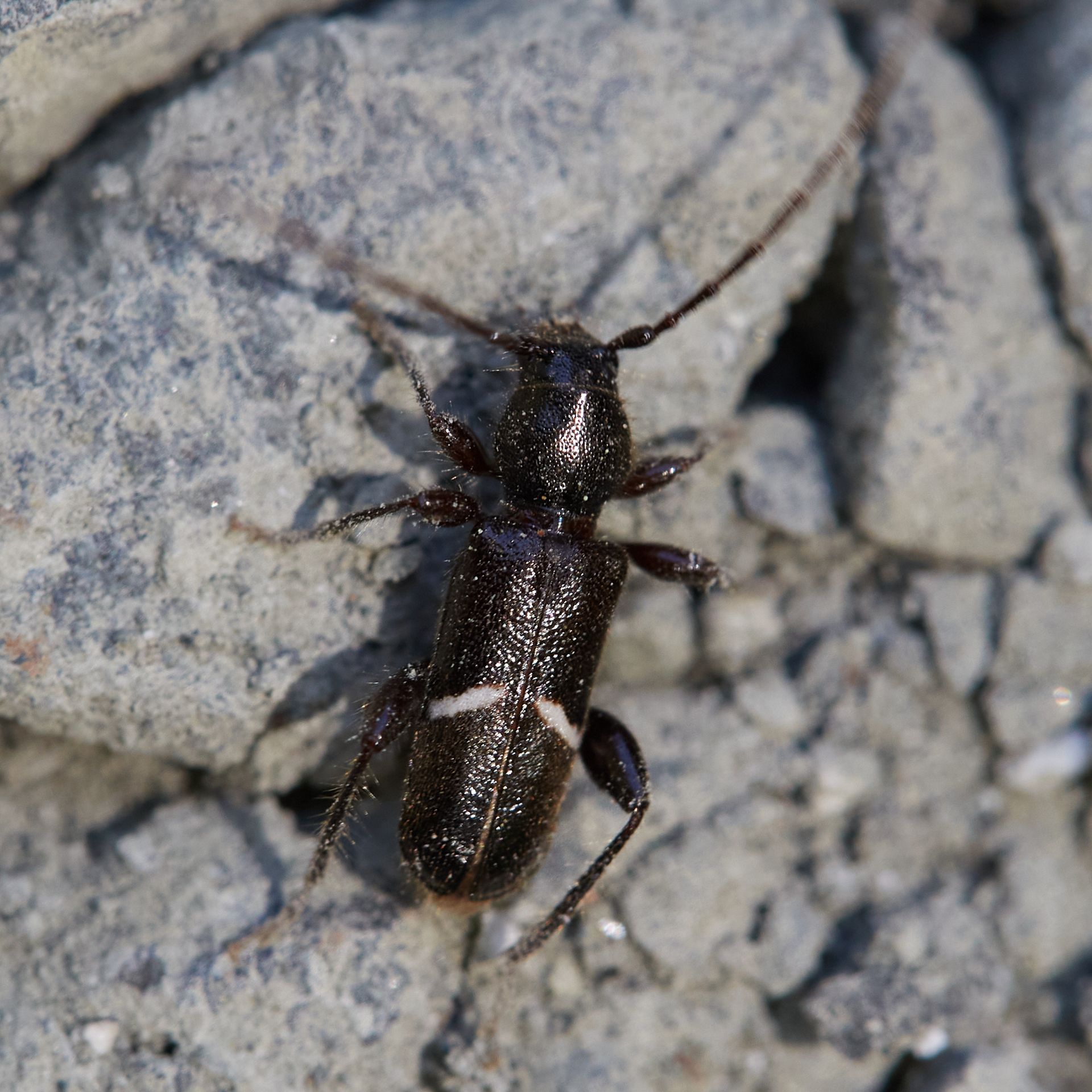
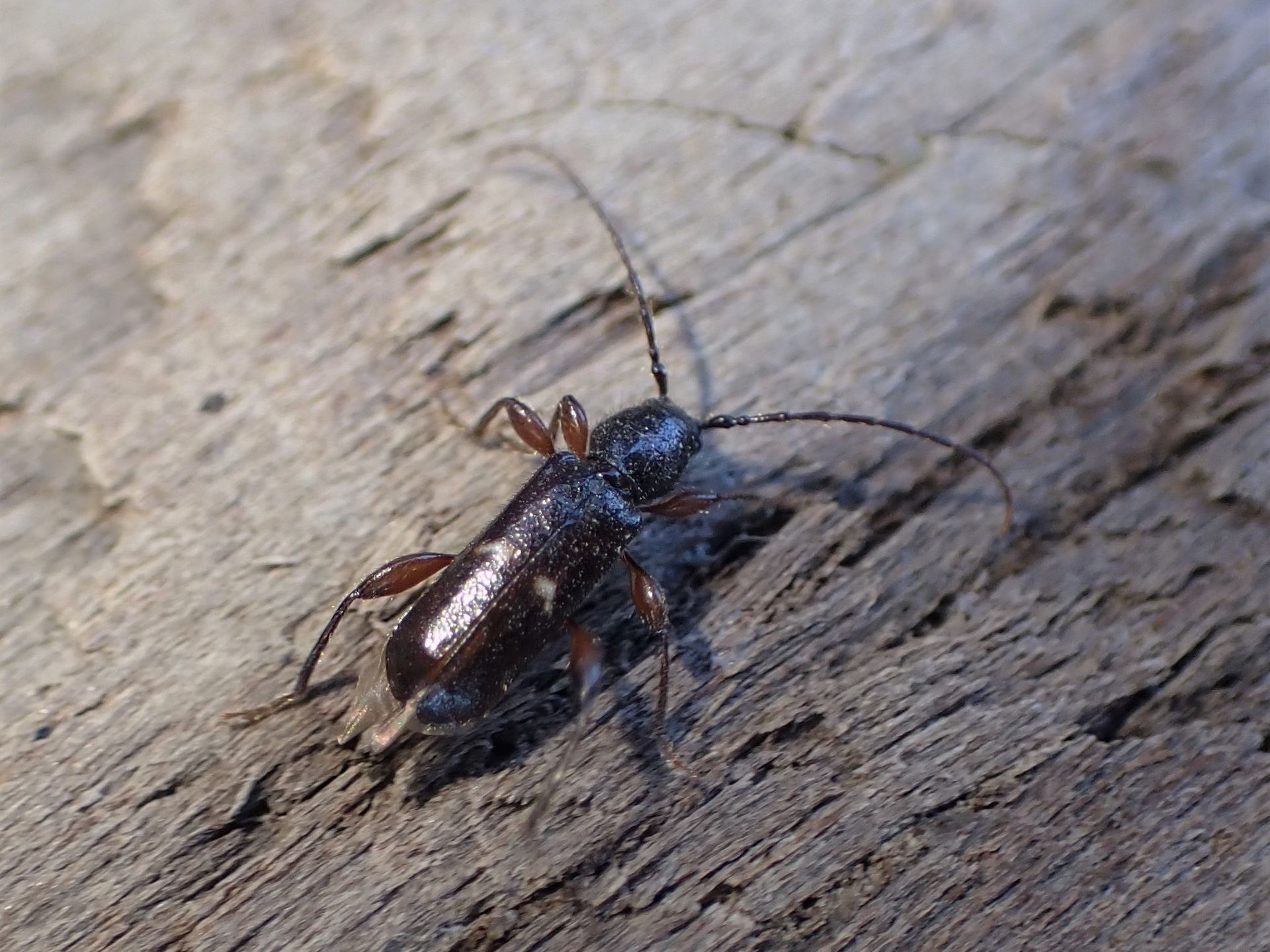
Phymatodes vulneratus is a of longhorn beetle in the Cerambycidae. The species was first described by LeConte in 1857. It is distributed across Canada and the United States. A 1929 study documented larvae infesting dead Vine Maple (Acer circinatum) in British Columbia, representing a new record for the species. The larvae were found in shaded positions, with only 2 of 17 infested maples occurring in sun-exposed locations.
Pronunciation
How to pronounce Phymatodes vulneratus: /faɪməˈtoʊdiːz ˌvʌlnəˈreɪtəs/
These audio files are automatically generated. While they are not always 100% accurate, they are a good starting point.
Images
Habitat
Dead wood of Vine Maple (Acer circinatum); larvae collected from trees dead for three years, in wood sections ranging from 0.5 to 6 inches in diameter. Strongly associated with shaded positions—only 2 of 17 infested maples examined occurred in sun-exposed locations.
Distribution
Canada and the United States. Documented from Salmon Arm, British Columbia, Canada.
Host Associations
- Acer circinatum - larval Vine Maple; dead wood. New record documented in 1929 from Salmon Arm, B.C.
Life Cycle
Larval stage develops in dead wood of tree. Specific duration of larval development and timing not documented.
Behavior
Larvae exhibit strong preference for shaded conditions.
Ecological Role
Wood-boring ; larvae develop in dead wood, contributing to decomposition of fallen trees.
More Details
Taxonomic history
Phymatodes vulneratus was first described by LeConte in 1857. The Phymatodes underwent nomenclatural revisions in 2010 (Swift & Ray), though P. vulneratus was not among the affected by synonymy changes.
Research history
The 1929 note in The Canadian Entomologist represents one of the few detailed biological observations for this , focusing on plant association and microhabitat preference in British Columbia.
Sources and further reading
- BugGuide
- Wikipedia
- GBIF taxonomy match
- iNaturalist taxon
- Catalogue of Life
- Primary Type List | Entomology Research Museum
- Nomenclatural changes in Phymatodes | Beetles In The Bush
- Long-Distance Palm Weevil Flyers Threaten California Date Palms
- Cerambycidae | Beetles In The Bush | Page 10
- October | 2021 | Beetles In The Bush
- Missouri | Beetles In The Bush | Page 5
- NOTES ON PHYMATODES VULNERATUS LEC. WITH A NEW HOST RECORD (COLEOPTERA, CERAMBYCIDAE)