Phymatodes dimidiatus
(Kirby, 1837)
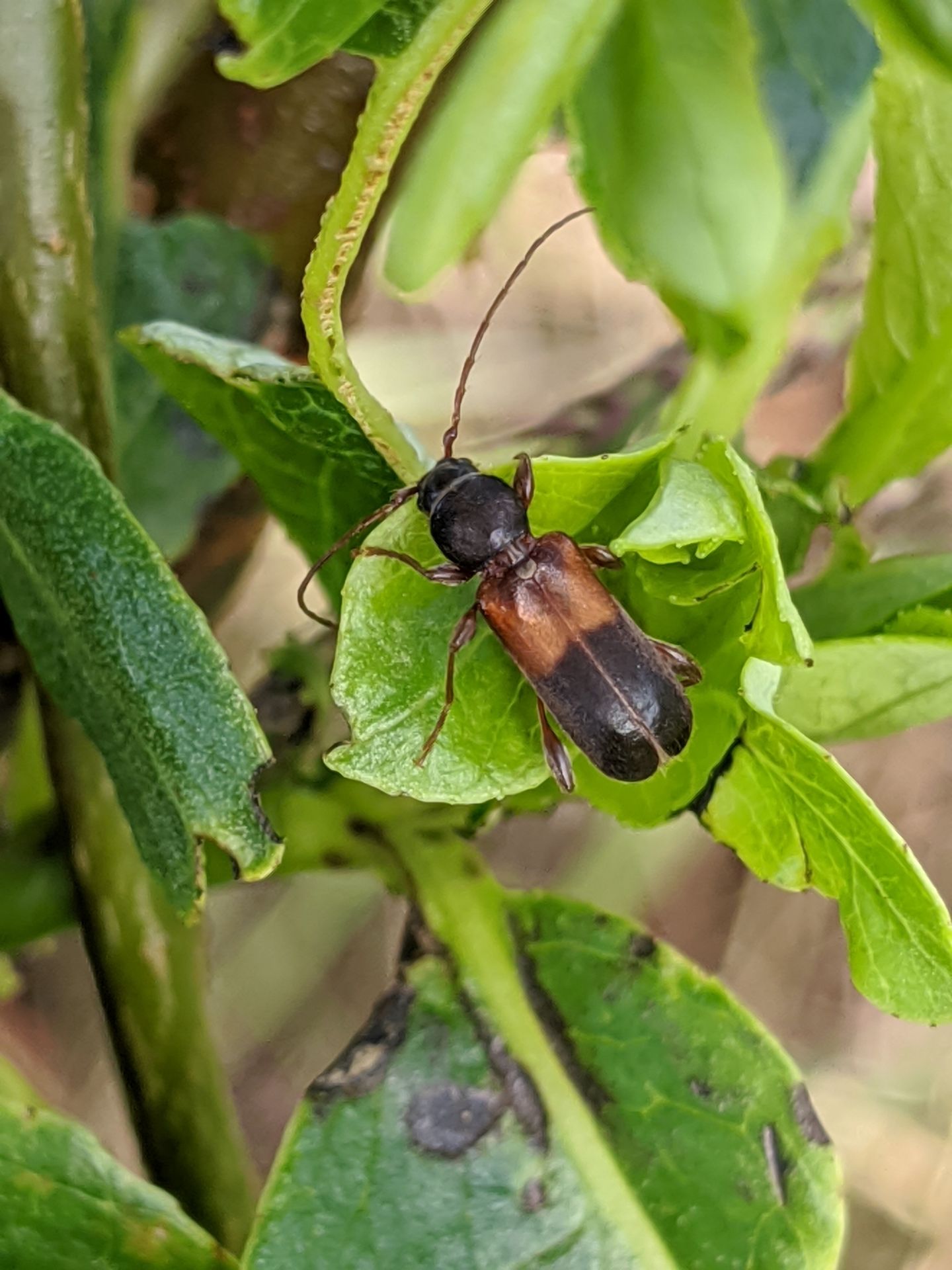
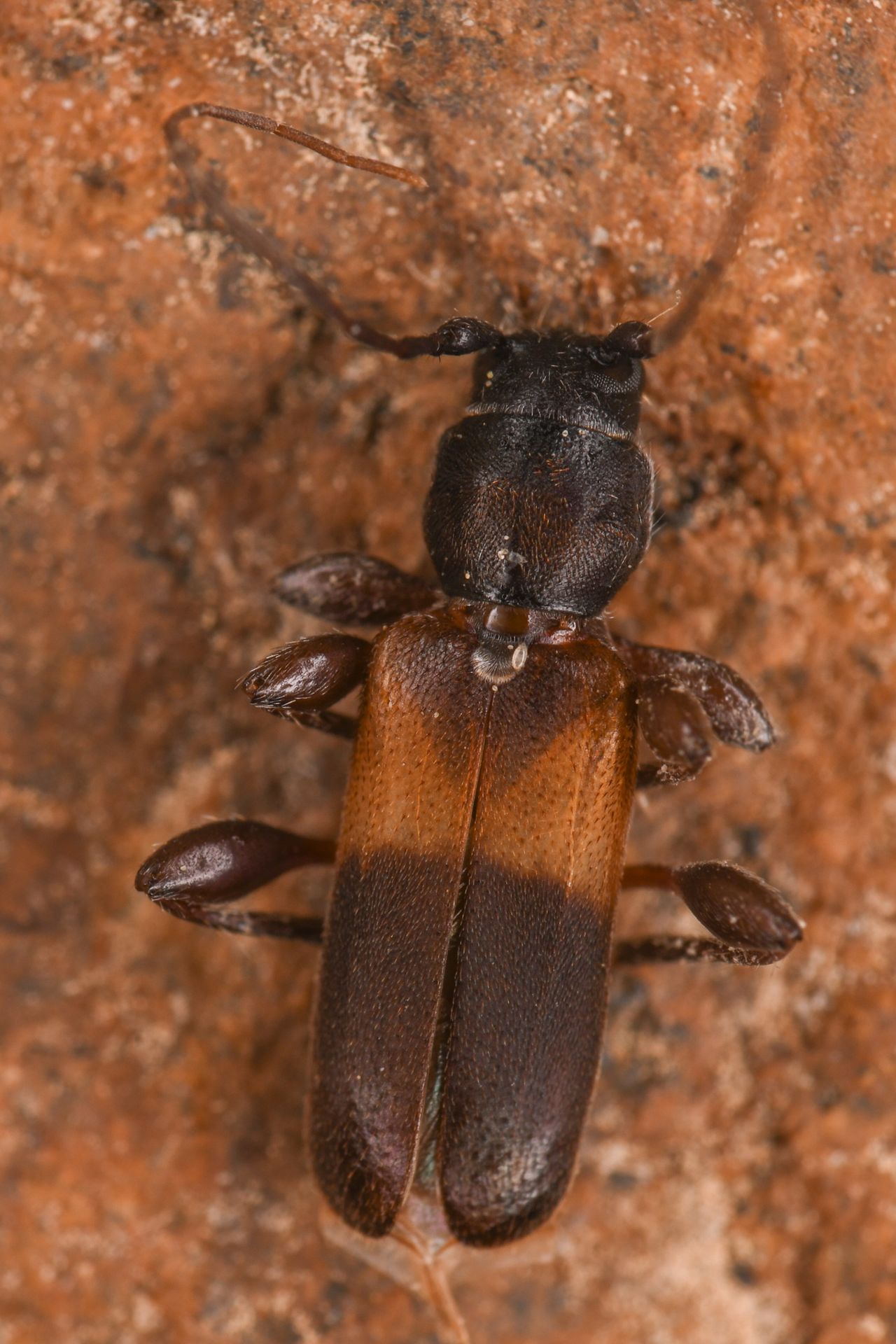
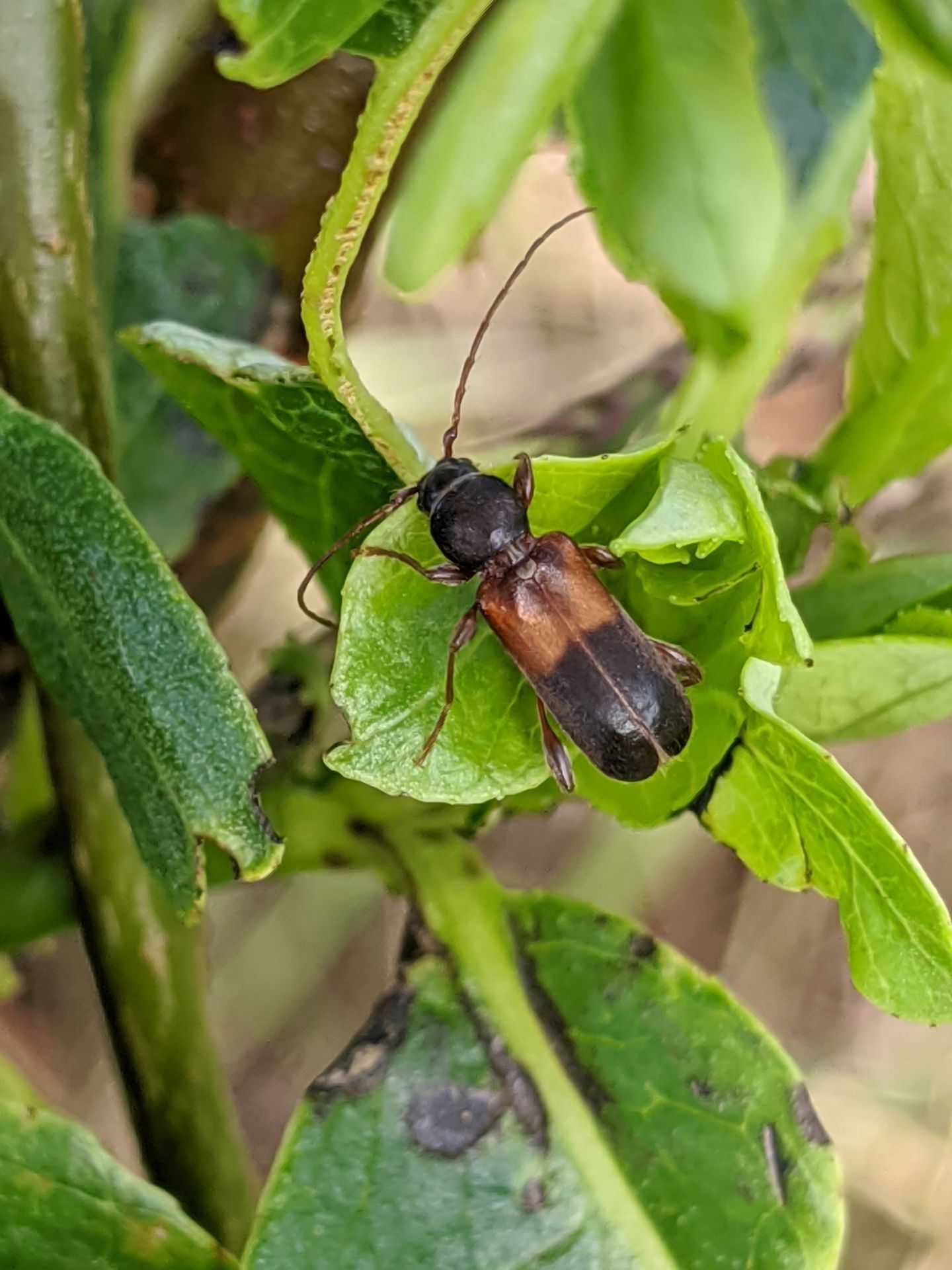
Phymatodes dimidiatus is a of longhorn beetle in the Cerambycidae, first described by Kirby in 1837. It is to the North American Intermountain West and exhibits seasonal activity from mid-May through mid-August. Males produce a volatile , (R)-2-methylbutan-1-ol, which is shared with other Phymatodes species.
Pronunciation
How to pronounce Phymatodes dimidiatus: //faɪməˈtoʊdiːz dɪˌmɪdiˈeɪtəs//
These audio files are automatically generated. While they are not always 100% accurate, they are a good starting point.
Images
Distribution
North American Intermountain West; recorded from Alberta, British Columbia, Manitoba, and New Brunswick in Canada, and present in the United States.
Seasonality
are active from mid-May through mid-August, with periods overlapping with other sympatric Phymatodes .
Behavior
Males produce a volatile , (R)-2-methylbutan-1-ol, which likely functions in mate attraction. The exhibits seasonal activity with potential for temporal overlap with , suggesting possible mechanisms for reproductive isolation such as pheromone component variation, specificity, or stratification.
Human Relevance
identification contributes to potential monitoring tools for this and related cerambycid .
More Details
Pheromone chemistry
The male-produced (R)-2-methylbutan-1-ol is part of a conserved pheromone motif found across Phymatodes , often in combination with (R)-3-hydroxyhexan-2-one.
Taxonomic context
The Phymatodes underwent significant nomenclatural revision in 2010 (Swift & Ray), resolving misapplied names and synonymies among North American .
Sources and further reading
- BugGuide
- Wikipedia
- GBIF taxonomy match
- iNaturalist taxon
- NCBI Taxonomy
- Catalogue of Life
- Nomenclatural changes in Phymatodes | Beetles In The Bush
- Cerambycidae | Beetles In The Bush | Page 10
- October | 2021 | Beetles In The Bush
- Insecta | Beetles In The Bush | Page 8
- Identification of a Male-Produced Volatile Pheromone forPhymatodes dimidiatus(Coleoptera: Cerambycidae) and Seasonal Flight Phenology of FourPhymatodesSpecies Endemic to the North American Intermountain West