
Heterocerus parrotus
Parrot Mud-loving Beetle
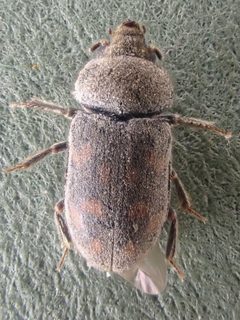
Heterocerus parrotus, commonly known as the Parrot Mud-loving , is a of beetle in the Heteroceridae. Members of this family are small, elongate beetles strongly associated with muddy or silty substrates near water. The species is poorly documented, with only three observations recorded on iNaturalist.
Pronunciation
How to pronounce Heterocerus parrotus: /hɛ.tɛˈroʊ.sɛ.rəs ˈpær.oʊ.təs/
These audio files are automatically generated. While they are not always 100% accurate, they are a good starting point.
Identification
Specific identification characters for Heterocerus parrotus are not established in available literature. The Heterocerus is distinguished from related genera primarily by male genitalia and subtle elytral sculpturing patterns. Accurate identification to level requires examination of or original species description. Distinguished from other mud-loving beetles ( Heteroceridae) by combination of size, body proportions, and preferences, though these traits overlap with .
Images
Appearance
As a member of Heteroceridae, likely small (approximately 3–5 mm), elongate-oval in body shape, with compact, somewhat flattened form. are short and clubbed. are typically sculptured or punctate. Coloration is generally dull brown to black. Specific diagnostic features for H. parrotus are not documented in available sources.
Habitat
Muddy or silty substrates in association with freshwater or brackish water bodies, including riverbanks, lake margins, and tidal flats. Requires moist, fine-grained sediments for burrowing and larval development.
Distribution
Specific geographic range of Heterocerus parrotus is undocumented in available sources. The Heterocerus has broad distribution across North America, Europe, Asia, and other regions.
Behavior
are known to burrow into moist mud or silt, creating shallow tunnels. Activity patterns are likely or , as is common in the . Specific behavioral observations for H. parrotus are not recorded.
Ecological Role
Contributes to nutrient cycling and soil aeration in muddy freshwater shoreline . Serves as prey for small and vertebrates in these . Ecological role inferred from -level characteristics.
Human Relevance
No documented economic or medical significance. May serve as an indicator of healthy shoreline conditions. Of interest to coleopterists studying aquatic diversity.
Similar Taxa
- Other Heterocerus speciesCongeneric share similar size, shape, and preferences; require genitalia examination or original species descriptions for reliable separation
- Tropicus species (Heteroceridae)Overlapping use and general appearance; distinguished by antennal club structure and elytral punctation patterns
- Littorimus species (Heteroceridae)Similar muddy shoreline ; separated by body proportions and male genitalia
More Details
Taxonomic note
The epithet 'parrotus' suggests possible association with parrots or parrot-like features, though the etymology is not documented in available sources. The species remains poorly known with minimal observational records.
Data limitations
Only three iNaturalist observations exist for this , indicating either genuine rarity, restricted distribution, or undercollection due to cryptic habits and small size. No published species description or revision was accessible for this record.