
Heterocerus
Fabricius, 1792
Species Guides
17- Heterocerus angustatus
- Heterocerus brunneus(Brown Mud-loving Beetle)
- Heterocerus collaris(variegated mud-loving beetle)
- Heterocerus fatuus
- Heterocerus fenestratus(variegated mud-loving beetle)
- Heterocerus gemmatus
- Heterocerus insolens
- Heterocerus intermuralis
- Heterocerus longilobus
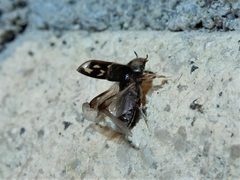
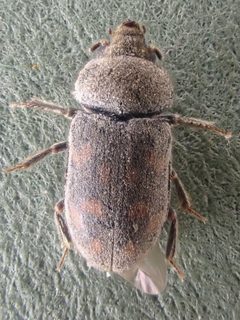
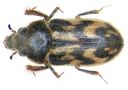
Heterocerus is a of small beetles in the Heteroceridae, containing at least 20 described . Species in this genus are known for constructing burrows in sandy or muddy substrates, with burrow varying significantly with substrate water content and consistency. The genus has a broad geographic distribution spanning North America, South America, and Europe. and larvae both participate in burrow construction. Specific ecological details remain poorly documented for most species.
Pronunciation
How to pronounce Heterocerus: /ˌhɛtɛroʊˈsɪrəs/
These audio files are automatically generated. While they are not always 100% accurate, they are a good starting point.
Identification
Members of Heterocerus can be distinguished from other heterocerid by examination of male genitalia and elytral coloration patterns. Some South American exhibit distinctive mandibular processes in males. Positive identification to species level requires detailed morphological examination; elytral color patterns show intraspecific variability and may not be reliable diagnostic characters alone.
Images
Habitat
Sandy or muddy substrates with variable moisture content; riverbanks, lake margins, and other riparian or semi-aquatic environments. Substrate consistency, particularly water content, significantly influences burrow construction .
Distribution
North America (documented in northeastern Kansas and broadly across the continent); South America (Argentina and other regions); Europe (Denmark, Norway, Sweden); United States (Vermont and other states).
Life Cycle
Both and larval stages construct burrows in substrate. Specific details on , pupal stages, or developmental duration are not documented in available sources.
Behavior
Constructs burrow structures for foraging or shelter; burrow varies with substrate water content and consistency. Different individuals and potentially different can create superficially similar burrows at the same site.
Ecological Role
Creates foraging traces and burrow structures in sandy and muddy substrates; contributes to substrate bioturbation. Burrows may serve as paleoecological indicators, though definitive attribution to Heterocerus in fossil records requires exceptional preservation or associated body parts.
Similar Taxa
- Other Heteroceridae generaSuperficially similar burrow morphologies and preferences; require examination of male genitalia and detailed morphological characters for differentiation
- Other burrowing insects (various Coleoptera and other orders)Can produce superficially similar burrows at the same field sites; positive identification requires associated body parts or exceptional preservation
More Details
Taxonomic note
The name is correctly spelled Heteroceridae, though some sources contain typographical errors (e.g., 'Neteroceridae' in one cited paper title).
Sources and further reading
- BugGuide
- Wikipedia
- GBIF taxonomy match
- iNaturalist taxon
- NCBI Taxonomy
- Catalogue of Life
- Variability and distribution Heterocerus four South American species (Coleoptera, Neteroceridae, Neterocerini)
- Dynamique des populations de méligèthes, Brassicogethes aeneus Fabr. (Coleoptera, Nitidulidae) et de son principal parasitoïde, Tersilochus heterocerus Thomson (Hymenoptera, Ichneumonidae) en fonction de l’hétérogénéité des paysages agricoles
- Observations on the tunnel morphology of Heterocerus brunneus Melsheimer (Coleoptera: Heteroceridae) and its paleoecological significance
- Nutritional state of the pollen beetle parasitoid Tersilochus heterocerus foraging in the field