Ordobrevia
Sanderson, 1953
Species Guides
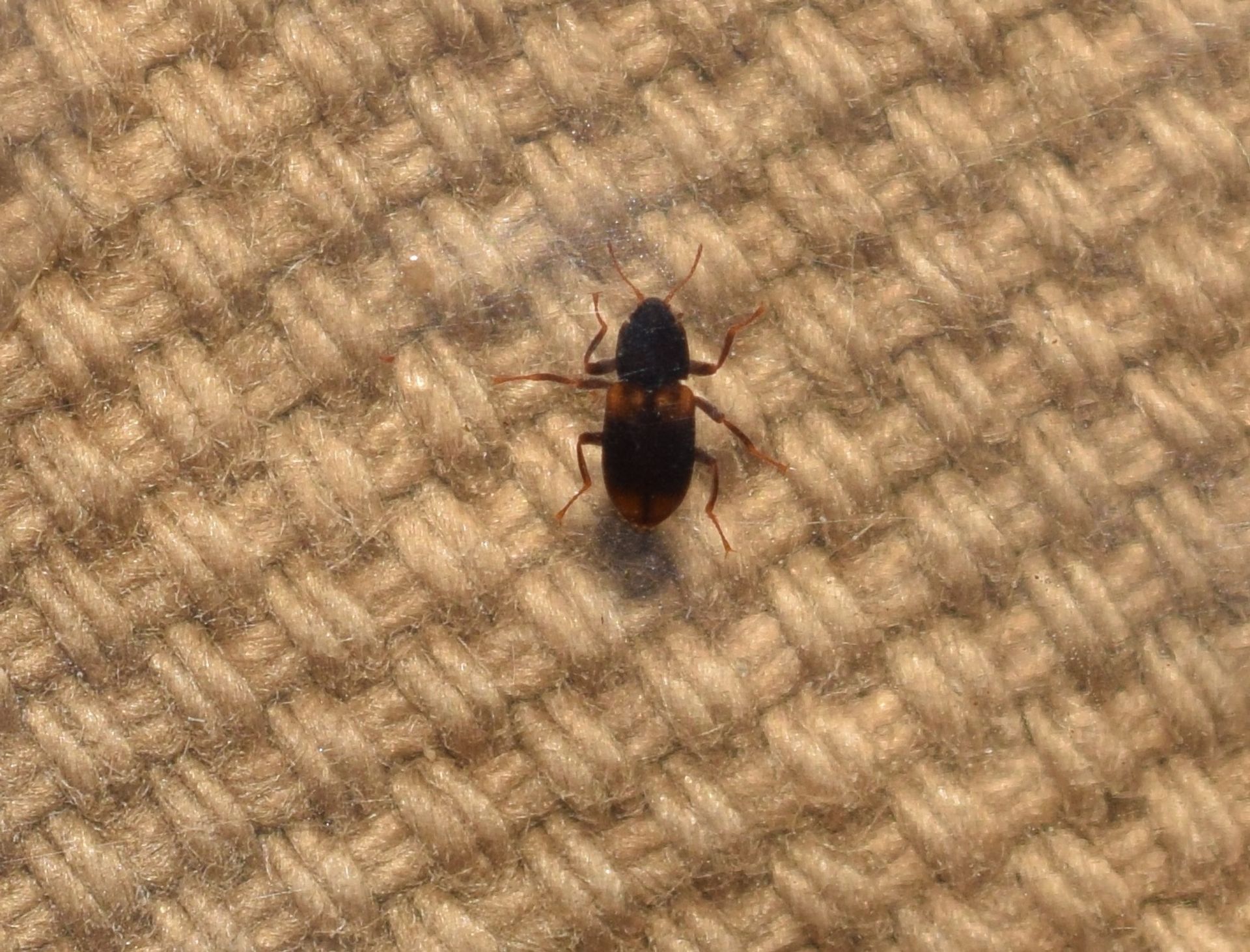
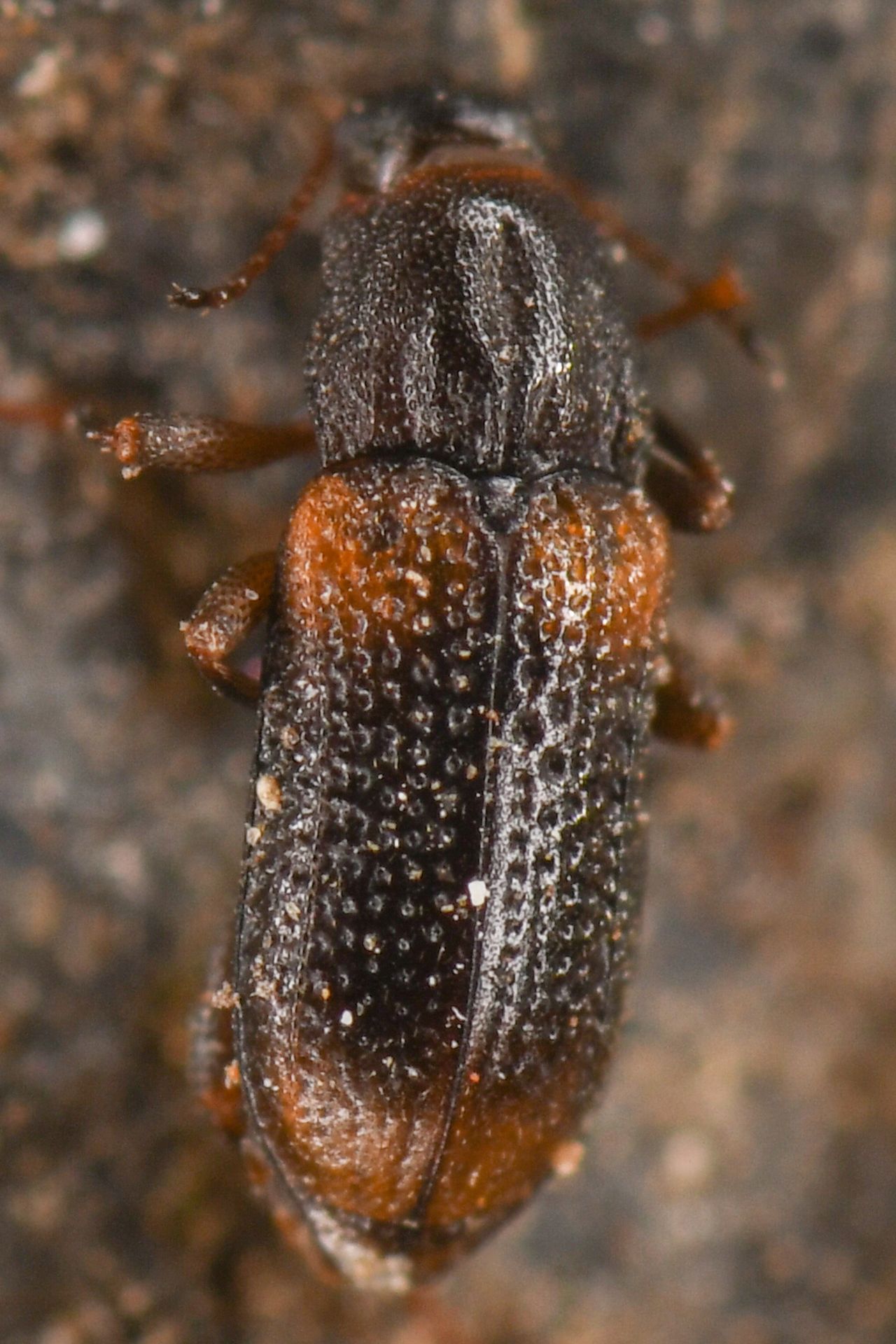
1Ordobrevia is a of riffle beetles in the Elmidae, established by Sanderson in 1953. The genus contains approximately 11 described distributed across multiple regions including North America and East Asia. Like other elmid beetles, members of this genus are associated with aquatic , particularly flowing water environments.

Pronunciation
How to pronounce Ordobrevia: //ˌɔːrdəˈbriːviə//
These audio files are automatically generated. While they are not always 100% accurate, they are a good starting point.
Images
Habitat
Riffle beetles in the Elmidae, including Ordobrevia, are associated with freshwater lotic environments—streams and rivers with flowing water. and larvae typically inhabit submerged substrates such as rocks, woody debris, and gravel in well-oxygenated water.
Distribution
of Ordobrevia have been recorded from North America (including the type species O. nubifer described from the United States) and East Asia (Japan, with species such as O. amamiensis and O. gotoi). The has a trans-Pacific disjunct distribution pattern.
Life Cycle
Elmid beetles, including those in Ordobrevia, have aquatic larvae that develop submerged in flowing water. Larvae typically feed on periphyton and detritus before pupating, with also remaining in aquatic . Specific developmental details for Ordobrevia are not well documented.
Behavior
riffle beetles remain submerged using respiration—trapping air beneath specialized body hairs to extract oxygen from water. This allows extended underwater activity without surfacing.
Ecological Role
As primary consumers, elmid larvae graze on periphyton and organic material, contributing to nutrient cycling in stream . They serve as bioindicators of water quality due to their sensitivity to oxygen levels and pollution.
Human Relevance
Ordobrevia have no direct economic importance. They may be used as indicators in biomonitoring programs assessing stream health and water quality.
Similar Taxa
- Other Elmidae genera (e.g., Elmis, Stenelmis)Ordobrevia can be distinguished from related by specific combinations of pronotal and elytral characteristics, though precise diagnostic features require examination. The genus was established based on distinct morphological traits separating it from previously described elmine genera.
More Details
Taxonomic history
Ordobrevia was established by Sanderson in 1953 to accommodate previously placed in other . The genus name reflects its ordinal position and relationship to Brevia (now a synonym of another elmid genus). Several species were transferred from other genera upon its establishment.
Species diversity
The contains approximately 11 described , though this number may require revision pending taxonomic review. Species are known from the United States, Japan, and potentially other regions of East Asia.