
Cylloepus parkeri
Sanderson, 1953
Parker's cylloepus riffle beetle
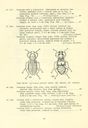
Cylloepus parkeri is a of riffle beetle in the Elmidae, described by Sanderson in 1953. It is known from North America and belongs to a group of beetles specialized for living in fast-flowing aquatic environments. The species epithet honors an individual with the surname Parker.
Pronunciation
How to pronounce Cylloepus parkeri: /sɪˈloʊɪpəs ˈpɑrkəraɪ/
These audio files are automatically generated. While they are not always 100% accurate, they are a good starting point.
Images
Habitat
Riffle beetles in the Elmidae are specialized for life in fast-flowing freshwater , particularly in riffle zones of streams and rivers where water flows rapidly over rocky or gravel substrates. Members of the Cylloepus are typically found in lotic (flowing water) environments.
Distribution
North America. Specific records are sparse in the provided sources.
Diet
Larval elmid beetles are generally or herbivores, feeding on , detritus, and other organic matter scraped from submerged surfaces in fast-flowing water. of many elmid have reduced mouthparts and may not feed regularly, though some consume algae and biofilms.
Life Cycle
Elmid beetles have aquatic larvae that develop in fast-flowing streams. Larvae typically possess well-developed gills and cling to submerged substrates. occurs in moist areas near the waterline, and are generally found in or immediately adjacent to their aquatic larval .
Behavior
Riffle beetles are well-adapted to life in fast currents. They are typically found clinging to rocks, wood, or other submerged substrates in flowing water. are capable of swimming and crawling underwater but generally remain in swift-flowing .
Ecological Role
Elmid beetles contribute to nutrient cycling in freshwater through their detritivorous and herbivorous feeding habits. They serve as food sources for fish and other aquatic . Their presence is often used as an indicator of good water quality, as they are sensitive to pollution and degradation.
Human Relevance
Riffle beetles including Cylloepus are occasionally used as bioindicators of stream health and water quality. They have no direct economic importance to humans.
More Details
Taxonomic history
Described by Sanderson in 1953. The specific epithet 'parkeri' is a patronym honoring an individual named Parker, though the exact identity of this person is not specified in the provided sources.
Conservation status
No specific conservation assessment is available in the provided sources. Many riffle beetle are vulnerable to degradation from water pollution, dam construction, and stream channelization.