
Cytilus
Erichson, 1847
pill beetles
Species Guides
2- Cytilus alternatus(pill beetle)
- Cytilus mimicus(Mimic Pill Beetle)
Cytilus is a of pill beetles in the Byrrhidae, established by Erichson in 1847. The genus contains approximately eight described distributed across the Northern Hemisphere, including North America, Europe, and East Asia. Pill beetles in this genus are characterized by their ability to conglobate—curl into a compact ball when disturbed—a defensive that gives the group its .
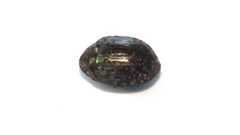
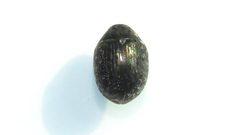
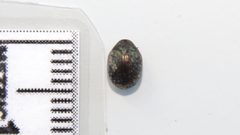
Pronunciation
How to pronounce Cytilus: /ˈsɪtɪləs/
These audio files are automatically generated. While they are not always 100% accurate, they are a good starting point.
Identification
Members of Cytilus can be distinguished from other Byrrhidae by their compact, rounded body form adapted for conglobation. The genus is most reliably identified by examination of specific morphological characters including the structure of the tarsal claws and the form of the prosternal process, though these features require detailed examination. -level identification within Cytilus generally requires reference to original descriptions and comparison of .
Images
Habitat
in this are typically found in moist terrestrial environments. Cytilus alternatus has been observed in mossy areas and along stream margins. The genus as a whole appears to favor with abundant decaying plant matter and stable humidity conditions.
Distribution
The has a transcontinental distribution in the Northern Hemisphere. Records include: Europe (Denmark, Norway, Sweden), North America (United States including Vermont), and East Asia (Japan, represented by C. kanoi). The fossil C. tartarinus is known from Pliocene deposits.
Behavior
Conglobation—rolling into a tight ball when disturbed—is the defining behavioral trait of this and the broader pill beetle group. This defensive posture protects the body surfaces and appendages from and desiccation.
Ecological Role
As members of the Byrrhidae , in this likely contribute to decomposition processes in their , processing decaying plant material. Their specific ecological functions within Cytilus have not been individually documented.
Similar Taxa
- ByrrhusAnother in Byrrhidae; distinguished by differences in body proportions and the structure of the prosternal process, with Cytilus generally more rounded in form.
- MorychusOverlapping distribution in some regions; requires examination of tarsal structure and body shape for separation from Cytilus.
More Details
Fossil record
Cytilus tartarinus Scudder, 1900 is known from Pliocene deposits, indicating the has persisted for several million years with relatively conserved .