
Vrilletta
J.L. LeConte, 1874
Species Guides
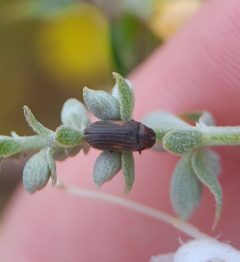
4Vrilletta is a of small beetles in the Ptinidae (formerly Anobiidae), containing 10 described distributed primarily in North America. The genus was established by J.L. LeConte in 1874 and is classified within the Xyletininae. Species are recorded from western and eastern North America, with several to California. These beetles are associated with dead wood and woody materials.
Pronunciation
How to pronounce Vrilletta: /vɹɪˈlɛtə/
These audio files are automatically generated. While they are not always 100% accurate, they are a good starting point.
Identification
Members of Vrilletta can be distinguished from related by their small size, cylindrical body form, and antennal structure typical of Xyletininae. The pronotum is generally rounded and lacks the pronounced hood or collar found in some other Ptinidae genera. Specific identification to level requires examination of genitalia and detailed body proportions.
Images
Habitat
in this inhabit environments with dead wood, including forested areas, woodpiles, and structures containing seasoned timber. They are associated with dry, decaying wood and woody debris.
Distribution
North America, with recorded from California, the Pacific Northwest, eastern United States, and Canada. Specific distribution varies by species: Vrilletta californica and V. blaisdelli are California endemics; V. murrayi and V. convexa have broader eastern and central distributions.
Ecological Role
Decomposers of dead wood; contribute to nutrient cycling in forest by breaking down lignified plant material.
Human Relevance
Some occasionally occur in stored wood products and structures, though they are not considered major pests. Vrilletta blaisdelli has been noted from buildings.
Similar Taxa
- XyletinusAlso in tribe Xyletinini with similar cylindrical body form; Vrilletta generally smaller with less pronounced pronotal structure
- LasiodermaFormerly in same (Anobiidae); Lasioderma includes stored product pests like the cigarette beetle with more rounded body and different antennal club
- PtinusIn same but different (Ptininae); Ptinus have more elongate bodies and different antennal insertion