Lichenophanes
Lesne, 1899
horned powder-post beetles
Species Guides
7- Lichenophanes arizonicus
- Lichenophanes armiger(horned powder-post beetle)
- Lichenophanes bicornis(Two-horned Powder-post Beetle)
- Lichenophanes californicus(horned powder-post beetle)
- Lichenophanes fasciculatus(horned powder-post beetle)
- Lichenophanes mutchleri
- Lichenophanes truncaticollis(horned powder-post beetle)
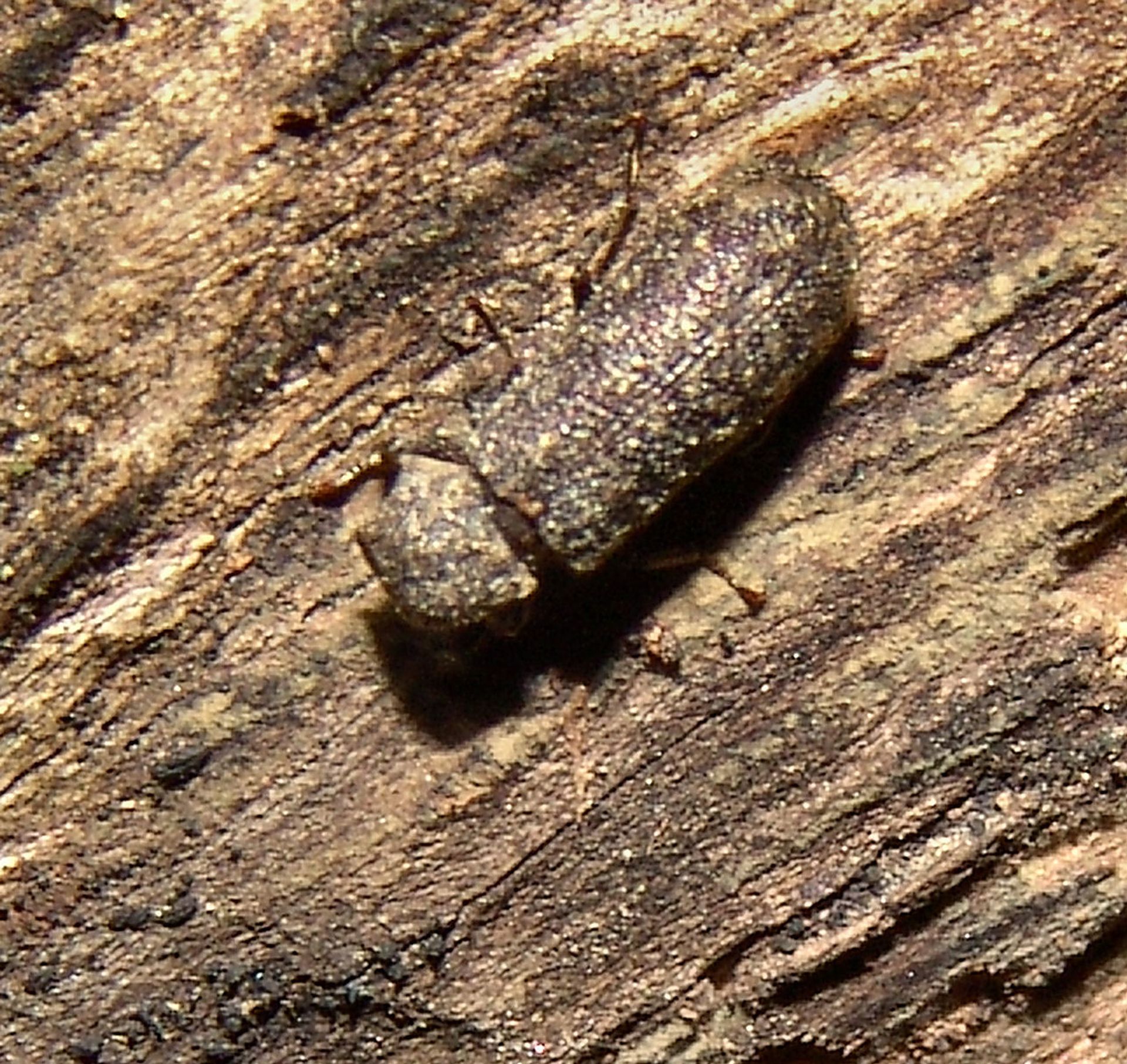
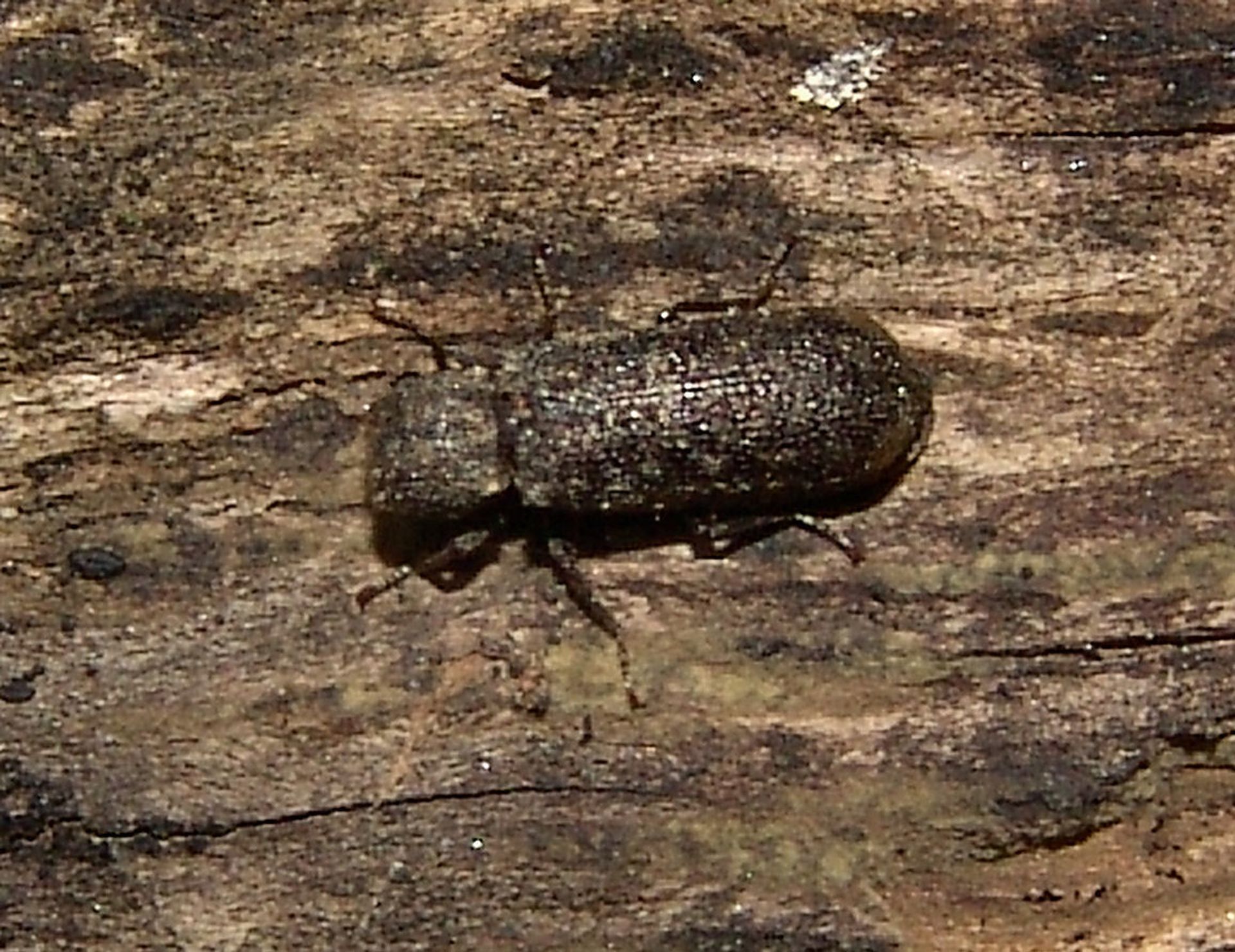
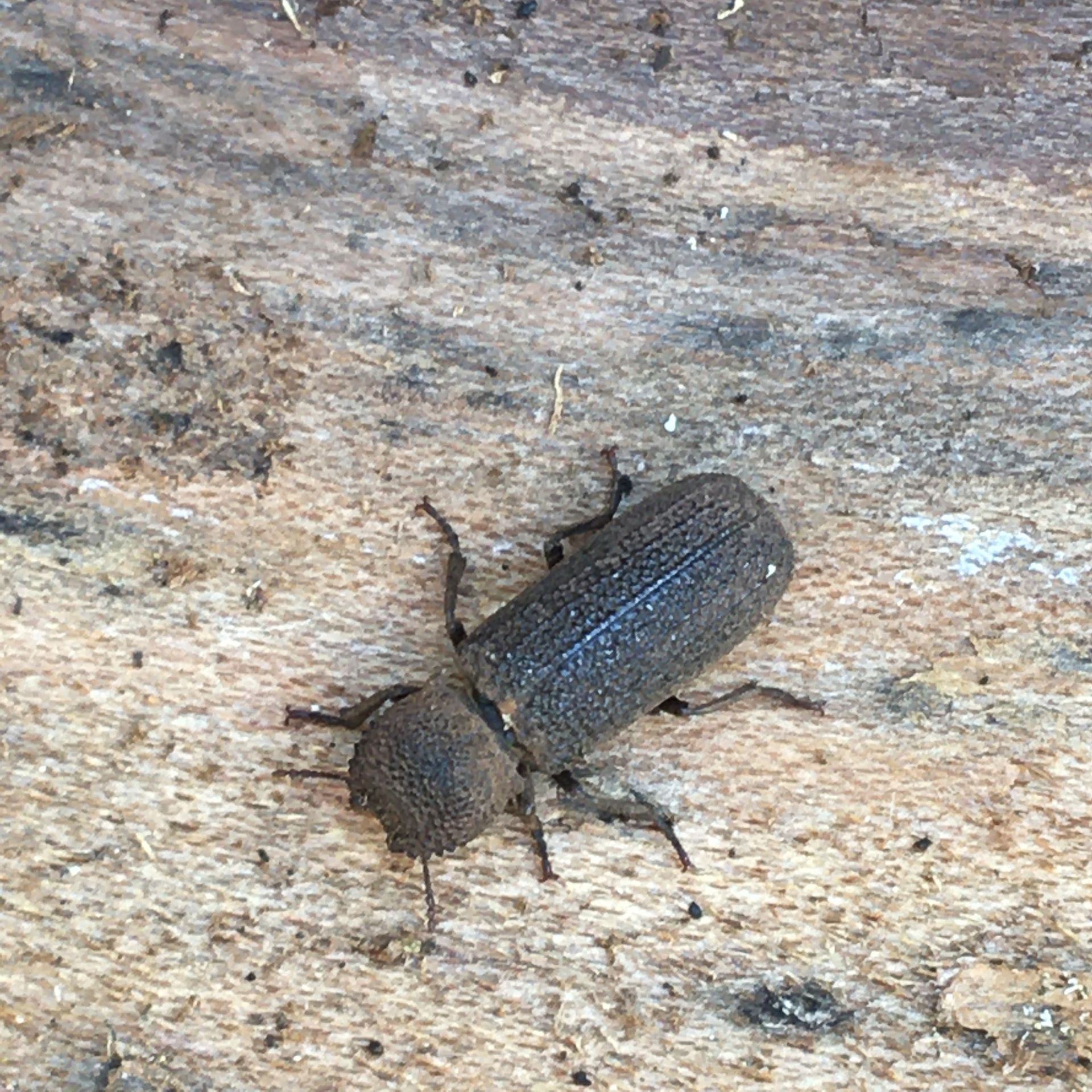
Lichenophanes is a of horned powder-post beetles in the Bostrichidae, established by Lesne in 1899. The genus contains more than 40 described distributed across the Palaearctic, Oriental, and Nearctic regions. Species are wood-borers that develop in dead hardwood trees during initial stages of fungal decomposition. are attracted to artificial light and possess cryptic coloration that camouflages them in bark cracks during daylight hours.
Pronunciation
How to pronounce Lichenophanes: /lɪˈkɛnəˌfeɪniːz/
These audio files are automatically generated. While they are not always 100% accurate, they are a good starting point.
Images
Habitat
Dead hardwood trees, specifically trunks and branches in initial stages of fungi-caused decomposition. hide in bark cracks, wood slots, holes left by other insects, and under protruding bark on trees during daylight.
Distribution
Western Palaearctic (three and one : L. varius varius, L. varius turanicus, L. numida, L. juxtaorientalis), Eastern Palaearctic (one species: L. carinipennis), Oriental region (one species: L. carinatus), and North America (multiple species including records from Vermont and the southwestern United States). Specific localities include Cyprus, Crete, Syria, Central and Southern Europe, Turkey, Iran, Middle East, and various U.S. states.
Seasonality
active June–July in the Palaearctic region; activity periods likely vary by region and .
Diet
Hardwood in initial stage of fungi-caused decomposition (larval stage); feeding habits not explicitly documented.
Life Cycle
Develops mainly in trunks and branches of dead trees. Larvae feed on hardwood in initial stages of fungal decomposition.
Behavior
; fly well; attracted to artificial light sources. hide on trees during day, using cryptic coloration to camouflage in bark cracks, wood slots, or under protruding bark.
Ecological Role
Decomposer of dead hardwood trees in initial stages of fungal decomposition; contributes to nutrient cycling in forest .
Human Relevance
May be encountered by entomologists and naturalists during collecting at lights; not known to be economically significant as a pest.