
Neoclypeodytes cinctellus
(LeConte, 1852)
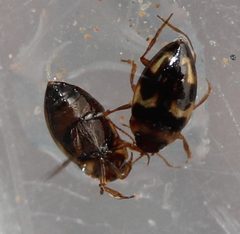
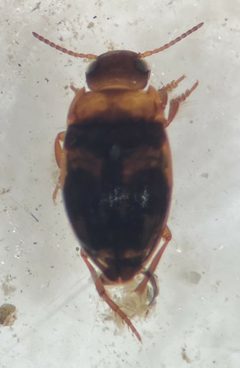
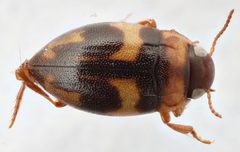
Neoclypeodytes cinctellus is a small predaceous diving beetle in the Dytiscidae. It is distributed across western North America and northern Central America. The has been documented as a of the critically endangered Devils Hole pupfish (*Cyprinodon diabolis*), representing a notable conservation concern. It was formerly described under the name *N. centralis* before being synonymized.
Pronunciation
How to pronounce Neoclypeodytes cinctellus: /niːoʊˌklaɪpiːoʊˈdaɪtiːz sɪŋkˈtɛləs/
These audio files are automatically generated. While they are not always 100% accurate, they are a good starting point.
Identification
Distinguished from by distinctive brown patterning on the and . The *Neoclypeodytes* is characterized by a pattern of two maculae on each , which serves as a possible synapomorphy for the group. A key to is available in the taxonomic revision by Miller (2001).
Images
Distribution
Western North America and northern Central America; records extend into the Neotropics.
Diet
. Documented as a predator of the critically endangered Devils Hole pupfish (*Cyprinodon diabolis*).
Ecological Role
in aquatic . Its documented on the Devils Hole pupfish suggests potential significance as a threat to endangered fish in restricted aquatic .
Human Relevance
Conservation concern due to on the critically endangered Devils Hole pupfish, which has an extremely restricted range in a single thermal spring in Nevada, USA.
Similar Taxa
- Neoclypeodytes centralisJunior synonym; formerly treated as distinct but synonymized with *N. cinctellus*
- Other Neoclypeodytes species contains 25 valid ; identification requires reference to Miller (2001) revision and examination of male genitalia and elytral maculation patterns