
Liodessus flavicollis
(LeConte, 1855)
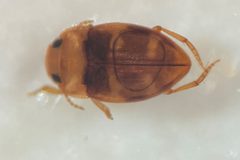
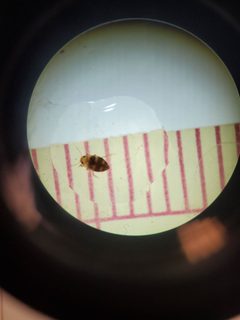
Liodessus flavicollis is a of predaceous diving beetle (Coleoptera: Dytiscidae) described by LeConte in 1855. The species belongs to the tribe Bidessini within the Hydroporinae, a group of small diving beetles commonly found in freshwater . The specific epithet flavicollis refers to the yellowish coloration of the pronotum. The Liodessus contains numerous small-bodied species that are often challenging to distinguish without detailed examination.
Pronunciation
How to pronounce Liodessus flavicollis: /li.ɔˈde.sus fla.vɪˈkɔl.lɪs/
These audio files are automatically generated. While they are not always 100% accurate, they are a good starting point.
Identification
Distinguished from other Liodessus by the combination of yellowish pronotal coloration and specific elytral patterning; accurate identification requires examination of male genitalia and other fine structural characters; may be confused with other Bidessini members but the flavicollis name specifically references the yellow collar
Images
Habitat
Freshwater aquatic environments including ponds, marshes, and slow-moving waters; typical of small dytiscid preferences
Distribution
North America; recorded from Canada (Manitoba, Ontario) and presumably present in northern United States given the range of related
Ecological Role
in freshwater aquatic as characteristic of Dytiscidae; likely preys on small aquatic
Similar Taxa
- Other Liodessus speciesMany share similar small size and aquatic habits; require detailed morphological examination for separation
- Other Bidessini generaMembers of this tribe share small body size and streamlined form; Liodessus typically distinguished by specific antennal and pronotal characteristics
More Details
Taxonomic Note
The was originally described by John Lawrence LeConte in 1855, a prolific American entomologist who described thousands of species. The name flavicollis (yellow-necked) directly describes the most conspicuous color feature of this beetle.
Collection Records
GBIF records indicate presence in Manitoba and Ontario, Canada, with broader North American distribution inferred. The is represented by relatively few observations (8 records in iNaturalist), suggesting it may be under-recorded, genuinely uncommon, or difficult to identify in the field.