
Dytiscus verticalis
Say, 1823
Vertical Diving Beetle
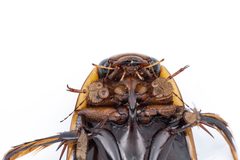
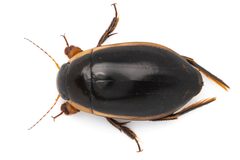
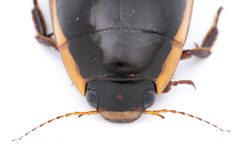
Dytiscus verticalis is a of predaceous diving beetle in the Dytiscidae. As a member of the Dytiscus, it is among the largest diving beetles in North America. The species inhabits freshwater aquatic systems and, like other members of its genus, is an active in both larval and stages. The specific epithet 'verticalis' refers to a characteristic morphological feature of this species.
Pronunciation
How to pronounce Dytiscus verticalis: /daɪˈtɪskəs vɜrˈtɪkəlɪs/
These audio files are automatically generated. While they are not always 100% accurate, they are a good starting point.
Images
Habitat
Freshwater aquatic including ponds, lakes, and slow-moving streams. As a diving , it requires permanent or semi-permanent water bodies with adequate prey .
Distribution
North America. Documented occurrences include Canadian provinces of Manitoba and New Brunswick, with broader distribution across the continent.
Diet
. As with other Dytiscus , both larvae and are active of aquatic and small vertebrates. Prey items typically include other aquatic insects, tadpoles, and small fish.
Behavior
are capable of and disperse between water bodies. They are strong swimmers using their modified hind legs as paddles. Adults must surface periodically to replenish air supplies stored beneath the .
Ecological Role
Apex in freshwater microhabitats. Larvae and regulate of other aquatic organisms. The serves as prey for larger aquatic predators and contributes to nutrient cycling in freshwater .
Human Relevance
Like other large diving beetles, may be used as fishing in some regions. Occasionally encountered by aquatic biologists and water quality monitoring programs. No significant economic impact documented.
Similar Taxa
- Other Dytiscus speciesDytiscus verticalis can be distinguished from by the vertical orientation of certain body structures (as implied by the specific epithet), though precise diagnostic features require examination of specimens.
More Details
Taxonomic history
First described by Thomas Say in 1823, one of the earliest American entomologists. The has remained in the Dytiscus without subspecific division.