
Anillinus albrittonorum
Sokolov & Schnepp, 2021
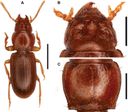
Anillinus albrittonorum is a of minute ground beetle described in 2021. It belongs to the tribe Anillini, a group of tiny, eyeless, wingless beetles adapted to subterranean or soil-dwelling . The species was named in honor of the Albritton . Like other members of its , it is presumed to inhabit deep soil and leaf litter layers.
Pronunciation
How to pronounce Anillinus albrittonorum: //ænɪˈlaɪnəs ælˌbrɪtənˈɔːrəm//
These audio files are automatically generated. While they are not always 100% accurate, they are a good starting point.
Identification
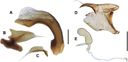
Distinguished from other Anillinus by subtle morphological features of the male genitalia and body proportions, as detailed in the original description. Requires examination by a familiar with the .
Images
Habitat
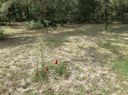
Deep soil, leaf litter, and subterranean microhabitats; specific substrate preferences unknown.
Distribution
Type locality and precise geographic range not specified in available sources; Anillinus is primarily distributed in eastern North America with highest diversity in the Appalachian region.
Behavior
Presumed to be a slow-moving, burrowing in soil and litter microhabitats based on characteristics.
Ecological Role
Likely contributes to nutrient cycling and preys on small soil-dwelling ; specific role unstudied.
Human Relevance
Named to honor the Albritton 's contributions; no direct economic or agricultural significance known.
Similar Taxa
- Other Anillinus speciesMorphologically similar minute, eyeless beetles; requires dissection and expert examination to distinguish.
- Other Anillini genera (e.g., Anillodes, Serranillus)Share reduced and wingless condition; differ in body proportions, setation patterns, and male genitalia.
More Details
Etymology
Named after the Albritton , though specific individuals honored are not detailed in available sources.
Taxonomic recency
Described in 2021, making it one of the more recently named in this diverse .