
Anillina
Jeannel, 1937
Genus Guides
4A subtribe of minute ground beetles (Carabidae: Bembidiini) characterized by reduced , elongated appendages, and adaptations for subterranean or cryptic . Members exhibit convergent morphological traits associated with life in soil, leaf litter, or caves. The subtribe includes distributed across southern Gondwanan landmasses including New Zealand, Madagascar, and Australia, as well as the Northern Hemisphere.
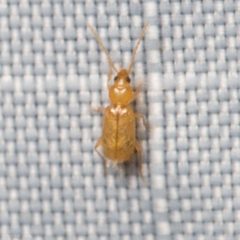
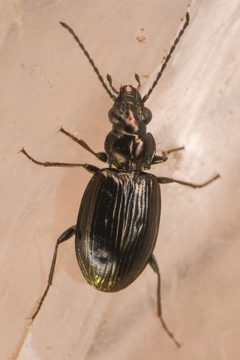
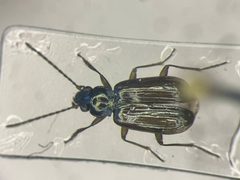
Pronunciation
How to pronounce Anillina: /ænɪˈlaɪnə/
These audio files are automatically generated. While they are not always 100% accurate, they are a good starting point.
Identification
Minute body size (typically under 3 mm); reduced or absent; elongated legs and relative to body; body form often slender and somewhat flattened. These traits distinguish Anillina from other Bembidiini, though definitive identification requires examination of genitalic characters, particularly structures of the ovipositor such as the shape of gonocoxite 2.
Images
Habitat
Soil, leaf litter, and subterranean environments including caves and mesovoid shallow substratum (MSS); associated with moist, stable microhabitats that buffer against environmental extremes.
Distribution
Disjunct distribution across southern Gondwanan regions (New Zealand, Madagascar, Australia) and Northern Hemisphere (Europe, North America); specific records include Central Spain (province of Toledo) and New Zealand (North and South Islands).
Life Cycle
Larvae possess reduced and elongated appendages similar to ; larval stages morphologically conserved within , with some showing larval forms indistinguishable from .
Ecological Role
Predatory components of soil and litter ; contribute to nutrient cycling and prey on microarthropods in cryptic .
Similar Taxa
- Other Bembidiini subtribesAnillina distinguished by reduced , elongated appendages, and small size; other subtribes generally have better-developed eyes and more robust body proportions.
- Other Carabidae tribesTribe-level characters of Bembidiini, including particular structures of the male genitalia and larval mouthparts, separate Anillina from tribes such as Trechini or Pogonini.