Omophron dentatum
LeConte, 1852
Toothed Round Sand Beetle
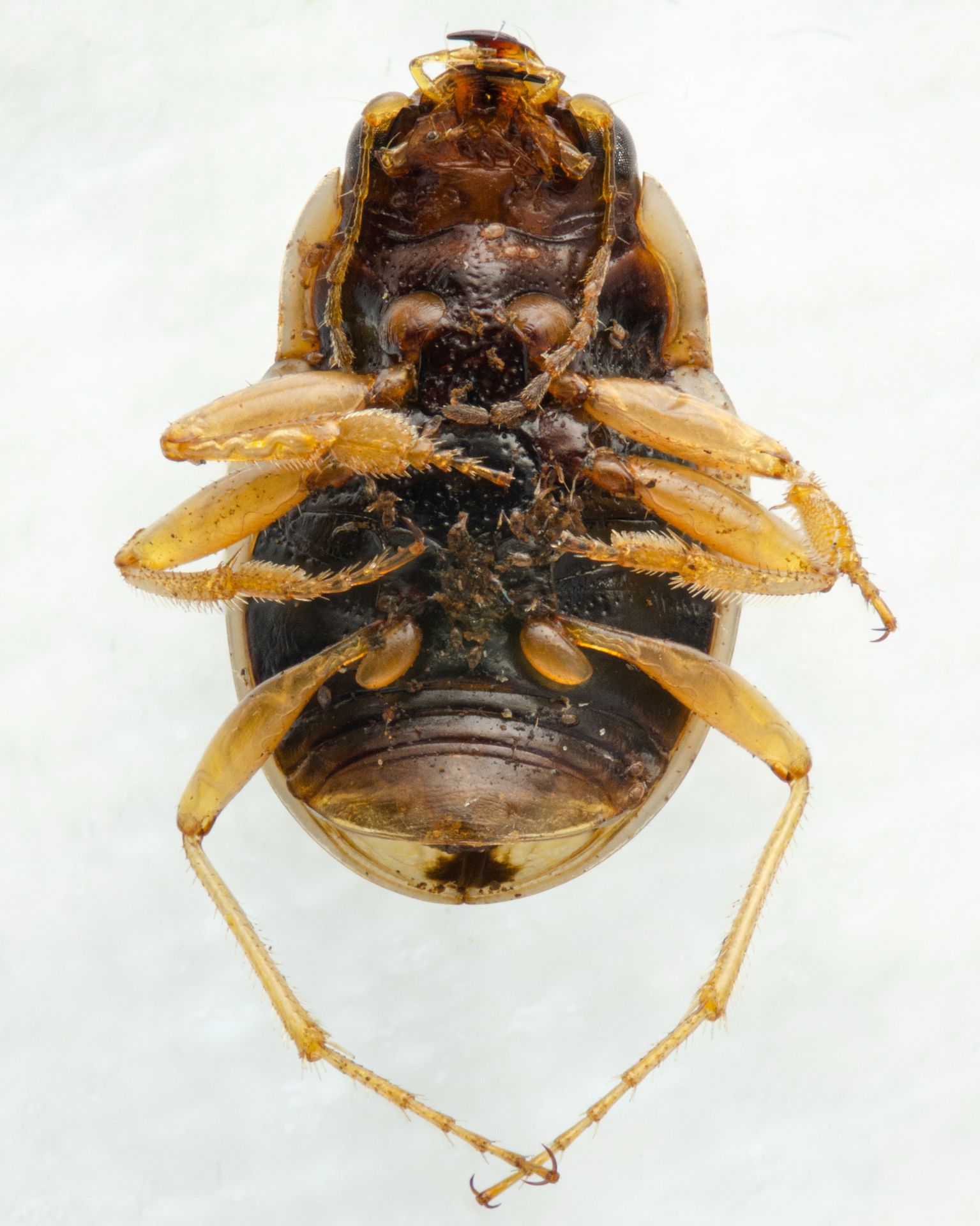
Omophron dentatum, known as the toothed round sand , is a ground beetle in the Carabidae. It occurs in Central America and western North America, including California and Baja California. are and both life stages construct burrows in sandy substrates near water margins. The is associated with riparian at the edges of rivers, brooks, and ponds.
Pronunciation
How to pronounce Omophron dentatum: /ɒˈmɒfrɒn dɛnˈteɪtəm/
These audio files are automatically generated. While they are not always 100% accurate, they are a good starting point.
Identification
The epithet "dentatum" (toothed) refers to diagnostic tooth-like structures, likely on the or elytral margins, that distinguish this species from . Members of the Omophron are recognized by their rounded, compact body form—unlike the more elongate typical ground beetles—and their association with sandy aquatic margins.
Images
Habitat
Margins of rivers, brooks, and ponds in sandy substrates. Both larvae and construct burrows in the ground for daytime .
Distribution
Central America; North America: California and Baja California (USA and Mexico). GBIF records confirm presence in Mexico and the United States.
Life Cycle
are . Larvae and adults dig burrows in which they hide during daylight hours. Specific developmental stages and duration have not been documented.
Behavior
activity pattern. Both larvae and excavate burrows for shelter. This burrowing is an to avoid desiccation and in exposed riparian sand .
Similar Taxa
- Other Omophron speciesShare the rounded body form and riparian sand , but O. dentatum is distinguished by tooth-like structures referenced in its specific epithet.
- Typical Carabidae (elongate ground beetles)Omophron have a compact, rounded body shape unlike the more familiar elongate form of most ground beetles, and are specialized for sandy aquatic margins rather than general ground .
More Details
Taxonomic note
The Omophron is sometimes placed in the Omophroninae due to its distinctive , though it is here treated within Carabidae sensu lato.