Omophroninae
Bonelli, 1810
Tribe Guides
1Omophroninae is a of ground beetles (Carabidae) containing a single extant , *Omophron*. The subfamily is primarily distributed in the Northern Hemisphere, with southern limits in Central America, the Caribbean, southern Africa, Madagascar, and Southeast Asia. In Ukraine, at least one has been documented from meadow-steppe .
Pronunciation
How to pronounce Omophroninae: /oʊˌmɒfrəˈnaɪni/
These audio files are automatically generated. While they are not always 100% accurate, they are a good starting point.
Identification
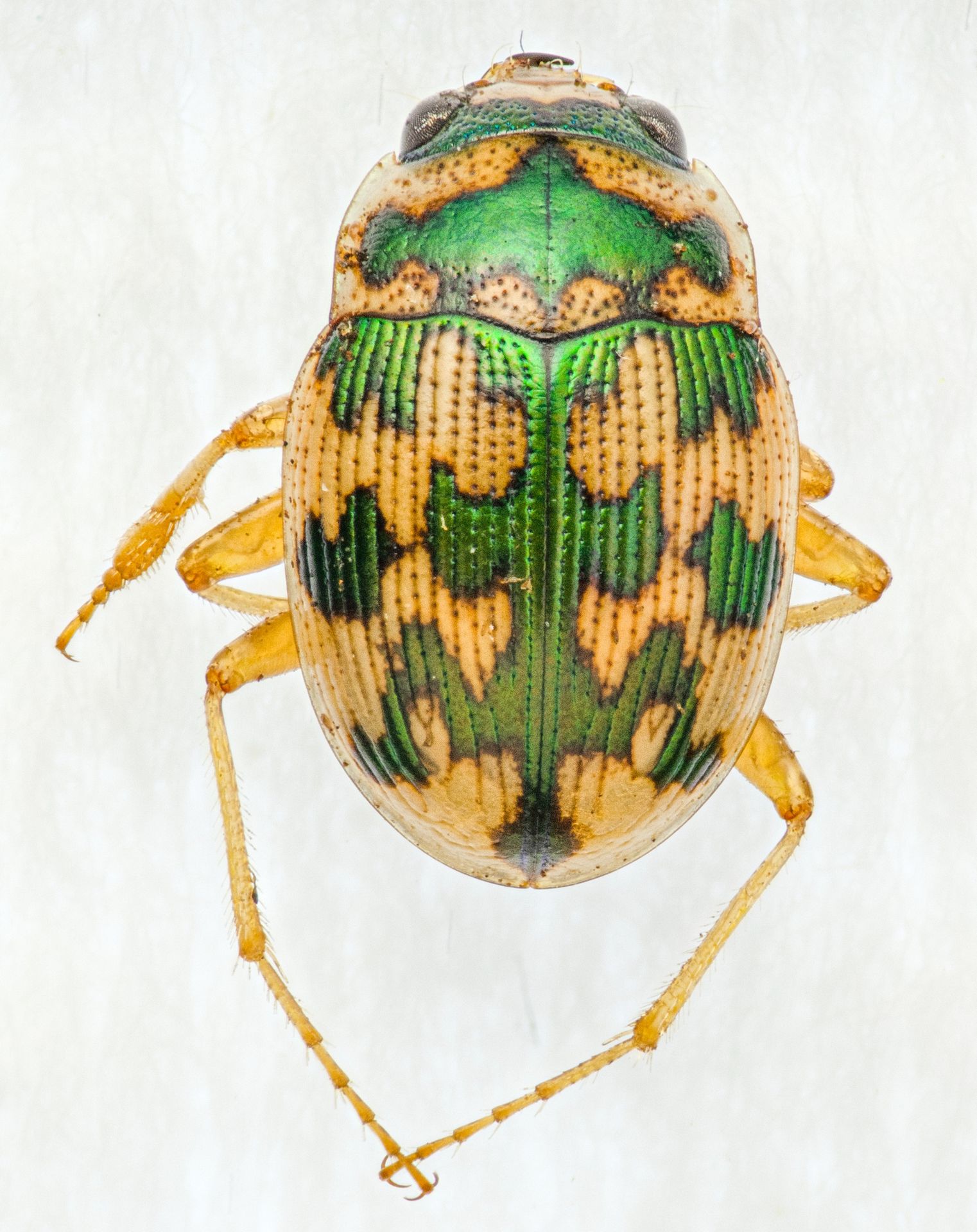
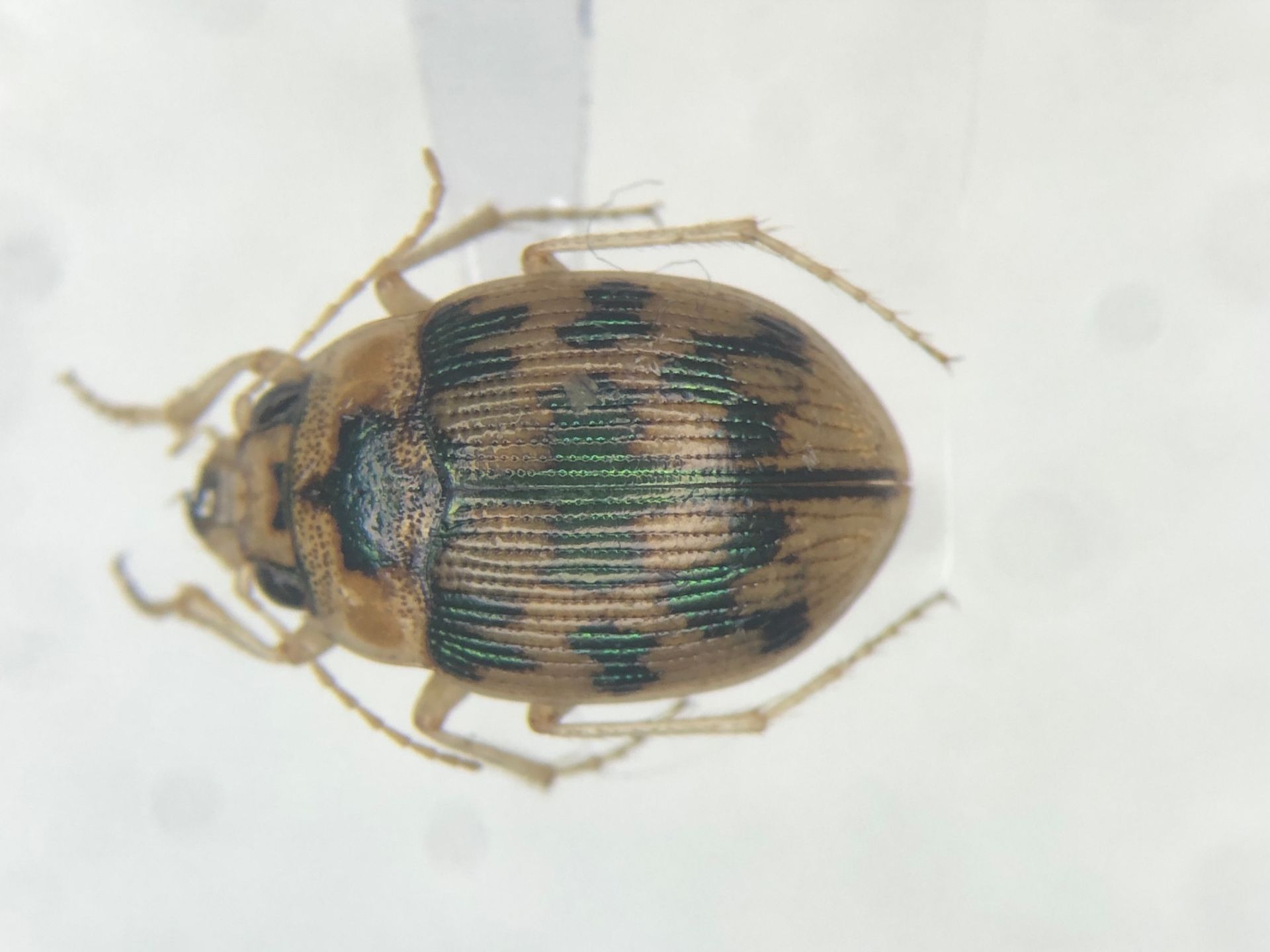
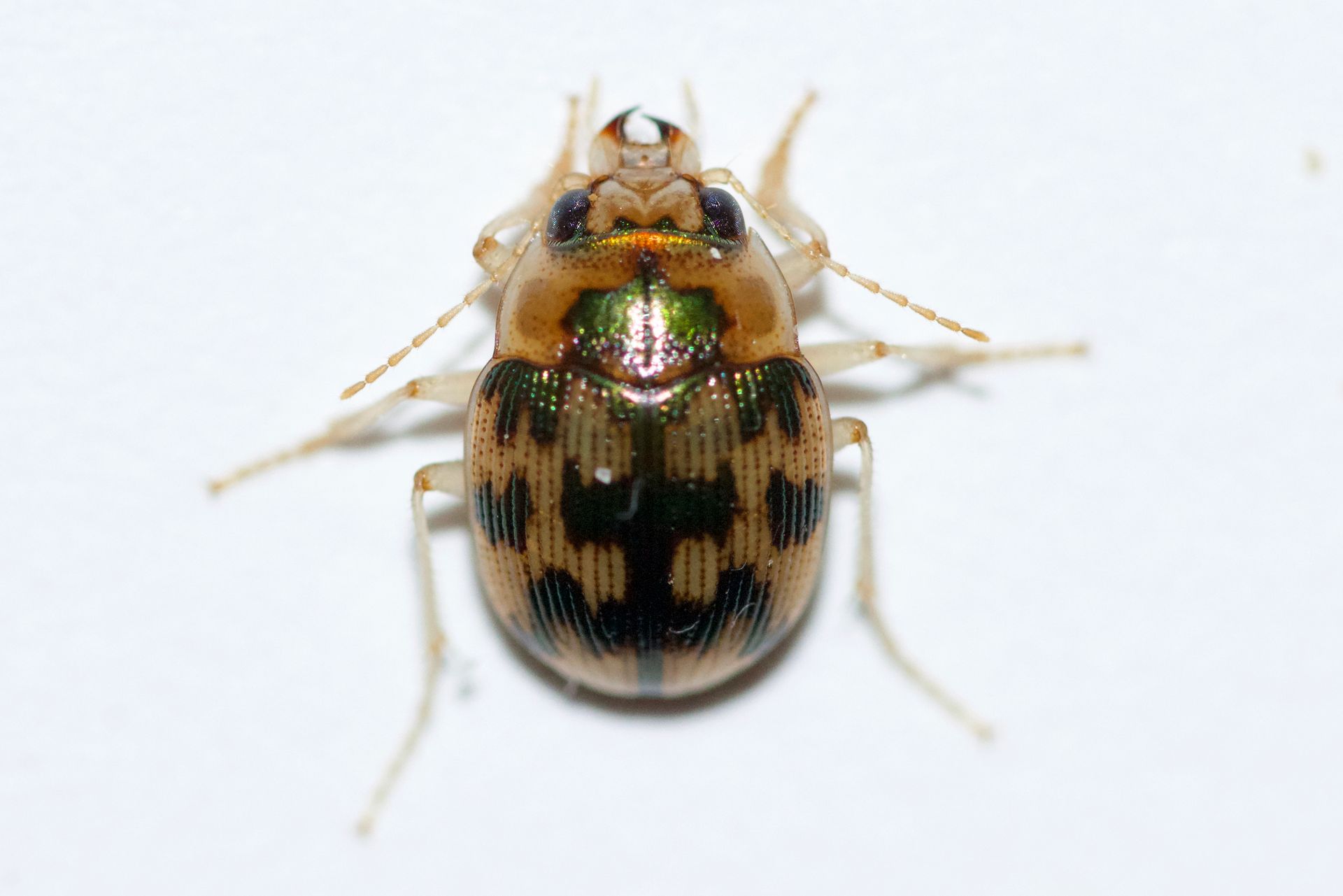
Members of Omophroninae can be distinguished from other Carabidae by their rounded, convex body shape and short that leave several abdominal tergites exposed. The pronotum is notably broad and rounded, often nearly as wide as the base of the elytra. These beetles have relatively short legs and compared to most ground beetles.
Images
Habitat
Meadow-steppe in the Pivnichne Podillia region of Ukraine. The broader distribution includes various open, often sandy or moist habitats across temperate and subtropical regions of the Northern Hemisphere.
Distribution
Primarily Northern Hemisphere: North America (south to Guatemala), Europe, Asia (south to Malaysia and Philippines), and Africa (South Africa and Madagascar). In Ukraine, documented from Pivnichne Podillia National Nature Park and adjacent areas in the northwestern Podolian Upland.
Ecological Role
Component of ground beetle diversity in meadow-steppe ; presence documented as part of broader Carabidae assessments.
Similar Taxa
- CarabinaeBoth are of Carabidae, but Omophroninae differs in its rounded, convex body with exposed abdominal tergites and short , whereas Carabinae typically have elongated bodies with complete elytral coverage.
- CicindelinaeBoth Carabidae , but Cicindelinae (tiger beetles) have long, slender legs for rapid running, large , and elongated bodies adapted for predatory pursuit, contrasting with the compact, rounded form of Omophroninae.