Nebria suturalis
LeConte, 1850
seamed gazelle beetle
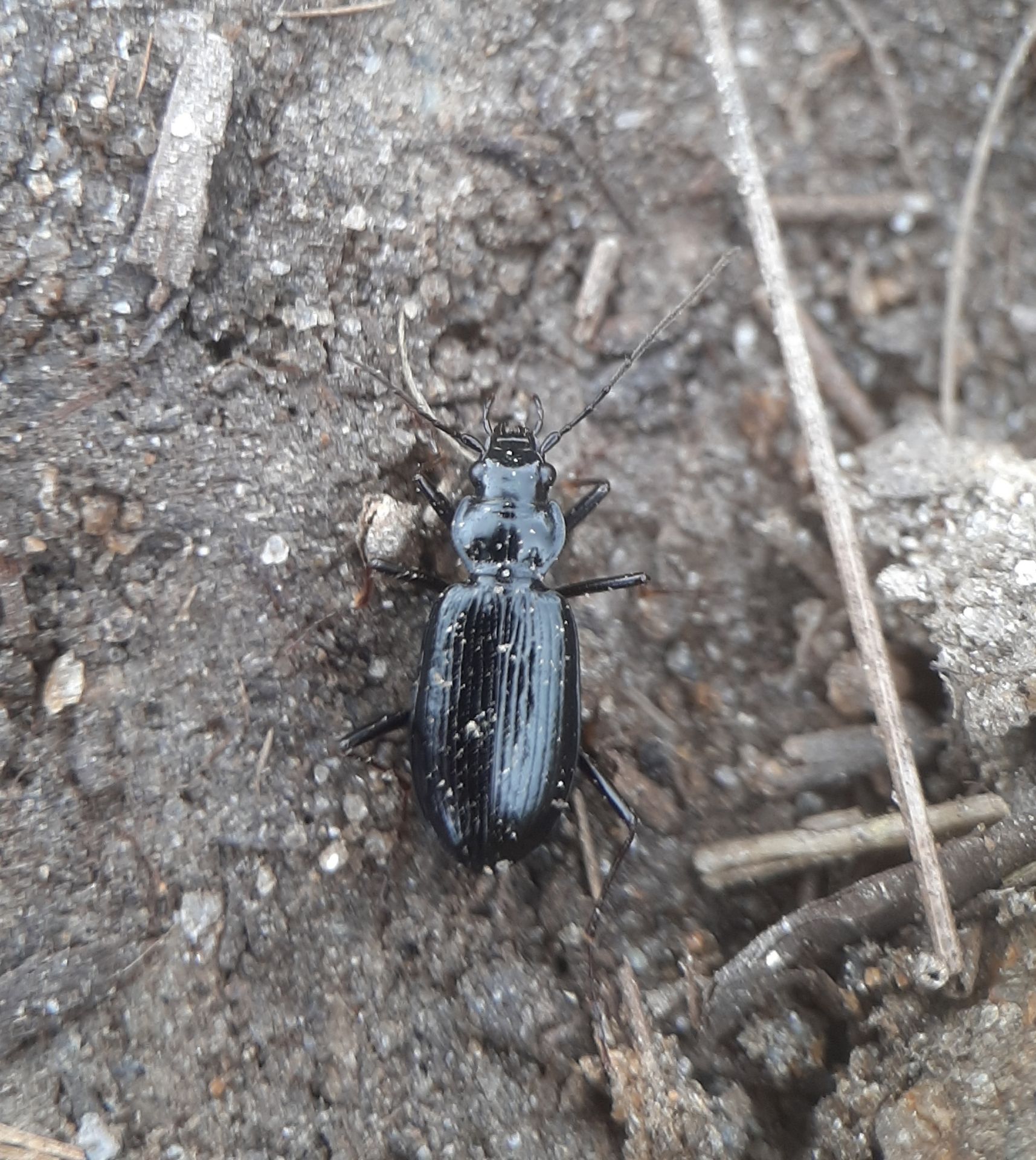
Nebria suturalis, commonly known as the seamed gazelle , is a flightless ground beetle in the Carabidae. The exhibits wing dimorphism with both forms incapable of . are strictly and . It is restricted to high-elevation , occurring on mountain tops across a disjunct range in northeastern North America and the Rocky Mountains.
Pronunciation
How to pronounce Nebria suturalis: /ˈnɛbɹiə suːˈtjuːɹælɪs/
These audio files are automatically generated. While they are not always 100% accurate, they are a good starting point.
Identification
Images
Habitat
Restricted to mountain tops; occurs exclusively in high-elevation alpine environments. Specific vegetation associations and substrate preferences are not documented.
Distribution
Disjunct distribution: northeastern North America (Alberta, Labrador, Ontario, Quebec) and the Rocky Mountains (Colorado, New Hampshire, New York, Vermont, Wyoming).
Diet
(). Specific prey items are not documented.
Behavior
Strictly . Flightless despite presence of wings in some individuals.
Ecological Role
in alpine ground beetle .
Similar Taxa
- Other Nebria speciesMost Nebria occur at lower elevations; N. suturalis is distinguished by its strict restriction to mountain summits.
- Other alpine CarabidaeFlightless condition is shared with many alpine carabids, but wing dimorphism with flightlessness in both forms is unusual and may aid identification.
More Details
Taxonomic note
Authorship has been cited as both LeConte, 1850 and Dalla Torre, 1877; GBIF and NCBI accept LeConte, 1850 as the valid authority. Catalogue of Life lists Dalla Torre, 1877 as a synonym.
Conservation implication
Restriction to mountain-top makes this potentially vulnerable to climate-driven elevational range shifts.