
Amara fulva
Letzner, 1852
Amara fulva is a ground beetle in the Carabidae native to Europe. A detailed study in the southwest forest zone of the East European Plain found that are active from June through October, with peak activity in August. The has a facultatively- lasting 254-328 days including the winter period. Larvae and adults exhibit spatial segregation in sites within floodplain .
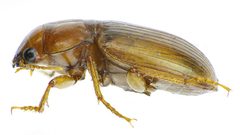
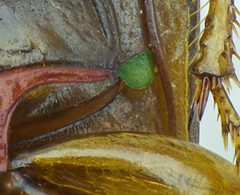
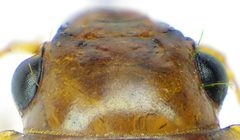
Pronunciation
How to pronounce Amara fulva: /əˈmɑːrə ˈfʊlvə/
These audio files are automatically generated. While they are not always 100% accurate, they are a good starting point.
Images
Habitat
Floodplain in the southwest forest zone of the East European Plain, including river edges and sandbars. Larvae overwinter in soil under Persicaria maculosa near river edges, while overwinter in areas far from water and rarely under tussock grasses on sandbars.
Distribution
Europe, specifically documented in the southwest forest zone of the East European Plain. Distribution records also indicate presence in Canada, former Yugoslavia, Armenia, Austria, Belarus.
Seasonality
active from first half of June to October, with peak activity in August. Oviposition occurs from mid-July to end of September. Larvae present from second half of August to October, with peak subsoil activity in first half of September. individuals overwinter after October.
Diet
Larvae cache seeds of Persicaria maculosa. diet not documented in available sources.
Host Associations
- Persicaria maculosa - larval food source; larvae cache seeds of this plant for
Life Cycle
Facultatively- with development taking 254-328 days including the winter period. active first half of June to October; individuals overwinter after October. Larvae present second half of August to October with peak subsoil activity first half of September. Oviposition period lasts 11 weeks from mid-July to end of September. Maximum mature in ovaries recorded second half of August. Postgenerative and newly emerged beetles present from June; immature and mature adults from second half of July; over 90% mature adults by end of August.
Behavior
Larvae cache seeds of Persicaria maculosa for . Larvae and exhibit spatial segregation in overwintering locations within floodplain : larvae under Persicaria maculosa near river edges, adults in areas far from water.
Sources and further reading
- BugGuide
- Wikipedia
- GBIF taxonomy match
- iNaturalist taxon
- NCBI Taxonomy
- Catalogue of Life
- Learning About Bees at the UC Davis Bee Haven | Bug Squad
- Study: More IPM Knowledge Could Help Leafy Amaranth Farmers in East Africa
- How Ants Do Battle: Toxic Sprays, Thick Armor, Overwhelming Numbers, and More
- Bug Eric: April 2015
- Seeding for Success - Buglife Blog - Buglife
- Quick Guide to Armyworms on Soybean | Beetles In The Bush
- Life history of Amara fulva (Coleoptera: Carabidae) in the southwest forest zone of the East European Plain