
Amara anthobia
Villa & Villa, 1833
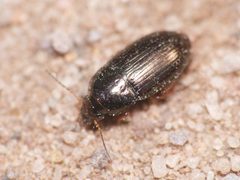
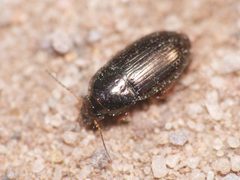
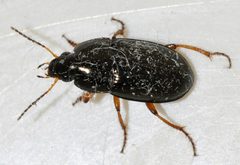
Amara anthobia is a of ground beetle in the Carabidae. It is characterized by black coloration and belongs to the large Amara, which contains numerous species distributed across multiple continents. The species was described by Villa and Villa in 1833. Like other members of its genus, it is likely a ground-dwelling with predatory or feeding habits, though specific ecological details remain poorly documented.
Pronunciation
How to pronounce Amara anthobia: //əˈmɛərə ænˈθoʊbiə//
These audio files are automatically generated. While they are not always 100% accurate, they are a good starting point.
Identification
The is identified by its black coloration within the Amara. Definitive identification requires examination of morphological characters such as elytral striation patterns, pronotal shape, and male genitalia, which distinguish it from other Amara species. No distinctive external markings are noted in available sources.
Images
Distribution
Recorded from the United States, Albania, Algeria, Armenia, and the former Yugoslavia. The disjunct distribution across North America and the Mediterranean/Caucasus region suggests either a wider historical range or possible misidentifications requiring verification.
Similar Taxa
- Other Amara speciesMany Amara share black or dark coloration and require detailed morphological examination for accurate identification.
Sources and further reading
- BugGuide
- Wikipedia
- GBIF taxonomy match
- iNaturalist taxon
- NCBI Taxonomy
- Learning About Bees at the UC Davis Bee Haven | Bug Squad
- Study: More IPM Knowledge Could Help Leafy Amaranth Farmers in East Africa
- Quick Guide to Armyworms on Soybean | Beetles In The Bush
- The Drugs (Neonicotinoids) Don’t Work 5 - Buglife Blog - Buglife
- Spooky eyes on the Stygian rainforest floor: Headlight beetles, fire beetles, Pyrophorus spp. — Bug of the Week
- Millet Production Is On the Rise, and So Are the Pests That Eat It