Cyclotrachelus seximpressus
(LeConte, 1846)
woodland ground beetle
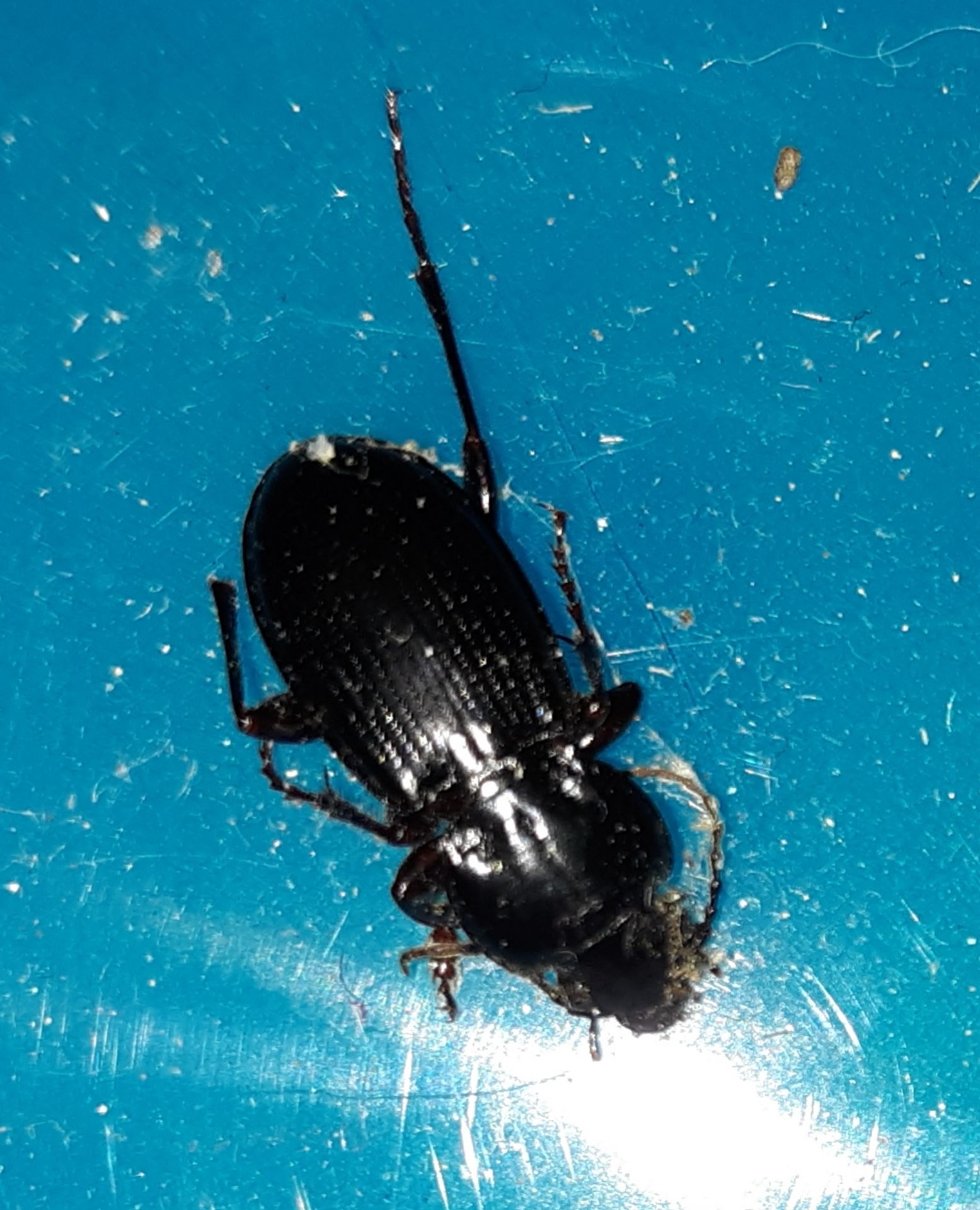
Cyclotrachelus seximpressus is a of ground beetle in the Carabidae. It is classified as a woodland ground beetle and occurs in North America. The species was described by LeConte in 1846. Like other members of the Cyclotrachelus, it is likely associated with forest floor .
Pronunciation
How to pronounce Cyclotrachelus seximpressus: /ˌsaɪkloʊˈtrækələs sɛksɪmˈprɛsəs/
These audio files are automatically generated. While they are not always 100% accurate, they are a good starting point.
Identification
Distinguished from other Cyclotrachelus by the presence of six impressed (depressed) or grooves on the , as suggested by the species epithet 'seximpressus' (meaning 'six-impressed'). Specific diagnostic characters require examination of detailed morphological features not available in the provided sources.
Images
Habitat
Woodland , as indicated by its 'woodland ground beetle'. Ground beetles in this are generally associated with forest floor litter and soil environments.
Distribution
North America; specifically recorded from the United States based on distribution records.
Behavior
As a ground beetle, likely and predatory, though specific behavioral observations for this are not documented in the provided sources.
Ecological Role
Likely functions as a in forest floor , as is common for carabid beetles, though specific ecological studies for this are not cited.
Similar Taxa
- Cyclotrachelus herosCongeneric with similar woodland ground beetle ; distinguished by specific elyral striation patterns and body proportions.
- Cyclotrachelus constrictusAnother congeneric found in similar North American woodland ; requires detailed examination of elyral for separation.
- Cyclotrachelus substriatusCongeneric potentially overlapping in distribution; elyral striation patterns differ in number and depth of impressions.
More Details
Nomenclatural note
Authority cited as LeConte, 1846 in GBIF and iNaturalist, though NCBI lists LeConte, 1848. This minor discrepancy in year of publication may reflect different interpretations of publication date.
Collection interest
The appears on wish lists of North American collectors, suggesting it is sought after but may not be frequently encountered or is regionally distributed.