
Panagaeini
Bonelli, 1810
Hairy Ground Beetles
Genus Guides
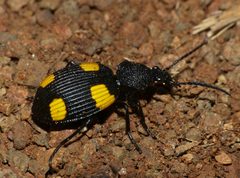
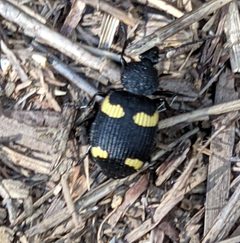
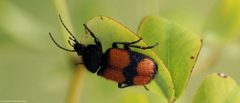
2Panagaeini is a tribe of ground beetles in the Carabidae, commonly known as hairy ground beetles. The tribe comprises more than 20 and approximately 300 described . Members are terrestrial found across multiple continents. The tribe was established by Bonelli in 1810 and is classified within the Panagaeinae.
Pronunciation
How to pronounce Panagaeini: //ˌpænəˈdʒaɪɪnaɪ//
These audio files are automatically generated. While they are not always 100% accurate, they are a good starting point.
Identification
Members of Panagaeini can be distinguished from other carabid tribes by a combination of morphological features associated with the Panagaeinae. The "hairy ground beetles" suggests the presence of conspicuous setae on the body, though this trait varies among . Accurate identification to tribe level requires examination of genitalic and other structural characters used in carabid .
Images
Habitat
Terrestrial including forest floors, open ground, and other ground-level environments typical of ground beetles.
Distribution
Widespread across multiple continents including North America, South America, Africa, Europe, and Asia. Individual have more restricted ranges.
Similar Taxa
- Other Carabidae tribesDistinguished by morphological characters of the Panagaeinae, including specific arrangements of setae and structural features of the genitalia.
More Details
Taxonomic Note
Sources differ on the number of and : Wikipedia reports more than 20 genera and 300 described species, while iNaturalist lists at least 3 genera and about 10 described species. This discrepancy likely reflects ongoing taxonomic revisions and varying classification schemes.