
Stenolophus ochropezus
Say, 1823
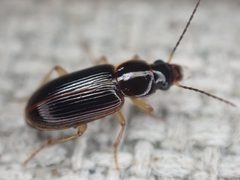
Stenolophus ochropezus is a small ground beetle in the Carabidae, first described by Thomas Say in 1823. It is one of numerous in the Stenolophus, a group commonly known as seedcorn beetles due to their association with agricultural fields and seed . The species is documented across North America with substantial observational records.


Pronunciation
How to pronounce Stenolophus ochropezus: //stɛˈnɒləfəs ɒkˈrɒpəzəs//
These audio files are automatically generated. While they are not always 100% accurate, they are a good starting point.
Identification
Stenolophus ochropezus can be distinguished from other ground beetles by its small size and the characteristic of the Stenolophus, which typically features slender bodies, thread-like , and relatively long legs adapted for rapid movement. Within the genus, -level identification requires examination of male genitalia and detailed comparison of elytral microsculpture and coloration patterns. It may be confused with other Stenolophus species, particularly S. lecontei and S. lineola, which share similar and body proportions.
Images
Habitat
Found in open, disturbed including agricultural fields, meadows, and grasslands. Frequently associated with corn and other row crops, where it occurs in soil and surface litter.
Distribution
Recorded across North America, with documented presence in the United States and Canada. GBIF distribution records confirm presence in both countries.
Seasonality
have been observed active in early spring, with records from March in temperate regions. Activity likely extends through the growing season in agricultural .
Human Relevance
Member of a containing known as seedcorn beetles, some of which are recognized as minor agricultural pests feeding on germinating seeds. The specific economic impact of S. ochropezus has not been separately quantified.
Similar Taxa
- Stenolophus leconteiOverlapping distribution and similar body size; requires genitalia examination for reliable separation
- Stenolophus lineolaShares agricultural preferences and general ; distinguished by subtle differences in elytral striation and coloration
More Details
Taxonomic History
Described by Thomas Say in 1823, one of the earliest American entomologists. The specific epithet 'ochropezus' derives from Greek roots referring to yellowish ('ochro-') and foot ('pezus'), likely alluding to leg coloration.
Observation Frequency
iNaturalist records indicate this is among the more frequently observed Stenolophus , with nearly 5,000 observations contributing to its documented distribution.