
Stenolophus dissimilis
Dejean, 1829
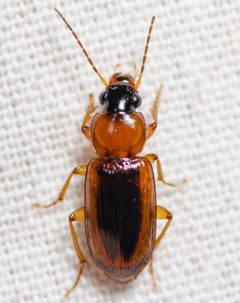
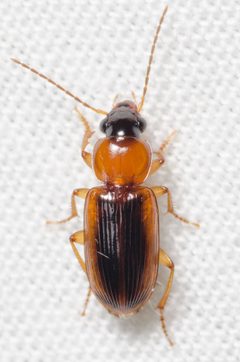
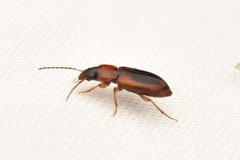
Stenolophus dissimilis is a of ground beetle in the Carabidae, first described by Dejean in 1829. It is part of the Stenolophus, a diverse group of small to medium-sized carabid beetles commonly known as seedcorn beetles. The species is documented from North America, particularly the United States. Like other members of its genus, it is likely associated with agricultural and open , though specific ecological details remain poorly documented.
Pronunciation
How to pronounce Stenolophus dissimilis: /stɛnˈɒləfəs dɪˈsɪmɪlɪs/
These audio files are automatically generated. While they are not always 100% accurate, they are a good starting point.
Identification
Members of the Stenolophus can be distinguished from other ground beetles by their small to medium size (typically 4-8 mm), , and characteristic pronotal shape. Stenolophus dissimilis specifically can be separated from by subtle differences in elytral microsculpture, pronotal margins, and male genitalia. The name "dissimilis" (Latin for "unlike" or "different") suggests historical recognition of its distinctness from related . Accurate identification to species level typically requires examination of dissected male genitalia and comparison with .
Images
Habitat
Based on -level patterns and collection records, Stenolophus dissimilis occurs in open, disturbed including agricultural fields, grasslands, and early successional areas. Members of this genus are frequently found in association with soil surface and ground cover, particularly in areas with herbaceous vegetation.
Distribution
North America, with documented occurrence in the United States. GBIF records confirm presence in the USA with status PRESENT.
Human Relevance
Members of the Stenolophus, including closely related to S. dissimilis, are occasionally referred to as "seedcorn beetles" due to their association with corn and other agricultural crops. Some are known minor agricultural pests, though specific economic impact of S. dissimilis has not been separately documented.
Similar Taxa
- Stenolophus leconteiSimilar size and preferences; distinguished by differences in pronotal shape and male genitalia structure
- Stenolophus rotundicollisOverlapping distribution in North America; separated by elytral striation patterns and body proportions
- Stenolophus ochropezusSympatric with similar ground-dwelling habits; requires genitalic examination for definitive separation
More Details
Taxonomic stability
The has maintained consistent recognition since its original description in 1829, with no documented synonymy or controversial taxonomic revisions in recent literature.
Data availability
Despite being a relatively well-collected with over 1,300 iNaturalist observations, detailed natural history information specific to S. dissimilis remains sparse in the primary literature, with most ecological knowledge inferred from -level studies.