Selenophorus fatuus
(LeConte, 1863)
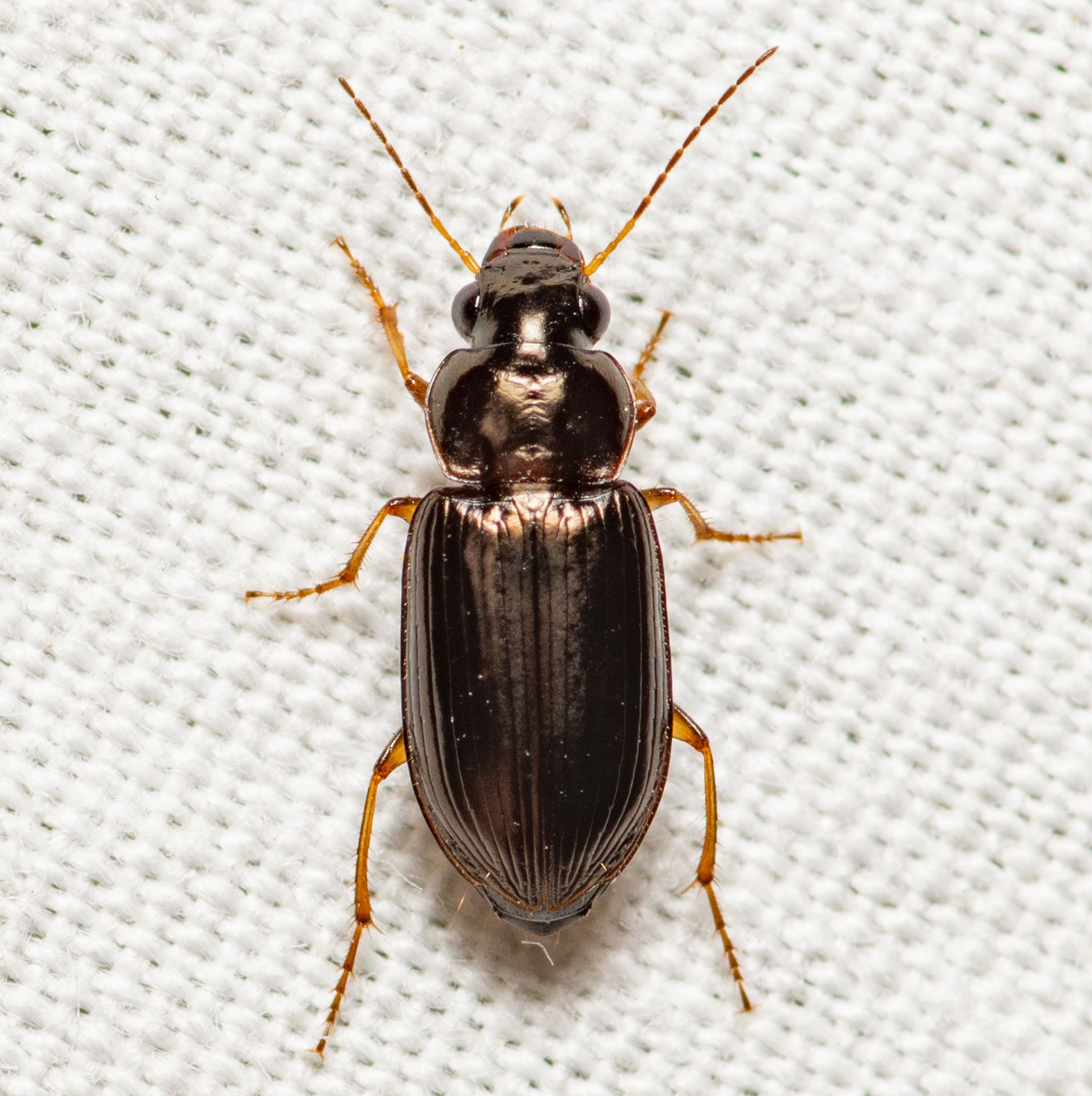
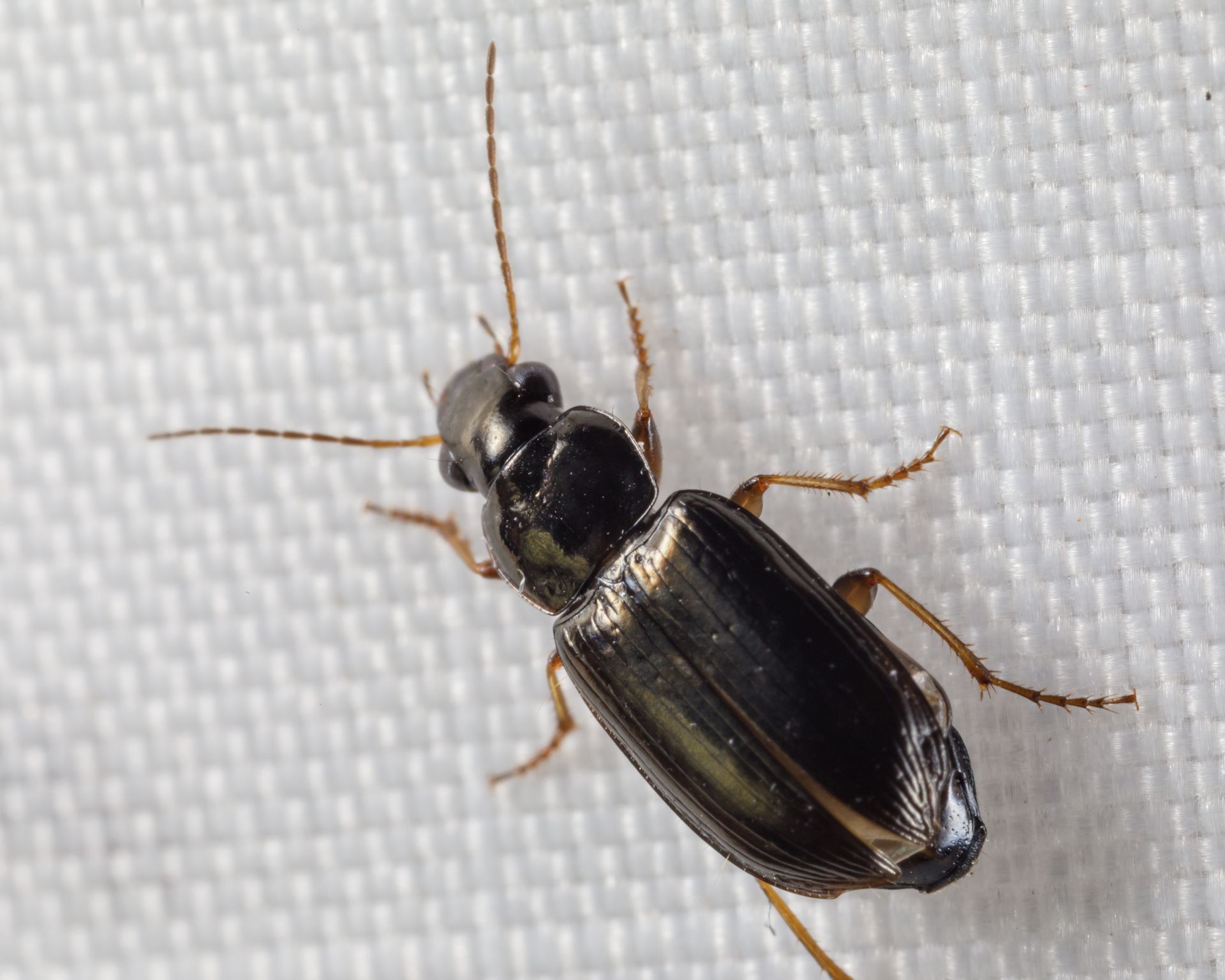
Selenophorus fatuus is a in the , first described by LeConte in 1863 under the basionym Harpalus fatuus. It belongs to the Selenophorus, a group of small to -sized . The is known from North America, with records from the United States. Like other members of its genus, it is likely a ground-dwelling .
Pronunciation
How to pronounce Selenophorus fatuus: //sɛlɛˈnɒfərəs ˈfætʊəs//
These audio files are automatically generated. While they are not always 100% accurate, they are a good starting point.
Identification
Members of Selenophorus can be recognized by their convex, oval body shape and the distinctive structure of the male . S. fatuus would require comparison with such as S. pedicularius and S. opaculus for positive identification. The is characterized by and a with distinct angles.
Images
Distribution
United States; North America. Specific state-level records are not detailed in available sources.
Similar Taxa
- Selenophorus pediculariusOverlapping distribution in North America and similar size and coloration; requires examination of male for separation.
- Selenophorus opaculusAnother North with similar ; subtle differences in elyral microsculpture and distinguish the .
More Details
Taxonomic history
Originally described as Harpalus fatuus by John Lawrence LeConte in 1863, this was later transferred to the Selenophorus. The basionym Harpalus fatuus is now considered a synonym.
Observation data
The has 187 observations on iNaturalist, indicating it is encountered with moderate frequency by naturalists, though detailed biological studies appear limited.