
Harpalus innocuus
LeConte, 1863
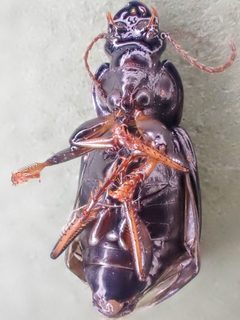
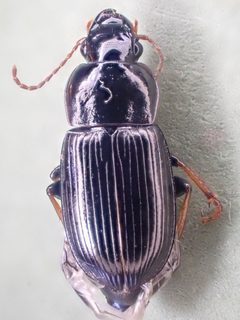
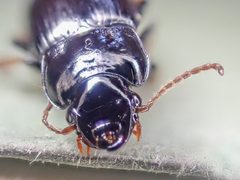
Harpalus innocuus is a of ground beetle in the Carabidae, Harpalinae. It was described by John Lawrence LeConte in 1863. The species belongs to the large Harpalus, which contains numerous ground beetle species distributed across North America and other regions. Like other members of its genus, it is a ground-dwelling predatory .
Pronunciation
How to pronounce Harpalus innocuus: /ˈhɑːrpələs ɪˈnɒkjuəs/
These audio files are automatically generated. While they are not always 100% accurate, they are a good starting point.
Identification
Harpalus innocuus can be distinguished from other Harpalus through examination of male genitalia and subtle external morphological characters. The species name "innocuus" (harmless/innocuous) may reflect its relatively unremarkable appearance compared to some . Accurate identification requires reference to original description or specialized taxonomic keys for North American Harpalus.
Images
Appearance
As a member of the Harpalus, H. innocuus is a ground beetle with the typical elongated, somewhat flattened body form characteristic of the Carabidae. Specific morphological details distinguishing it from are not well documented in available sources. Members of Harpalus typically possess (thread-like) and well-developed legs adapted for running.
Habitat
Ground-dwelling; typical for Harpalus includes open ground, agricultural fields, grasslands, and disturbed areas. Specific microhabitat preferences for H. innocuus are not well documented.
Distribution
Recorded from Alaska, Canada, and the United States (North America). The GBIF match indicates presence in Alaska specifically.
Seasonality
Activity patterns not specifically documented for this . Most ground beetles in temperate regions are active during warmer months, with some species showing autumn activity patterns.
Behavior
As a ground beetle, likely or . Specific not documented in available sources.
Ecological Role
Predatory ground beetle; contributes to natural pest control in terrestrial . Like other Carabidae, likely feeds on various small including insect larvae, seeds, and other ground-dwelling organisms.
Human Relevance
Ground beetles in the Harpalus, including H. pensylvanicus and related , are recognized as beneficial insects in agricultural systems. While specific studies on H. innocuus are lacking, it likely provides similar services as a .
Similar Taxa
- Harpalus pensylvanicusCommon North American ground beetle in same , similar general appearance and preferences
- Other Harpalus speciesNumerous share similar ground beetle ; identification requires careful examination of diagnostic characters
More Details
Taxonomic Note
The was described by John Lawrence LeConte in 1863, one of the most prolific American coleopterists of the 19th century. LeConte described hundreds of species, particularly from North America.
Data Availability
This appears to be relatively poorly represented in biological databases, with only 12 observations recorded in iNaturalist as of the source date. This suggests it may be genuinely uncommon, under-collected, or difficult to identify.
Sources and further reading
- BugGuide
- Wikipedia
- GBIF taxonomy match
- iNaturalist taxon
- Beneficial Beetle Diversity Blooms on Strip-Tilled Farms
- T.G.I.Flyday—Black horse fly (Tabanus atratus) | Beetles In The Bush
- November | 2012 | Beetles In The Bush | Page 2
- conservation | Beetles In The Bush
- Carabidae | Beetles In The Bush
- Bug of the Week