
Anisodactylus carbonarius
(Say, 1823)
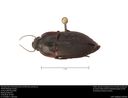
Anisodactylus carbonarius is a ground beetle in the Carabidae, native to North America. It is a granivorous that feeds on weed seeds, contributing to natural weed suppression in agricultural and garden settings. The species has been documented across Canada and the United States. Like other members of its , it plays a role in services through seed .
Pronunciation
How to pronounce Anisodactylus carbonarius: /ˌænɪsoʊˈdæktɪləs ˌkɑːrbəˈnɛəriəs/
These audio files are automatically generated. While they are not always 100% accurate, they are a good starting point.
Images
Habitat
Found in agricultural fields, lawns, and gardens where weed seeds are abundant. Inhabits ground-level environments typical of granivorous ground beetles.
Distribution
Canada; United States (North America). Present across much of North America with documented records in both countries.
Diet
Granivorous; feeds on seeds of agricultural, lawn, and garden weeds. Documented prey includes seeds of lambsquarter, pigweed, foxtail, crabgrass, and velvetleaf.
Behavior
Seed that contributes to weed control through . Active as both and larval stages in consuming weed seeds.
Ecological Role
agent for weeds; reduces of agricultural and garden weeds through seed . Part of the granivorous ground beetle guild that provides services in managed landscapes.
Human Relevance
Beneficial insect in agriculture and horticulture; aids in natural weed suppression without chemical intervention. Enhances sustainability of gardens and agricultural systems by reducing weed seed banks.
Similar Taxa
- Anisodactylus sanctaecrucisBoth are granivorous ground beetles in the same with similar ecological roles in weed seed across North America.
- Harpalus pensylvanicusAnother common granivorous ground beetle with overlapping distribution and similar weed seed diet; both provide comparable services in agricultural settings.
More Details
Taxonomic Note
Originally described as Feronia carbonaria by Say in 1823 before transfer to Anisodactylus.