
Blatta
Linnaeus, 1758
Species Guides
1- Blatta orientalis(Oriental Cockroach)
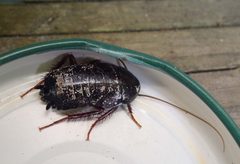
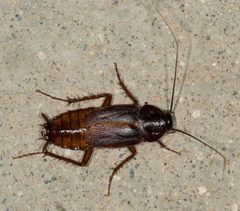
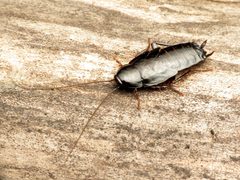
Blatta is a of in the Blattidae. The genus name derives from Latin, meaning a light-shunning insect. The genus includes notable pest such as Blatta orientalis (Oriental cockroach), a widespread species associated with human dwellings. Males of Blatta species exhibit distinctive courtship including raising wings to expose tergal glands, which females feed upon during mating.
Pronunciation
How to pronounce Blatta: /ˈblæ.tə/
These audio files are automatically generated. While they are not always 100% accurate, they are a good starting point.
Identification
Blatta can be distinguished from similar by their relatively large size, oval body shape, and reduced or absent wings in females. Blatta orientalis females are wingless or have very short wing pads, while males have wings that cover most of the but do not extend beyond the tip. The pronotum is dark and lacks the pale margins seen in some related genera.
Images
Habitat
in this occupy diverse . Blatta orientalis prefers dark, damp environments such as basements, crawl spaces, and sewer systems. It thrives in cool, moist conditions and is often found near water pipes, in garbage chutes, and in electrical conduits between buildings.
Distribution
Blatta orientalis is , having spread worldwide through human commerce. It is well established in cities throughout North America, Europe, and Asia. The has a broader native distribution in the Old World, with fossil evidence indicating long evolutionary history in Eurasia.
Diet
Blatta orientalis feeds on starchy foods including cereals, pet food, sweets, and decaying organic matter. It has been observed consuming book bindings, paper goods, leather, and beer.
Life Cycle
Females produce () containing multiple . Unlike some , Blatta orientalis females carry the ootheca for only a few days before depositing it on the ground near food sources. Development proceeds through egg, nymph, and stages.
Behavior
Males exhibit involving raising wings to expose tergal glands; females orient toward males and feed on gland secretions. This wing-raising serves as a -isolating mechanism. Blatta orientalis is primarily and avoids light, consistent with the etymology of its name.
Ecological Role
As , Blatta contribute to decomposition of organic matter. Blatta orientalis serves as for parasitic including Evania appendigaster, which parasitizes its .
Human Relevance
Blatta orientalis is a significant household pest, particularly in multi-unit dwellings. It can move between buildings through sewer lines and utility conduits. The has been implicated in spreading including Salmonella, and its proteins are known to cause allergic reactions in humans, particularly affecting asthmatics. The is also used as food for captive insectivorous pets and research animals.
Similar Taxa
- PeriplanetaBoth are large, dark , but Periplaneta (American, Australian cockroaches) have fully developed wings in both sexes and prefer warmer, drier conditions than Blatta orientalis.
- BlattellaBlattella germanica (German cockroach) is smaller, lighter in color, and has fully winged females that carry until hatching, unlike Blatta orientalis.
More Details
Etymology
The name Blatta represents a specialized use of Latin blatta, meaning an insect that shuns light.
Sources and further reading
- BugGuide
- Wikipedia
- iNaturalist taxon
- NCBI Taxonomy
- Catalogue of Life
- A New Cockroach in Town? | Bug Squad
- Meet 'Mantis Master Keeper' Andrew Pfeifer | Bug Squad
- Turn on the light, a cockroach delight. Oriental Cockroach Blatta orientalis and German cockroach Blattella germanica — Bug of the Week
- After a 49-million-year Hiatus, a Cockroach Reappears in North America
- Bug Eric: Wasp Wednesday: Evaniidae
- ID Challenge #18 | Beetles In The Bush
- Sexual Behavior in the Cockroach Genera Periplaneta and Blatta
- Sexual Behavior in the Cockroach Genera Periplaneta and Blatta