Parcoblatta divisa
(Saussure & Zehntner, 1893)
Southern Wood Cockroach
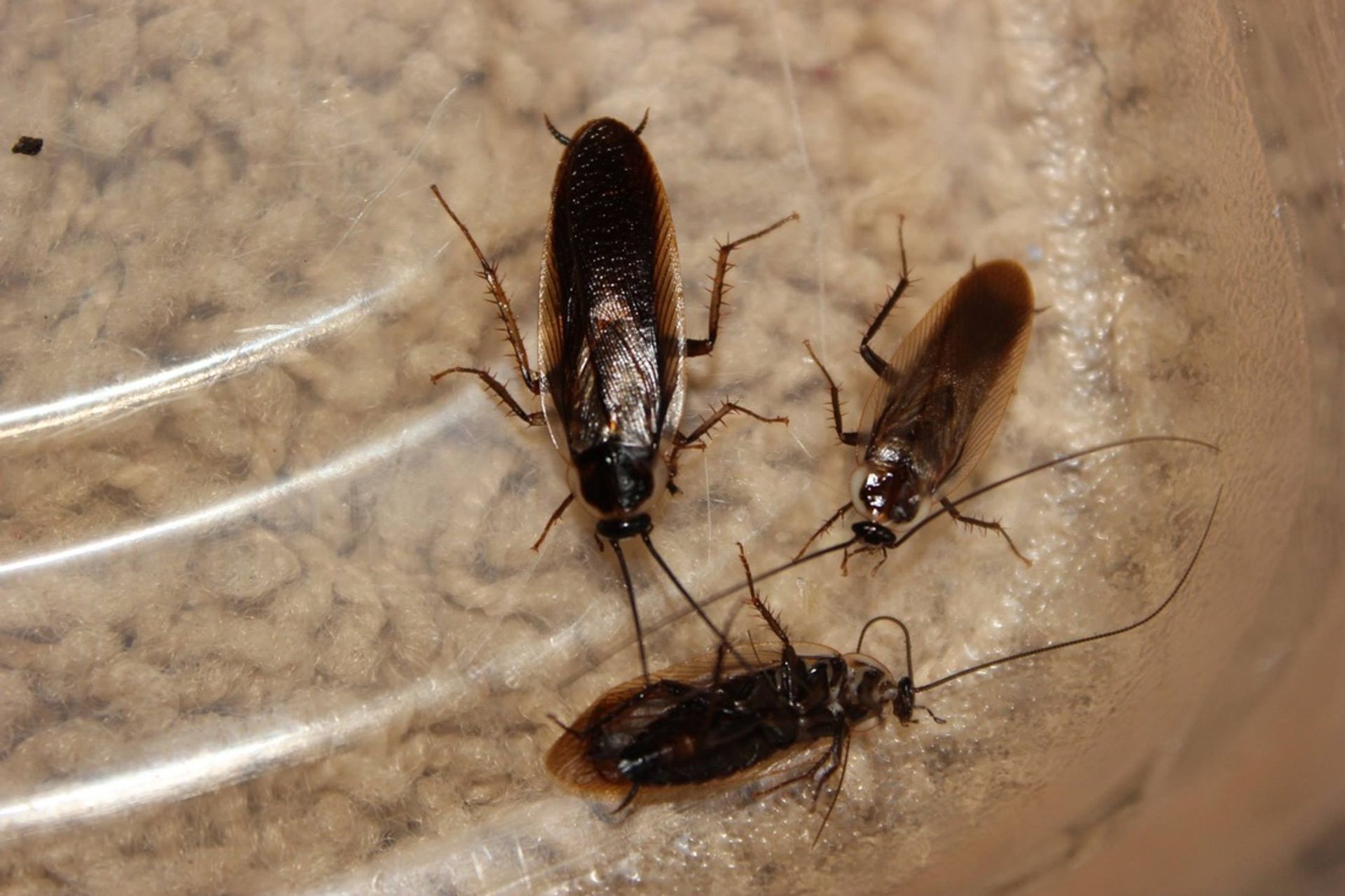
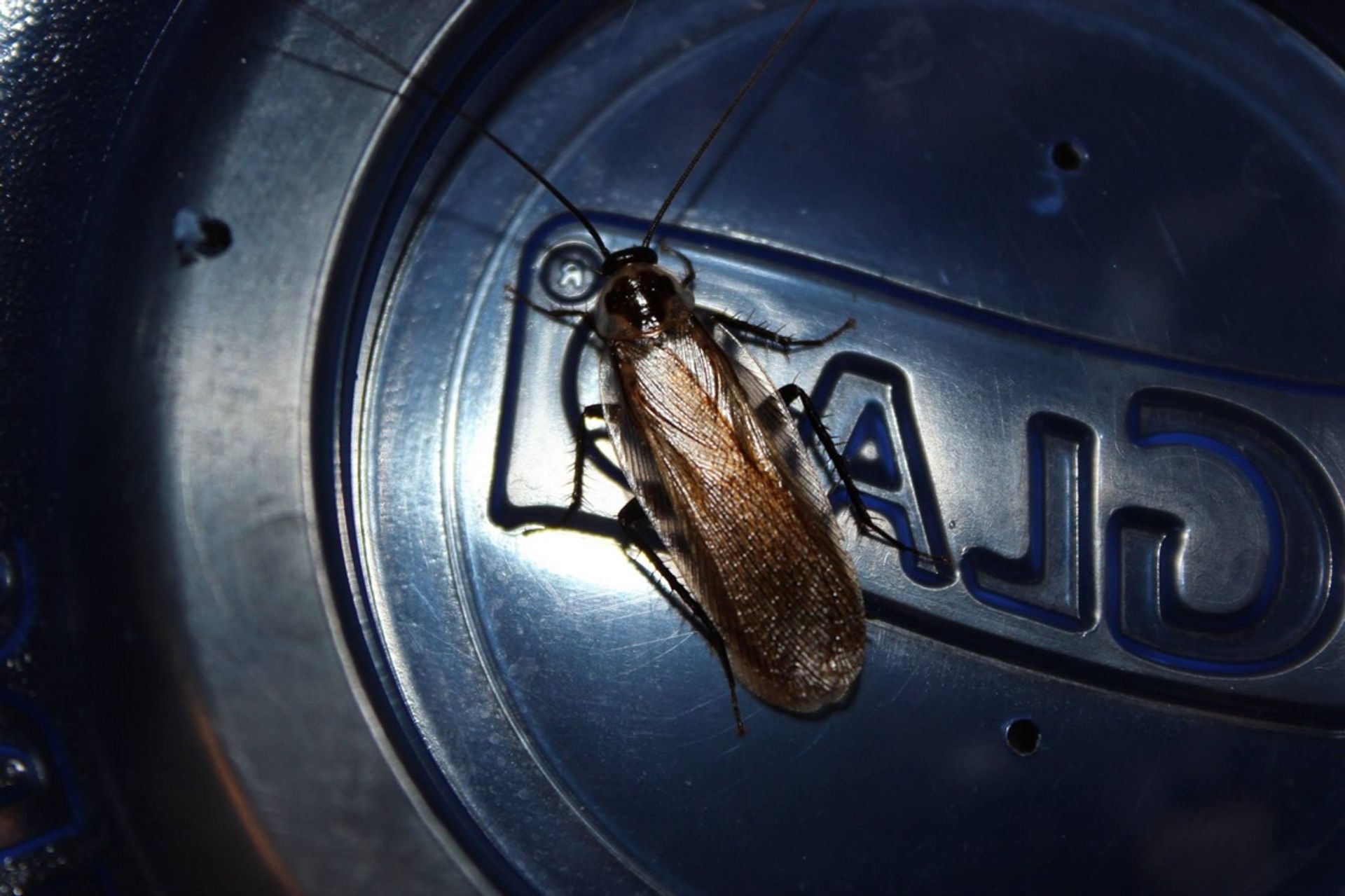
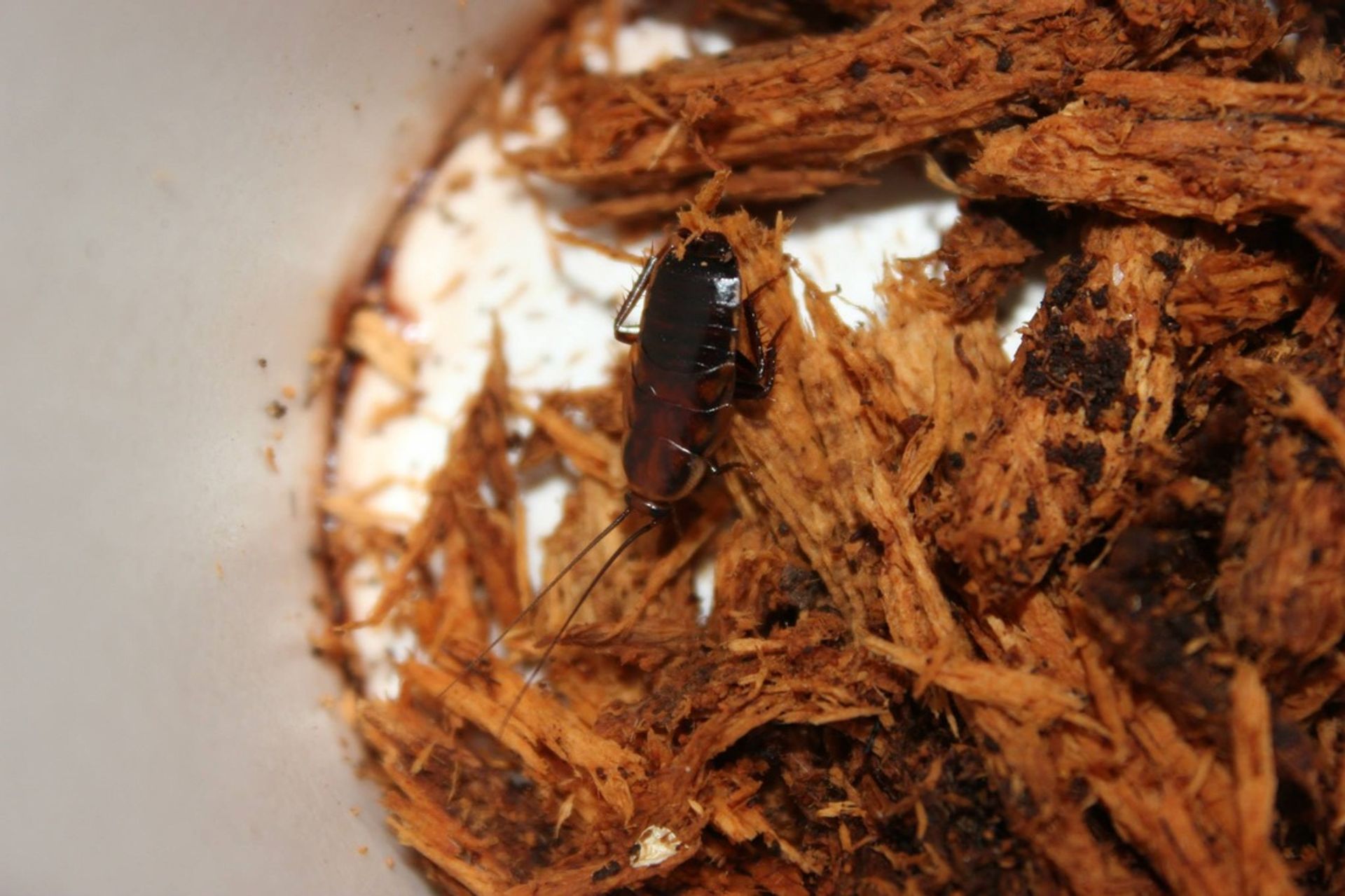
Parcoblatta divisa, the southern wood , is a native North American found in diverse woodland across the eastern and southeastern United States. Previously treated as a of P. pensylvanica, it was elevated to species status based on male genitalic differences. The species exhibits unusual color , with a pale morph restricted to Alachua County, Florida. It is considered the most adaptable member of its , occasionally entering homes near wooded areas.
Pronunciation
How to pronounce Parcoblatta divisa: /pɑːrkəˈblætə dɪˈvaɪzə/
These audio files are automatically generated. While they are not always 100% accurate, they are a good starting point.
Identification
Distinguished from by male genitalic characters: the seventh abdominal segment largely conceals the eighth, combined with on the segment. Separated from P. pensylvanica by less pronounced segment concealment. The pale Florida morph is geographically isolated and occurs without dark individuals at that location. Specimens have been collected from under tree-mounted signs and in molasses-baited traps.
Images
Appearance
Typically dark in coloration, though a pale morph exists exclusively in Alachua County, Florida. Males share with P. pensylvanica a diagnostic character: the seventh abdominal segment conceals nearly all of the eighth segment, a trait more pronounced in P. pensylvanica. Both possess on the segment. One documented female specimen shows exceptionally developed wings.
Habitat
Occupies diverse including dry pine lands, oak scrub, moist hammocks in northern Florida, and cool ravines along Florida's Apalachicola River. Found under signs attached to trees (red and white oaks, shortleaf and longleaf pines, American sweet gum, and other deciduous trees). Collected from woodland borders, pasture grasses, grass under backyard trees, beneath dried cow , under trash and debris at woodland campsites, and occasionally from homes in wooded areas.
Distribution
Eastern and southeastern United States: Alabama, Arkansas, Delaware, Florida, Georgia, Kansas, Louisiana, Maryland, Mississippi, New Jersey, North Carolina, Oklahoma, Pennsylvania, Tennessee, Texas, Virginia, and Wisconsin.
Behavior
habits inferred from blacklight trapping success. have been trapped among logs and undergrowth on woodland borders. Occasionally invades homes in wooded areas.
Ecological Role
Prey for including Ampulex canaliculata, which uses wood cockroaches in the Parcoblatta as favored . The wasp stings the in a thoracic nerve center, inducing paralysis and transport cooperation to a caching cavity where an is laid.
Human Relevance
Occasionally reported as a household invader in homes located in wooded areas. Collected extensively for scientific study using molasses-baited jars and other trapping methods. Subject of taxonomic revision elevating it from to status.
Similar Taxa
- Parcoblatta pensylvanicaFormerly treated as (P. pensylvanica divisa); separated by less pronounced concealment of the eighth abdominal segment by the seventh in males, though both share the diagnostic segment concealment trait and segment
More Details
Taxonomic History
Originally described as a of Parcoblatta pensylvanica (as P. pensylvanica divisa) based on morphological similarities. Elevated to full status following recognition of consistent differences in male genitalic characters.
Color Polymorphism
A pale morph is uniquely documented from Alachua County, Florida, where hundreds of specimens were collected with no dark individuals present. This represents an unusual case of geographic monomorphism in an otherwise polymorphic .
Collecting Methods
Specimens documented from molasses-baited jars, under signs attached to trees, pitfall-equivalent situations among logs and undergrowth, and blacklight attraction.