
Attaphila
Wheeler, 1900
Species Guides
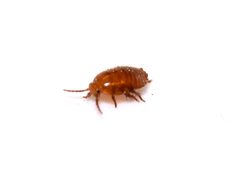
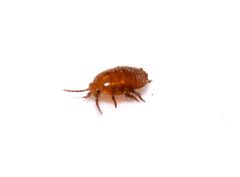
1- Attaphila fungicola(ant cockroach)
Attaphila is a of minute myrmecophilous that inhabit the fungus gardens of . The genus comprises nine described , divided into two -specific groups: the bergi-group associated with Acromyrmex ants, and the fungicola-group associated with Atta ants. These cockroaches possess unique morphological adaptations for life within colonies, including specialized antennal structures and modified leg .
Pronunciation
How to pronounce Attaphila: /ˌætəˈfaɪlə/
These audio files are automatically generated. While they are not always 100% accurate, they are a good starting point.
Identification
Distinguished from other by the unique combination of: (1) inserted at bottom of wide funnel-shaped deepening; (2) rectangular bending capability between scapus and pedicellus; (3) groove on allowing tight leg flexion; and (4) highly modified male and female genital structures. determination requires examination of male genitalia and antennal characteristics; two species-groups recognized based on association and .
Images
Appearance
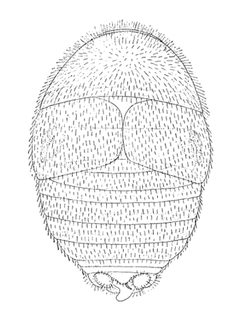
Minute with highly specialized . inserted at the bottom of a wide, funnel-shaped deepening on the . Antenna capable of rectangular bending between scapus and pedicellus, associated with a excavation of the scapus. Antennae composed of an unusually low number of antennomeres. of legs possess a groove allowing close spacing with tibia during strong flexion. Females are wingless; males have reduced wings.
Habitat
Strictly confined to the fungus gardens (mushroom gardens) of nests. Occurs within the subterranean or arboreal nest chambers where the ants cultivate mutualistic fungi on harvested plant material.
Distribution
Neotropical region. Documented from Argentina (northeast, south, northwest), Belize, and southern Brazil. Distribution closely follows that of Acromyrmex and Atta.
Diet
Has been suggested to feed on the fungus cultivated by ants, or on the cuticular lipids of . Direct feeding observations are limited.
Host Associations
- Acromyrmex - bergi-group
- Atta - fungicola-group
- Amoimyrmex - possible possibly associated with bergi-group
Behavior
Myrmecophilous, living permanently within colonies without being attacked by . Chemical mimicry of host ant colony odor enables integration into the colony. Phoretic : individuals ride on virgin host queens (female ) during mating to colonize new nests. Additional dispersal via hitchhiking on leaves carried by foraging workers, or by following leaf-cutter ant trails.
Ecological Role
within fungus gardens; exact ecological impact on colonies remains poorly quantified.
Similar Taxa
- Other BlattellidaeAttaphila distinguished by unique antennal insertion structure, rectangular antennal bending capability, and highly modified genital not found in related .
More Details
Species diversity
Nine recognized: six originally described (A. aptera, A. bergi, A. flava, A. fungicola, A. schuppi, A. sexdentis) and three described in 2021 (A. multisetosa, A. paucisetosa, A. sinuosocarinata).
Host specificity patterns
The bergi-group appears and is associated with Acromyrmex ants; the fungicola-group is monophyletic and associated with Atta ants. This pattern suggests independent origins or evolutionary transitions between lineages.